
Anthropic, the artificial-intelligence company, said Sunday that it plans to contribute 5% of its equity to a philanthropic fund—a pledge that initially appears extraordinarily generous.
The proposal has also drawn scrutiny because the fund would be overseen by Anthropic’s leadership and focused on causes associated with the Effective Altruism movement. Those priorities can be highly specific, including efforts to promote more humane practices in industries such as shrimp farming.
Just hours later, Elon Musk outlined a markedly different vision: giving American children a direct ownership stake in SpaceX. “Next year, I will give one of my SpaceX shares to every kid in America,” he wrote on X.
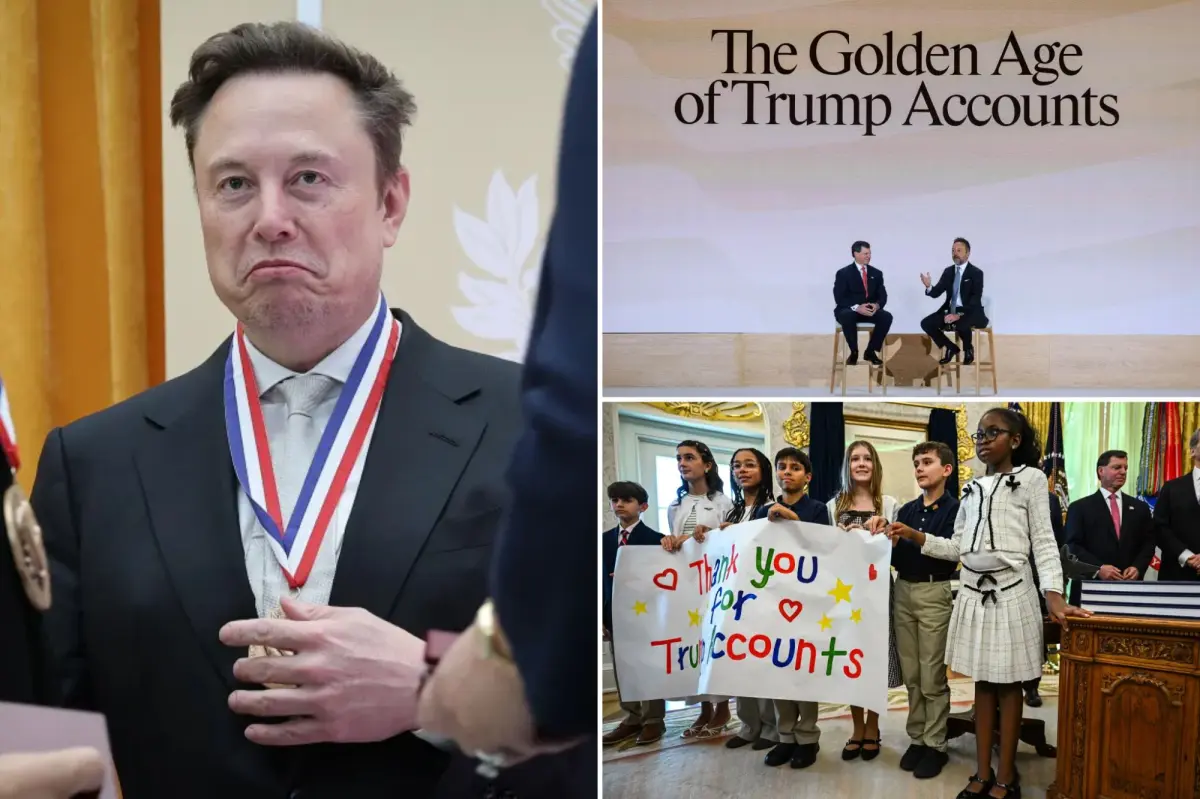
Based on SpaceX’s current estimated valuation, the proposed distribution could be worth almost $11 billion. Sources said the shares would be delivered through Trump Accounts.
The competing ideas reflect a larger debate in Silicon Valley: Should the vast wealth generated by technology companies be directed toward priorities selected by their executives, or should it be used to help ordinary Americans build assets and participate in future growth?
For an industry that frequently warns artificial intelligence could displace workers and reshape careers, giving people a financial interest in the economy being transformed may offer a more tangible response.
Brad Gerstner, founder, chairman and CEO of Altimeter Capital and a key architect of Trump Accounts, described Musk’s pledge as “the tip of the iceberg.” He said the accounts could eventually attract far more charitable funding and reach millions more Americans.
Gerstner estimates that private contributions to Trump Accounts could approach $100 billion by the end of 2027, especially if additional technology and business leaders follow donors such as Susan and Michael Dell, Ray Dalio and Gwynne Shotwell.
The potentially bigger change, however, could involve expanding the group of people eligible to participate.
At present, Trump Accounts are available only to Americans younger than 18. Contributions are invested in the stock market, allowing them to grow over time. Once an account holder turns 18, the funds can be used for purposes including college tuition, a first home, launching a business or continued investment.
Gerstner said he is working on legislation that would broaden eligibility to people under 40, with a proposal potentially arriving within months. Under the plan, account funds could support retirement, education or entrepreneurship, while lawmakers would also consider making the program a permanent source of investment funding.
The proposal comes as many Americans worry about AI’s effect on employment and express growing frustration with the economic system. Supporters argue that expanding access to investment could help people prepare for the future without relying solely on traditional welfare programs.
“Welfare checks do not compound, but ownership compounds,” Gerstner said. In his view, building assets offers a path to greater independence rather than increasing reliance on government assistance.
“It sucks to not even know how to get in the game,” Gerstner added. But investment accounts, he argued, could put substantial long-term wealth within reach and give every child a direct connection to the broader economy.
That model stands in contrast to Anthropic’s plan, which is expected to involve nonprofit grants and potentially direct payments. The company has not yet detailed how the money would be divided, who would qualify or how those decisions would be made, leaving Anthropic in control of the process.
Critics argue that approach risks reinforcing a large philanthropic sector whose effectiveness and administrative costs are frequently questioned. They contend that some nonprofit organizations spend substantial sums on executives, advisers and consultants while pursuing social goals whose results can be difficult to measure.
There is also an important practical issue: Any company seeking to distribute stock directly to children or young adults would likely need to use an infrastructure similar to Musk’s proposed system.
Trump Accounts currently represent the only established framework for transferring stock ownership to young Americans. Yet some companies may hesitate to support an initiative carrying former President Donald Trump’s name, particularly with a contentious midterm election approaching.
The arrangement also raises legitimate questions about potential conflicts of interest. Could government officials be less inclined to challenge a merger involving a company that has donated billions to Trump Accounts, or could major contributors receive preferential treatment in other ways?
Still, supporters say the political branding does not change the underlying principle: giving Americans a stake in economic growth—and a sense of ownership in the country’s future—could be an important first step toward helping them share in the American dream.