
Share this @internewscast.com
For the first time since the Apollo program concluded in 1972, Mission Control has executed a translunar injection.
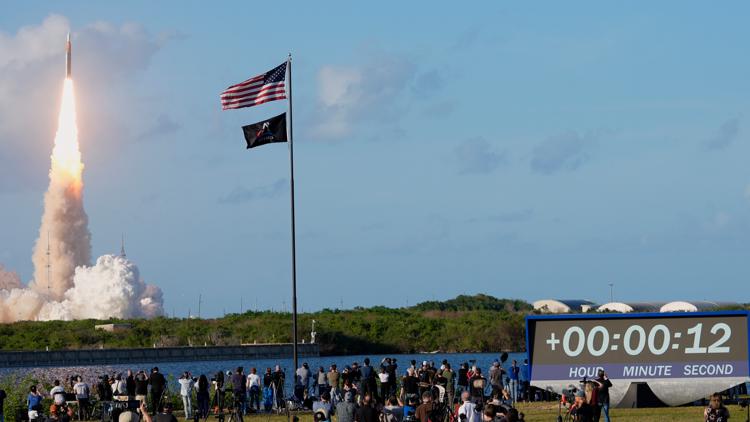
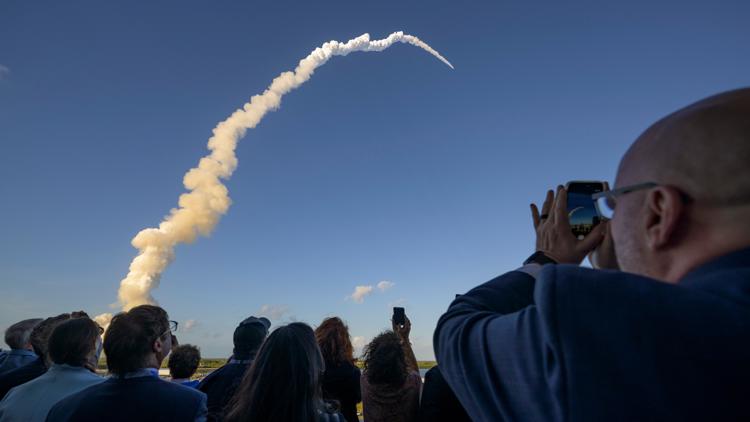
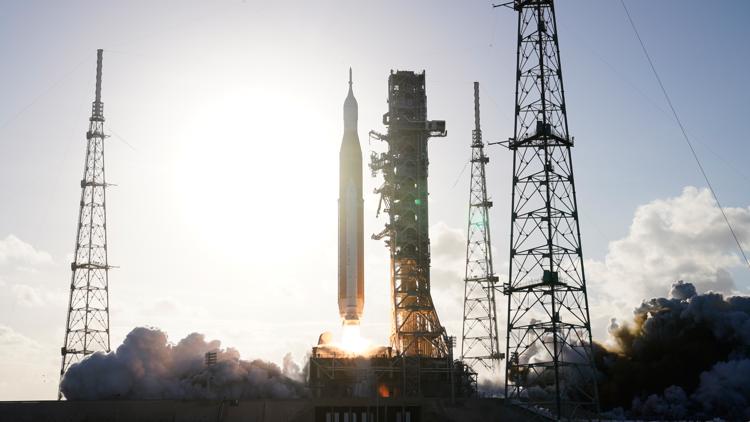
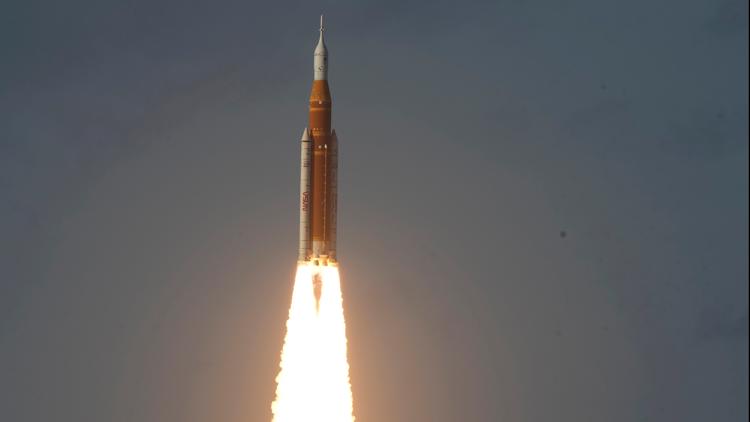
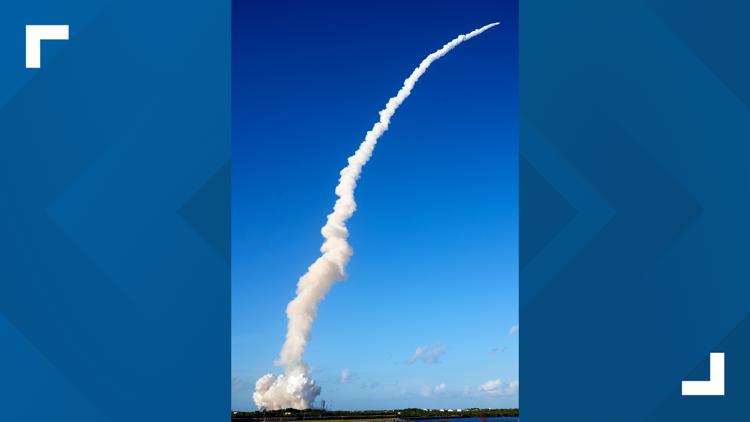
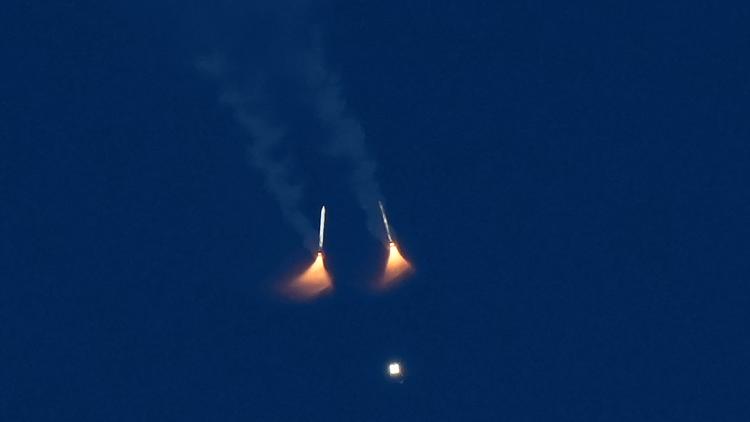
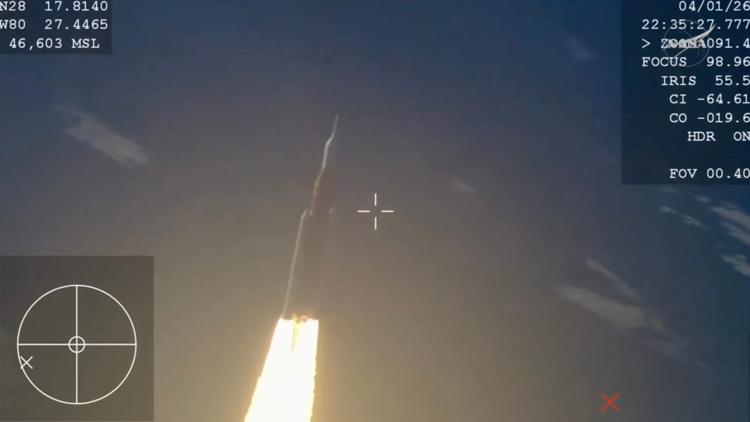
WASHINGTON — NASA is once again reaching for the moon as astronauts on the Artemis II mission have departed Earth’s orbit and are headed towards the moon.
On Thursday night, the Artemis II crew ignited their engines, propelling themselves toward the moon. This critical operation, known as translunar ignition, occurred 25 hours following their launch, setting the stage for a lunar flyby anticipated early next week. Among the crew are three Americans and a Canadian.
The Orion spacecraft engaged its main engine for nearly six minutes, generating up to 6,000 pounds of thrust. This powerful thrust is comparable to accelerating a car from 0 to 60 mph in just 2.7 seconds, effectively propelling the spacecraft out of Earth’s orbit and setting it on its path to the moon, approximately 250,000 miles (400,000 kilometers) away.
This engine burn marks the first time since December 7, 1972, when Apollo 17 embarked on its historic mission, that a space crew has undertaken such a maneuver. NASA has reported that initial assessments suggest the procedure was successful.
Before embarking on their lunar journey, the Artemis II team remained in close proximity to Earth for a day, conducting tests on their capsule’s life-support systems to ensure everything was functioning correctly.
Now committed to the moon, the Artemis II test flight is the opening act for NASA’s grand plans for a moon base and sustained lunar living.
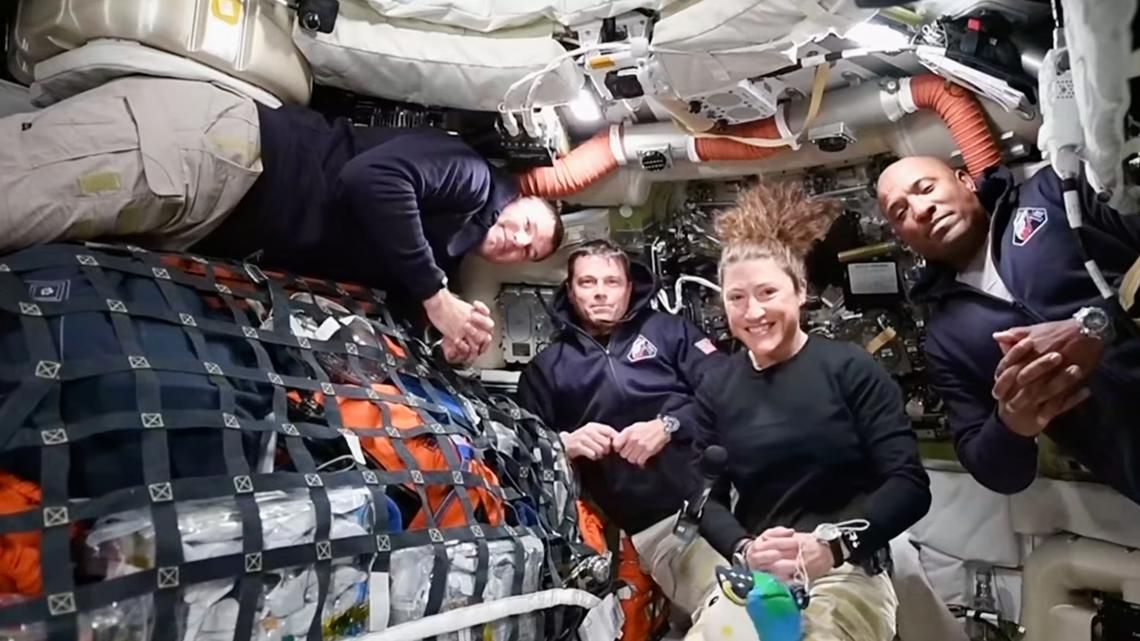
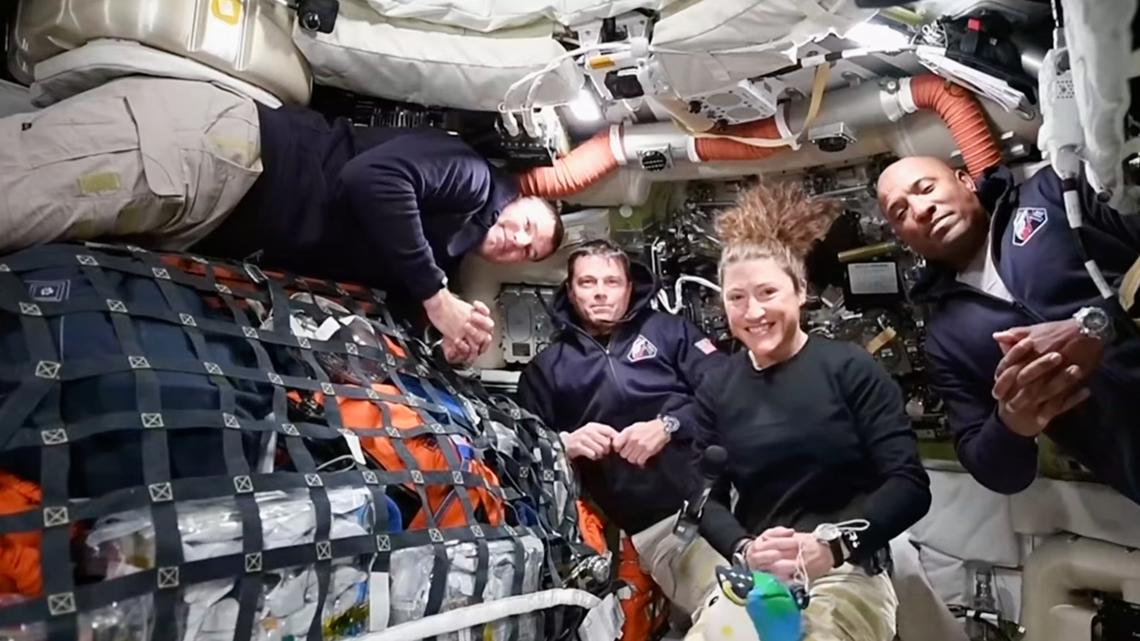
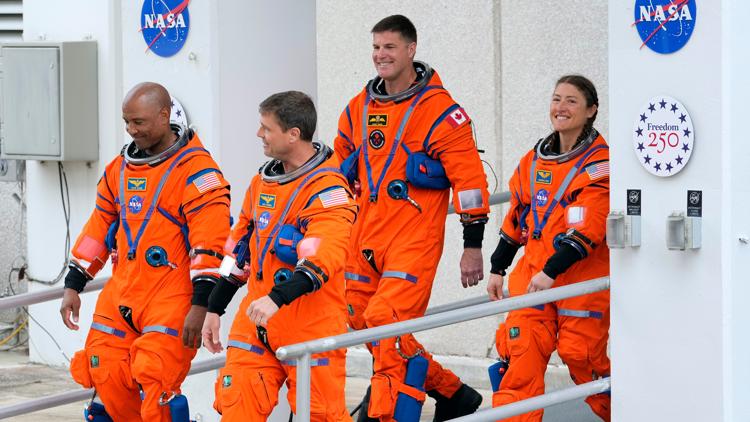
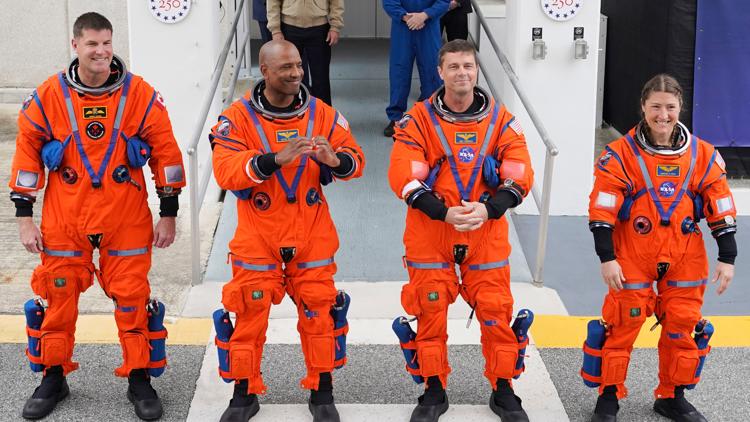
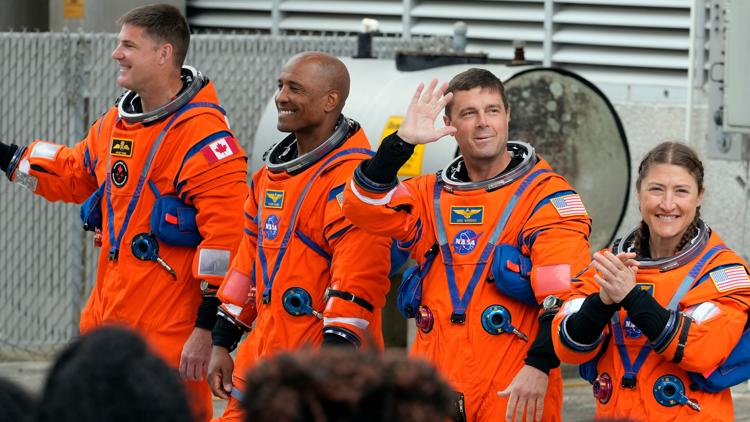
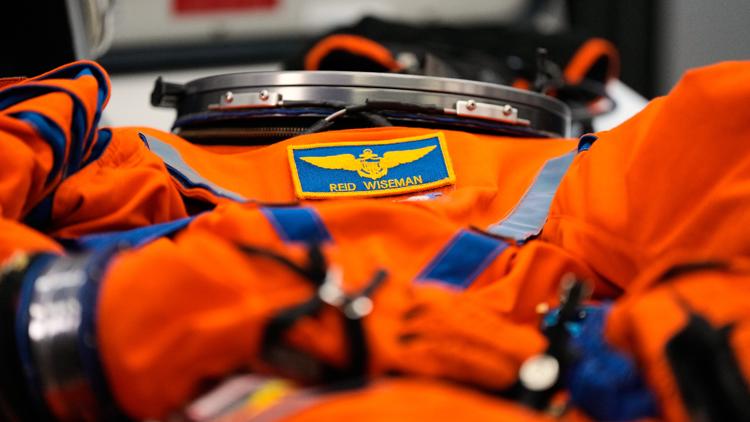
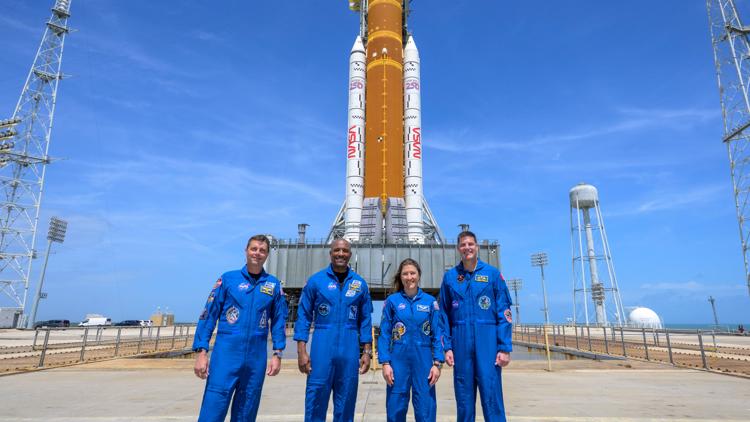
Commander Reid Wiseman, pilot Victor Glover, Christina Koch and Jeremy Hansen will dash past the moon then hang a U-turn and zip straight home without stopping on land. In the process, they will become the farthest humans have ever traveled from Earth, breaking the Apollo 13 distance record set in 1970. They also may become the fastest during their reentry at flight’s end on April 10.
To set the mood, Mission Control’s wake-up music for the crew was “Green Light” by John Legend featuring André 3000. The song segued into the 3-2-1 of the astronauts’ thunderous liftoff, followed by a medley of greetings from NASA teams across the country.
While awaiting their orbital departure, the astronauts savored the views of Earth from tens of thousands of miles high. Mission specialist Christina Koch told Mission Control that they can make out the entire coastlines of continents and even the South Pole, her old stomping ground.
“It is just absolutely phenomenal,” radioed Koch, who spent a year at an Antarctic research station before joining NASA.
Crew members are also having their first exercise sessions on the spacecraft’s flywheel exercise device, a key tool for maintaining strength and fitness during long-duration missions.
Mission Control managed to bump up the Orion capsule’s cabin temperature. It was so cold earlier in the mission — 65 degrees Fahrenheit — that the four astronauts had to dig into suitcases for long-sleeved clothes.
Commanded by Reid Wiseman, the mission is due to end with a Pacific splashdown on April 10. NASA is counting on the test flight to kickstart the entire Artemis program and lead to a moon landing by two astronauts in 2028.
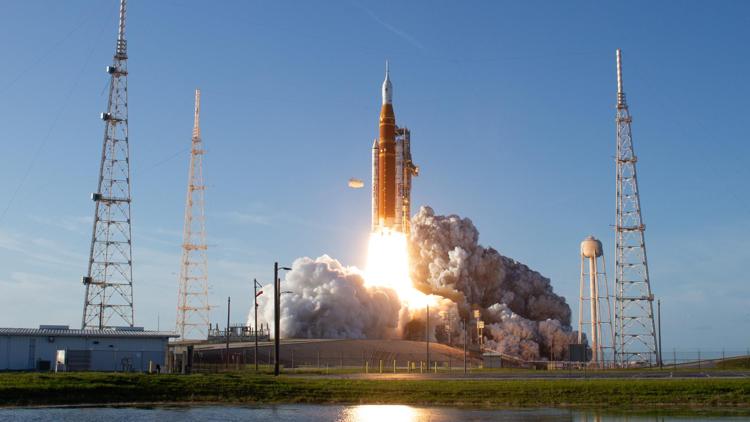
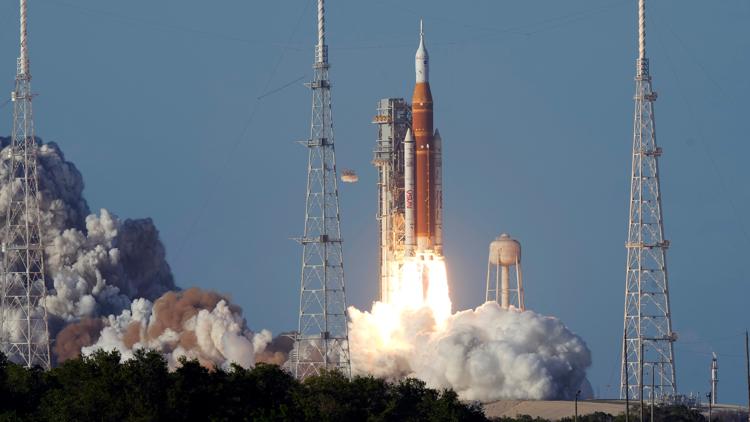
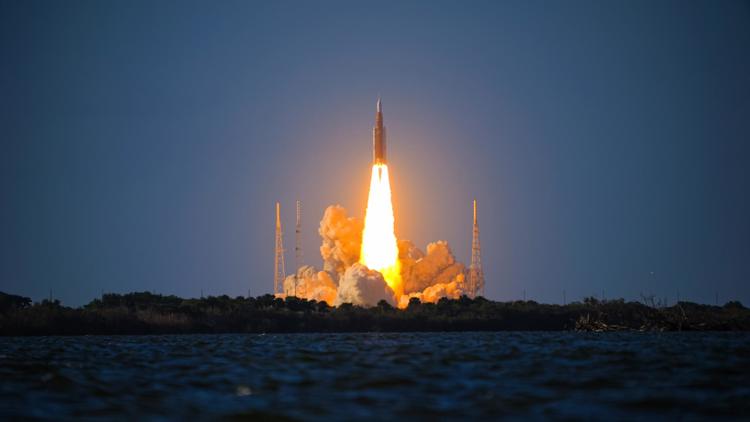
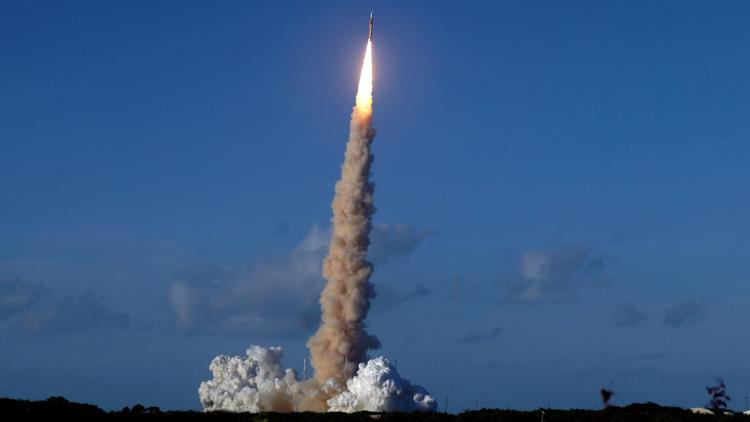
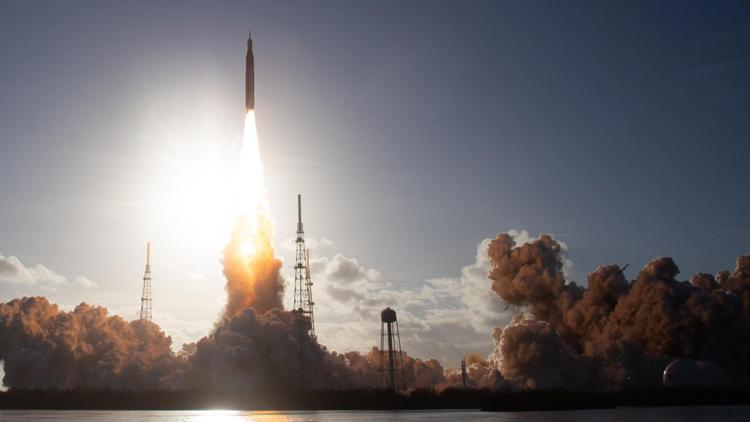
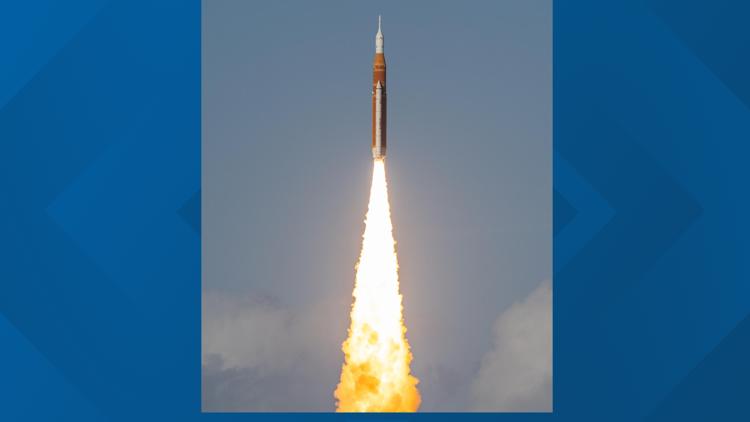
ARTEMIS PHOTOS: Humanity’s first flight to the moon in a half-century
-
1/23
-
2/23
-
3/23
-
4/23
-
5/23
-
6/23
-
7/23
-
8/23
-
9/23
-
10/23
-
11/23
-
12/23
-
13/23
-
14/23
-
15/23
-
16/23
-

17/23
-
18/23
-
19/23
-
20/23
-
21/23
-
22/23
-
23/23
/
Copyright 2025 Associated Press. All rights reserved. This material may not be published, broadcast, rewritten, or redistributed.