
California state employees are set to receive another paid holiday, a change that could cost taxpayers as much as $20 million annually.
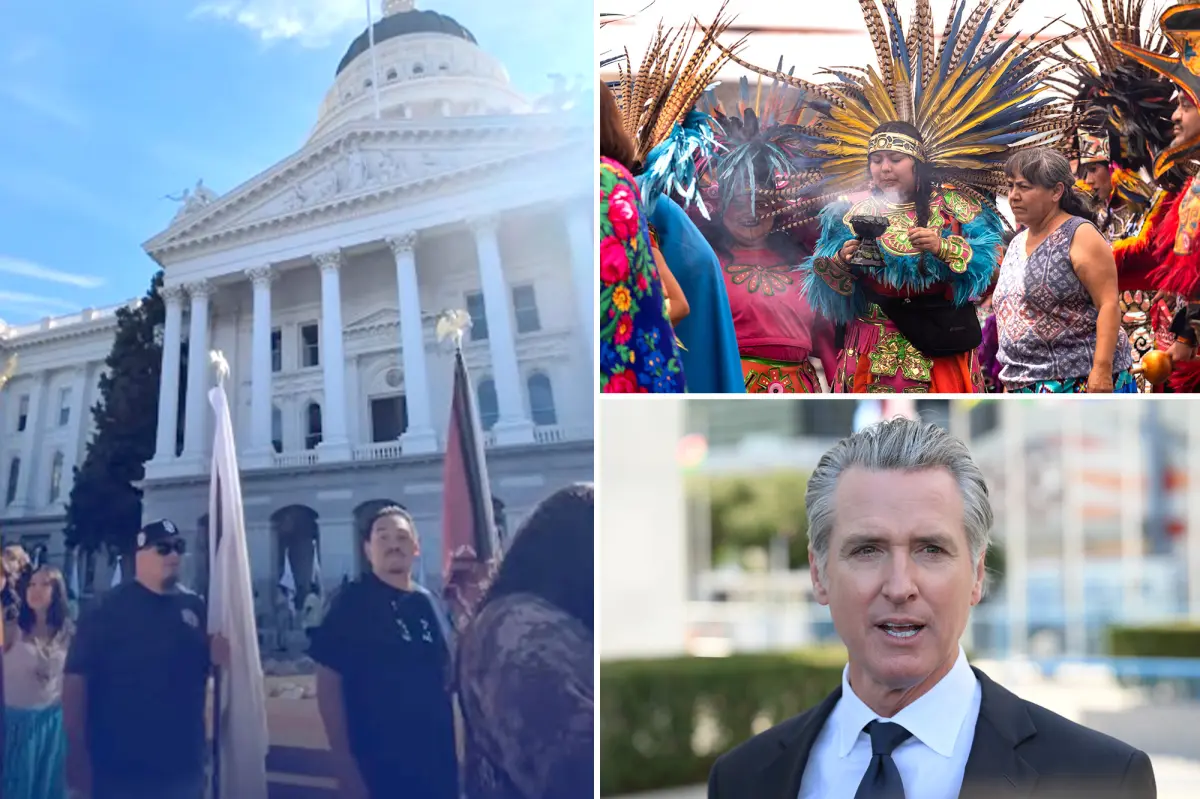
Gov. Gavin Newsom signed Assembly Bill 1841 this week, officially adding Native American Day to the state’s paid holiday calendar and bringing the total number of paid holidays for state workers to 12.
A state analysis estimates the added expense will range from $16 million to $20 million each year, factoring in employee payroll and the productivity lost when state offices close.
With the addition, California will offer more paid state holidays than Florida, New York, Ohio and Pennsylvania. Florida provides nine, while the other three states each observe 11. Among the country’s most populous states, only Texas and Illinois have more.
That means California already gives state workers more paid holidays than most of its largest-state peers — and the new law adds another expense for taxpayers to absorb.
The new holiday is also tied to California’s broader effort to address its history and relationship with Native American tribes.
In a separate measure, Newsom formalized an apology from the state and established the Governor’s Office of Tribal Affairs as a permanent entity.
“Today’s legislation reflects the many facets of the relationship between California and Native American tribes,” Newsom said, pointing to “great remorse over the violent beginnings of this state.”
California originally recognized the fourth Friday in September as California Native American Day in 1998.
The holiday’s website says the designation was created to counter inaccurate stereotypes about California Indians and correct what it describes as an incomplete portrayal of Native American societies in the state’s history education.
The financial impact of the new paid day off, however, is a current concern for California taxpayers.
As the state confronts budget pressures and other long-term obligations, critics are questioning whether expanding paid leave for government employees should be a priority.
Opponents have also criticized the larger legislative focus on historical grievances, symbolic measures and formal apologies.
They argue that California should concentrate more on practical policies for the future instead of repeatedly emphasizing the state’s historical responsibility.
The bill was introduced by Assemblymember James Ramos, D-San Bernardino, and signed by Newsom as part of a package of legislation concerning California’s Native American tribes.