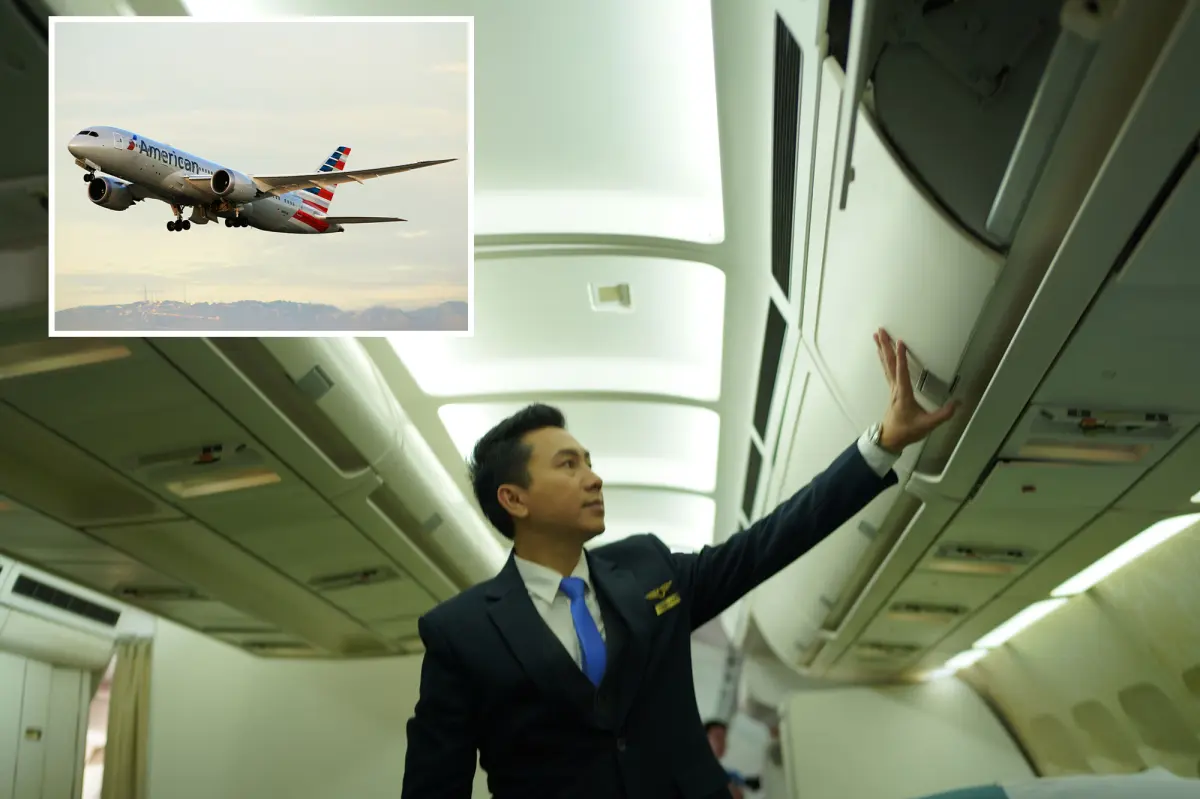

California flight attendants are pushing back against a proposed Federal Aviation Administration rule that could eliminate their state-guaranteed meal breaks, calling the plan “plainly unlawful.”
The FAA is seeking to exempt pilots and flight attendants from state meal-break requirements, arguing that federal aviation regulations take precedence over local labor laws, InsideFlyer reported.
If adopted, the proposal could remove a significant workplace protection for California-based crews, who are generally entitled to an uninterrupted 30-minute meal period when they work more than five hours.
Three of the nation’s largest flight attendant unions are challenging the plan, saying the FAA cannot unilaterally invalidate state protections.
“As for the FAA’s attempt to preempt a whole category of state law by simply declaring it so, such an action is plainly unlawful,” the unions said in an open letter. “Courts, not agencies, determine when federal preemption applies.”
The Association of Flight Attendants-CWA, Association of Professional Flight Attendants and International Association of Machinists & Aerospace Workers represent employees at major airlines, including Alaska Airlines, American Airlines, United Airlines and Hawaiian Airlines.
California’s flight attendant meal-break rules have already triggered years of expensive litigation involving the airlines.
Alaska Airlines lost multiple cases over whether its California-based crews qualified for the breaks and ultimately asked the US Supreme Court to review the dispute. The court declined to hear the airline’s appeal, according to Paddle Your Own Kanoo.
The FAA says differing state requirements can have a substantial effect on airline fares, routes and services, placing them in conflict with the Airline Deregulation Act of 1978.
Under the proposed rule, states would effectively be barred from enforcing meal-break mandates for airline crews. However, the plan would not create a federal requirement guaranteeing flight attendants time to eat during long shifts.
Instead, the agency argues that its current fatigue-management regulations provide sufficient protection.
The unions strongly dispute that position.
“By sowing a false sense of certainty that courts will not honor, the FAA will unleash chaos and uncertainty,” they warned.
They also rejected the FAA’s suggestion that scheduled meal or rest breaks could compromise passenger safety during an emergency.
“The suggestion that a flight attendant would not respond to an unruly or violent passenger or an on-board fire because of a scheduled rest break is completely unsupported by facts in the rulemaking record,” the unions said.
The unions added that the FAA had not pointed to a single incident in which a state-mandated break led a crew member to mishandle an emergency.
They further accused the agency of failing to adequately consult flight attendants about their working conditions before moving to remove the state protections.
“Its attention appears to be more focused on relieving the airlines of liability than working with stakeholders on the very real problem of flight attendants’ working conditions and how those conditions may impact the safety of the flying public,” the unions wrote.
California’s meal-break rules have also played an important role in airline labor negotiations.
The Association of Flight Attendants previously used the state law to win meal-break protections in a collective bargaining agreement before supporting an exemption from California’s requirements for aircrews.