Share this @internewscast.com
California authorities have given the green light to a contentious environmental initiative aimed at removing the invasive mule deer population on Catalina Island. This plan, announced by a conservation nonprofit on Friday, involves the use of sharpshooters.
On January 26, the California Department of Fish and Wildlife officially sanctioned the restoration management permit sought by the Catalina Island Conservancy.
Originally, the plan included aerial sharpshooters, which sparked significant public outcry with critics condemning it as a “violent and ugly” strategy. In response, the operation has been adjusted to involve ground teams instead, eliminating the use of helicopters.
“Since October 2023, local residents have voiced their objections to the idea of shooting from the air,” the nonprofit stated. “This feedback led to the removal of that method, and the Conservancy has pivoted to employing ground-based specialists. These professionals will carry out the operation with rifles, adhering to strict safety protocols. According to the permit, only trained experts operating from the ground will be allowed to perform the deer removal, which will span several years.”
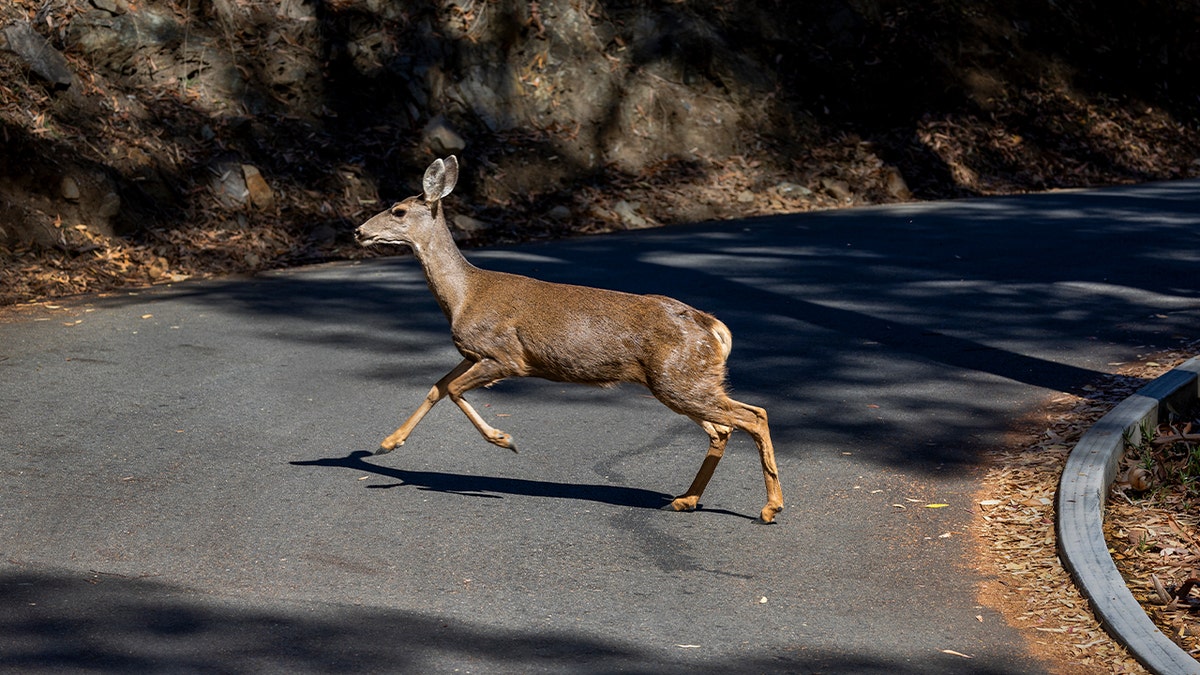
A mule deer is seen running across a road near the Descanso Beach Club in Avalon, Catalina Island on Tuesday, October 31, 2023. (Photo by Allen J. Schaben/Los Angeles Times via Getty Images)
The extensive initiative, named “Operation Protect Catalina Island,” plans to repurpose the harvested deer as food for the California Condor Recovery Program. This effort will supply a natural food source for the endangered condors, as explained by the nonprofit.
It remains unclear exactly how many deer will be removed, as populations fluctuate between 500 and 1,800, according to the Conservancy.

An aerial view shows Catalina Island’s harbor and rugged hills off the Southern California coast. (Gabriel Bouys/AFP via Getty Images)
The invasive deer, introduced in the early 1930s, “have no natural predators, so their population goes through extreme boom and bust cycles,” the Conservancy said.
Over the years, they have reportedly decimated native vegetation, contributing to soil erosion, water loss, increased wildfire risks and reduced resources for native species.

Protesters with the Coalition Against the Slaughter of Catalina Deer hold signs as island visitors arrive on the Catalina Express boat in Avalon, Catalina Island, Monday, Oct. 30, 2023. (Allen J. Schaben/Los Angeles Times via Getty Images)
“The evidence of the severity of the threat the deer pose is overwhelming, and all other alternatives have been exhausted,” Scott Morrison, director of conservation and science for The Nature Conservancy in California, said in a statement. “Catalina Island can have either a functional, biodiverse and resilient ecosystem or it can have deer. It cannot have both.”
The organization said the initiative will also include reintroducing native, fire-resistant plant species as officials seek to reduce escalating wildfire risks on the island.
It remains unclear when the plan to remove the deer will be implemented.