
Share this @internewscast.com

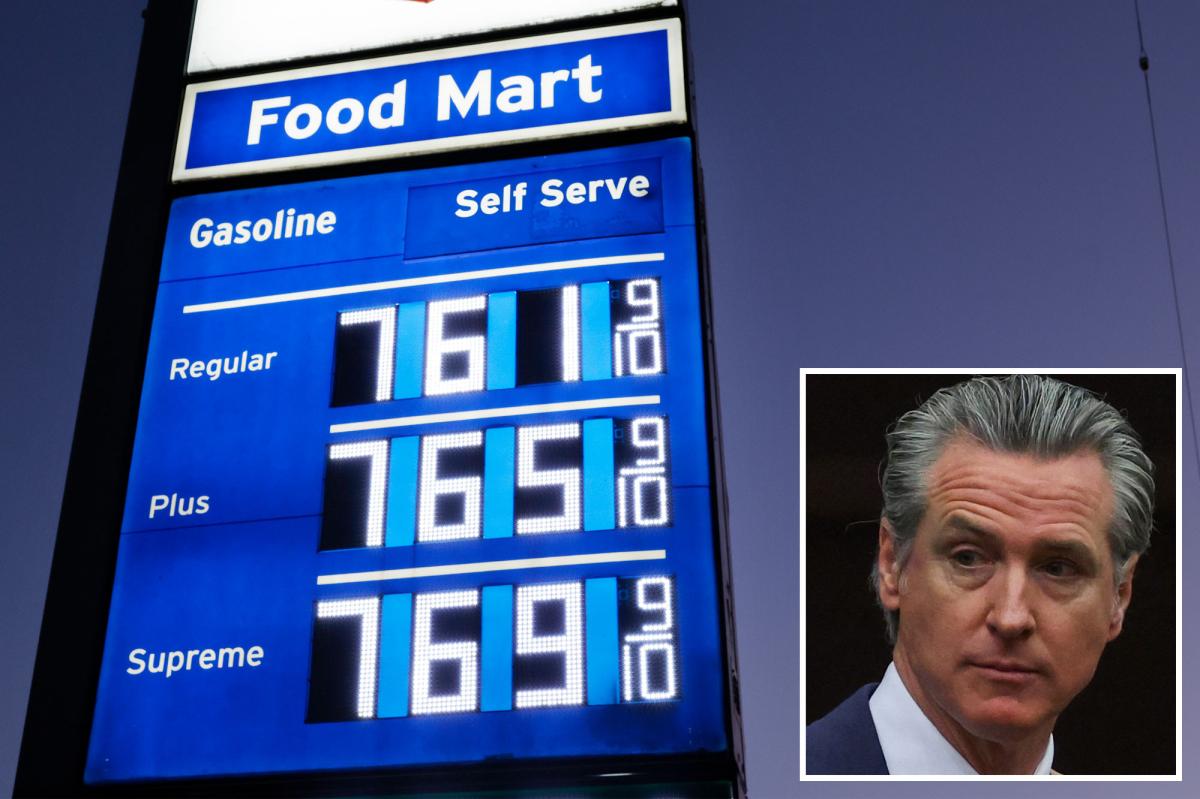
Amidst the surge in gas prices across California — where they are already the steepest nationwide — residents are increasingly directing their frustrations towards Governor Gavin Newsom and the state legislature in Sacramento. Many accuse them of implementing burdensome policies and excessive taxation.
The discontent mainly revolves around proposed rules associated with California’s Cap-and-Invest initiative. This program, managed by the California Air Resources Board, establishes a statewide cap on greenhouse gas emissions, mandating significant polluters to buy allowances for every ton of carbon they release.
Opponents argue that tightening these caps — a move strongly endorsed by Newsom — could further escalate gasoline and diesel costs in a state where fuel prices already surpass the national average.
“Stop taxing us to death,” expressed Victoria Comfort in her feedback on the proposed rules. “None of these taxes are benefiting Californians.”
“They aren’t aiding the environment. It’s the policies that have hindered the oil and gas sector in California and are causing financial strain on Californians with additional gas taxes, which are already the highest in the country,” she added.
The California Energy Commission indicates that the Cap-and-Invest program currently contributes approximately 24 cents per gallon to the price of gasoline in the state.
Gas prices averaged around $4.80 per gallon in early March, compared with roughly $3.25 nationwide, according to AAA data.
The system works by limiting emissions from large polluters — covering roughly 80% of the state’s greenhouse gases — and forcing companies to buy allowances for each ton emitted. Each year, fewer allowances are issued, gradually tightening the cap.
Revenue from the program flows into California’s Greenhouse Gas Reduction Fund, which finances climate initiatives such as transit projects and environmental programs.
But critics argue the tightening rules could ripple through the fuel market and land directly on consumers.
Oil companies and energy groups have warned that stricter regulations could threaten the viability of California’s remaining refineries. In a letter to regulators, energy giant Chevron warned that the proposed amendments could “cripple the survivability” of the state’s refining industry, potentially leading to more shutdowns, job losses and higher fuel costs.
The company noted that the oil and gas sector supports more than 530,000 jobs statewide and contributes about $64 billion annually in tax revenue.
Meanwhile, environmental groups are urging regulators to go even further.
In a letter submitted to CARB, advocacy organization Biofuelwatch called on the board to close what it described as a “biogenic CO2 exemption loophole” that allows biofuel producers and distributors to avoid buying carbon allowances for certain emissions.
The group argues that these exemptions reduce demand for carbon credits and suppress carbon prices, costing the state potentially hundreds of millions of dollars in revenue.
Using 2024 emissions data, the organization estimated that more than 23 million tons of emissions linked to biogenic fuels were exempted from the program — representing as much as $593 million to $712 million in potential revenue depending on allowance prices.
But while policy experts debate the mechanics of the program, many California residents say they’re simply tired of paying more at the pump.
Some also blamed the state’s energy policies for weakening the local industry and increasing reliance on imports.
“California’s overseers managed the impossible: destroy in-state refining, kill high-paying local jobs, increase import dependence, and then pretend consumers are the problem,” said Michael Chavez. “Californians are not using less oil. They’re just being forced to buy the same energy through a dumber, weaker, more expensive supply chain.”
Other residents also argued the state is moving too aggressively toward electrification without the infrastructure or affordability to support it.
“California has a reputation for excessive regulations that make life expensive for all citizens, especially the poor,” wrote Brian Rohmer. “I cannot afford an electric vehicle and the infrastructure does not exist to support it.”
Ramona Bonitatis, a resident of Santa Clarita, said the proposed amendments would worsen an already painful reality for drivers.
“Gas prices in my neighborhood are already approaching over $5.00 per gallon,” she wrote in her comment to regulators. “This disparity punishes hardworking Californians every time we fill up while most other states enjoy prices in the $2–$3 range.”
Bonitatis urged officials to reject the amendments, warning that additional regulatory pressure could push prices even higher.
“California’s leaders must stop these burdensome regulations that disproportionately harm families and workers,” she said. “Stop taxing us to death.”
Download The California Post App, follow us on social, and subscribe to our newsletters
California Post News: Facebook, Instagram, TikTok, X, YouTube, WhatsApp, LinkedIn
California Post Sports Facebook, Instagram, TikTok, YouTube, X
California Post Opinion
California Post Newsletters: Sign up here!
California Post App: Download here!
Home delivery: Sign up here!
Page Six Hollywood: Sign up here!