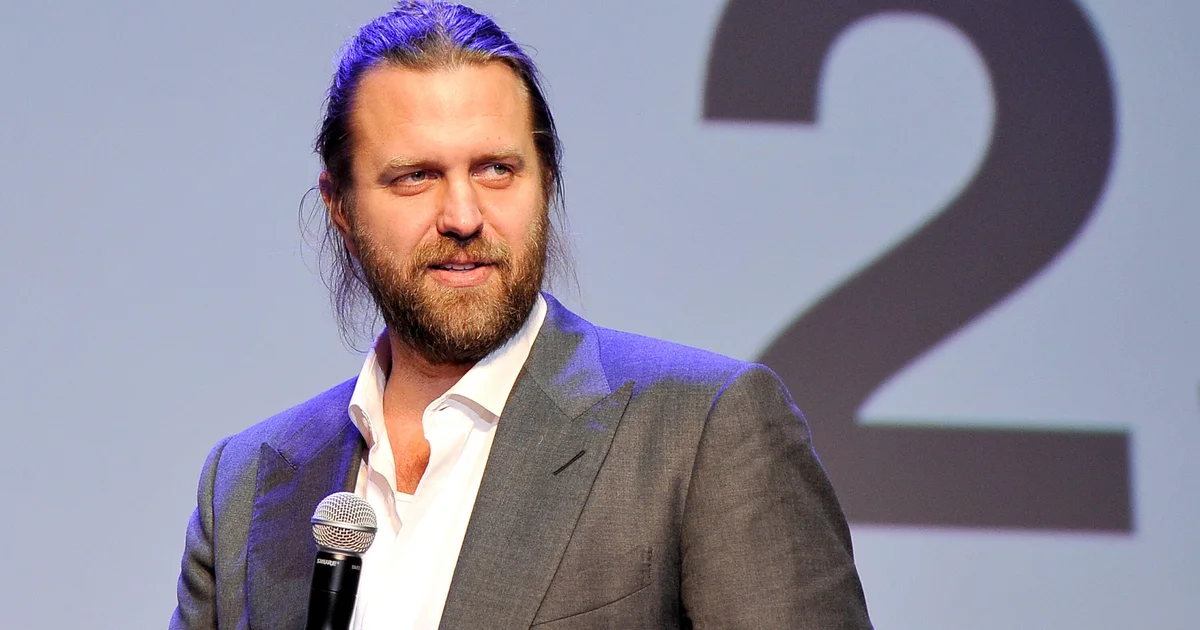

Hollywood writer-director Carl Rinsch was sentenced Monday to 2 1/2 years behind bars after being convicted of defrauding Netflix of $11 million tied to a sci-fi series that was never completed. A group of supporters, among them Keanu Reeves, had urged the judge to impose a lighter sentence.
Rinsch, widely known for directing the 2013 samurai fantasy “47 Ronin,” was found guilty in December on federal wire fraud and related charges. Prosecutors said, and trial testimony showed, that he claimed he needed $11 million from Netflix to complete a project titled “White Horse,” but instead moved the funds into a personal account and spent large amounts on luxury vehicles, watches, clothing and household items — including $638,000 for two mattresses.
Rinsch, 48, and his defense team told the court Monday that his actions were driven in part by mental health challenges and issues involving medication, which they said he is now working to address with a new care provider.
“This process has forced me to confront things about my health, my judgment and my life,” Rinsch said in court. He apologized for his conduct, conceded that “real harm was caused,” and added: “I failed to recognize the danger of the state I was in.”
The specific nature of his psychological difficulties was not discussed during the hearing, and neither Rinsch nor his attorneys elaborated on them afterward.
Prosecutors had sought a five-year prison term for Rinsch, who also must pay roughly $11 million in restitution and will face three years of supervised release once his prison sentence ends.
“Mr. Rinsch had every possible advantage,” prosecutor David Markewitz told the court, citing family wealth, an elite education, celebrity connections and a successful career. The prosecutor described Rinsch’s motive as “naked greed.”
John Sciulli
Rinsch, who has also worked professionally under the name Carl Erik Rinsch, is from the Los Angeles area and began making short films as a teenager. He went on to direct commercials before drawing wider notice for “47 Ronin,” starring Reeves as the leader of a band of outcast samurai seeking revenge for their master’s death.
Rinsch brought “exceptional joy and warmth to the people around him” and “creative inspiration to others through his creativity and vision,” Reeves told the court in a letter ahead of Rinsch’s sentencing.
EXCLUSIVE: Today Show Insider Exposes Brutal Behind-the-Scenes Verdict on Al Roker
The “Matrix” star acknowledged that Rinsch “can self-sabotage by amplifying the scale, scope and landscape of what had been negotiated.” But he said he hoped the director’s sentence “might be tempered with measures of leniency and mercy as well as justice.”
Prosecutors said Netflix initially paid Rinsch about $44 million for “White Horse” in 2018 and 2019, then provided another $11 million in 2020 after he said he needed more money to wrap up production.
But instead of putting that money toward the show, Rinsch steered the cash to a personal account and made a series of failed investments, losing around half the $11 million in a couple of months, according to prosecutors and witnesses’ testimony.
They said he put the remaining funds into the cryptocurrency market, netting some profit, which Rinsch deposited into his own bank account.
Then came the lavish purchases, prosecutors said, with Rinsch buying five Rolls-Royces, a red Ferrari, $652,000 worth of watches and clothes, and the pricey mattresses, plus another $295,000 on luxury bedding and linens. In addition, he used some of the money to pay off about $1.8 million in credit card bills, prosecutors said.
“Instead of using the money to make the show, Rinsch made risky bets on highly speculative stock options and cryptocurrency, and spent millions of dollars on luxury goods for himself,” U.S. Attorney for the Southern District of New York Jay Clayton said Monday in a statement. “Today’s sentence sends a deterrent message: fraud will not be tolerated.”
U.S. District Judge Jed S. Rakoff said Rinsch’s mental health difficulties “may explain some of the excesses” but don’t “detract from the court’s conclusion that he was determined to lie to get substantial monies from Netflix, lie to cover it up.”
As Rakoff announced the prison term, Rinsch wrote on a piece of paper on a table in front of him. One of his lawyers, Benjamin Zeman, patted the director’s back.
After court, Rinsch — who’s due to report to prison in September — hugged several people who had come to support him. He and his lawyers declined to comment as they left, except that attorney Daniel McGuinness said they looked forward to appealing the case.
Netflix declined to comment on his sentence.