Share this @internewscast.com
The ongoing investigation into the tragic shooting at Brown University has encountered challenges as students left for winter break, according to former law enforcement officials.
The incident unfolded at approximately 4 p.m. on Saturday within the Barus and Holley engineering building. Initially, authorities detained a person of interest early on Sunday morning; however, this individual was subsequently released.
Tragically, the shooting claimed the lives of two individuals: Ella Cook and Mukhammad Aziz Umurzokov. Cook, at just 19 years old, was actively involved on campus, serving as the vice president of the Brown University College Republicans.
In the aftermath of the shooting, Brown University took decisive action by canceling all exams, classes, and other scheduled activities. Students were given the option to depart early for their winter break.
Brown University Provost Francis J. Doyle III addressed the campus community, explaining the decision: “This choice was made out of our profound concern for all students, faculty, and staff on our campus. In the immediate aftermath of these devastating events, we recognize that learning and assessment are significantly hindered in the short term and that many students and others will wish to depart campus. Students are free to leave if they are able.”
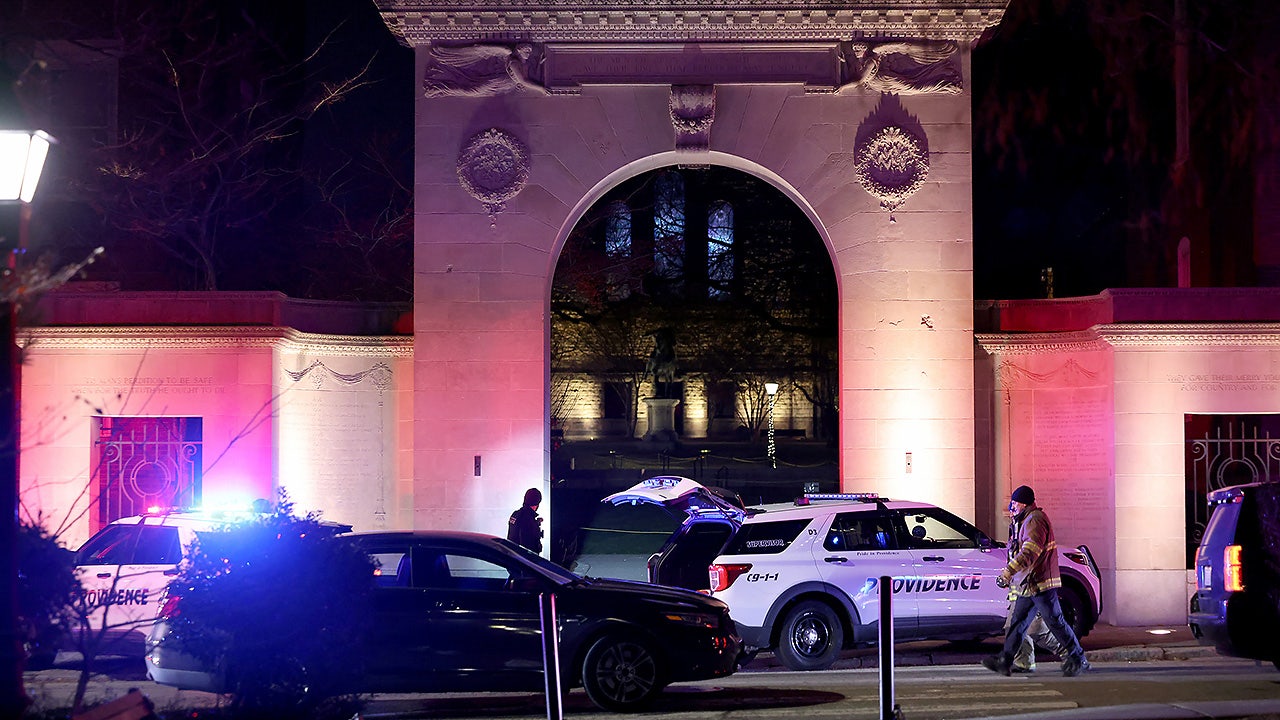
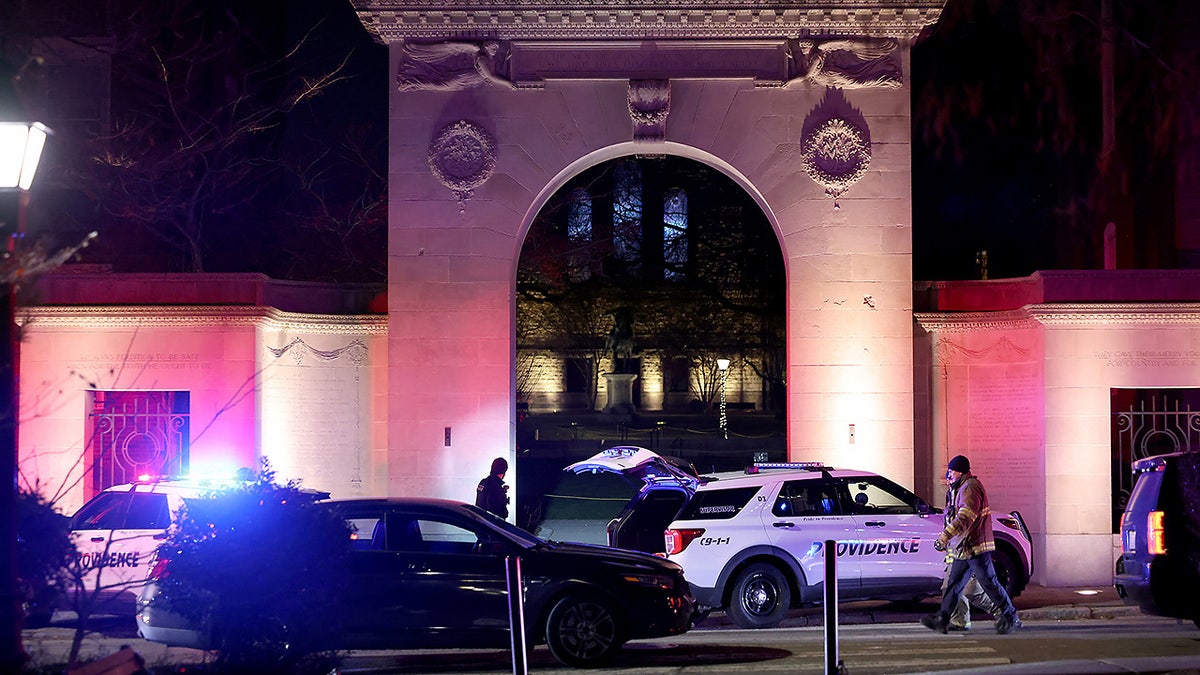
As the investigation continues, the scene at Brown University remains a poignant reminder of the tragic events, with police maintaining a presence outside the university’s entrances in Providence, R.I., as captured in images by AP photographer Mark Stockwell.
Former FBI investigator Bill Daly told Fox News Digital that the decision by Brown University administrators to send students home could slow down the investigation.
“I think one of the softest aspects of this investigation is the fact that the students and some of the faculty members or assistant teaching staff who were either in the building or in the room where the shooting took place have now left to go home, maybe left the campus and are not necessarily generally available for interviews,” Daly said. “It’s certainly preferred when you have a crime occur is that you immediately segregate those people who may be witnesses so that there’s no kind of cross pollution of what people heard or saw.”
“That opportunity has kind of passed by,” he said. “Right now, the best thing that’s possible is for these students and maybe some of the faculty, assistant teachers, et cetera, who are there, to have these virtual discussions with the police, document what they believe they’ve either heard or saw.”
Daly said it’s very important for investigators to get in touch with students who were at the crime scene.
“I still think it’s a very important part of this investigation to have any of those people, any of the other students, any of faculty, the assistant teaching faculty who were there,” he said. “So the fact that they’re now kind of gone to all kind of corners of the country, this creates more of a challenge.”
The University of Idaho canceled classes for a shorter period of time after four students were killed in November 2022, though some students went home early for fall break after the shooting.
Michael Balboni, former homeland security advisor for New York State, told Fox News Digital the eyewitness accounts of the crime become harder to get since students were told they could leave.
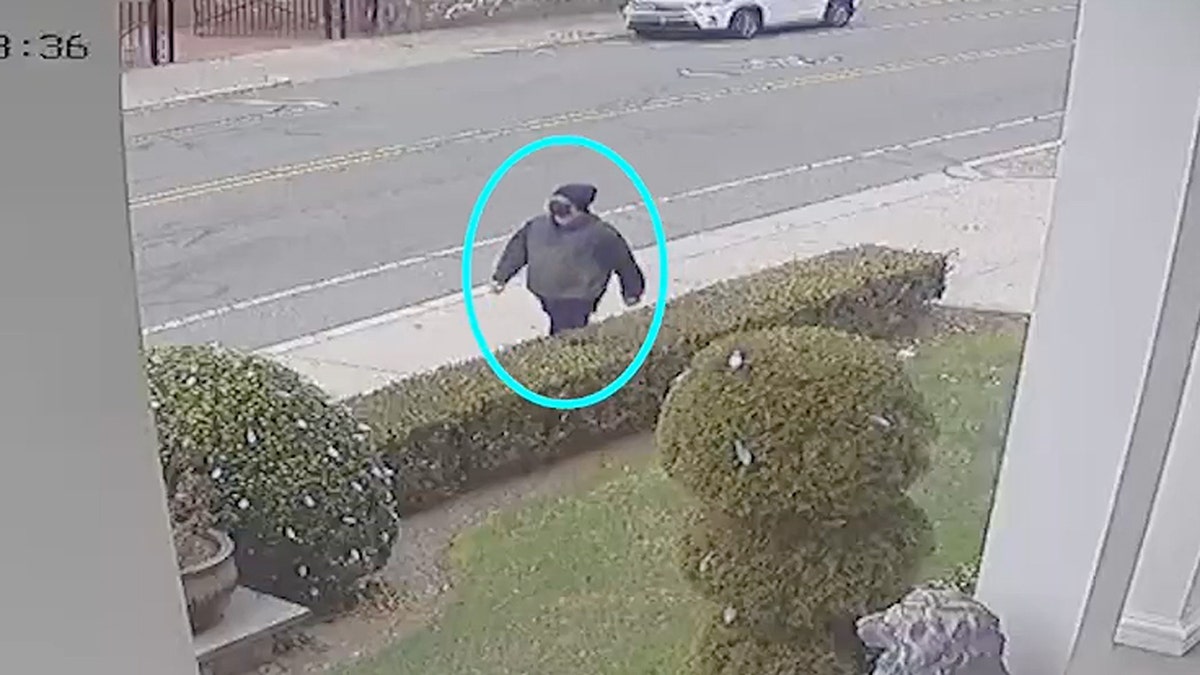
FBI Boston released a timeline of surveillance camera footage that captures a person of interest in the Brown University shooting. (FBI Boston via X)
“It’s very difficult to try to get eyewitness accounts, everything from how did the individual walk into the room where the shooting was done,” Balboni said.
Balboni, however, said that Brown administrators were forced to make a “very difficult decision” in canceling exams and letting students go home.