Share this @internewscast.com
In a significant legislative move, China’s top lawmaking body has approved a new “Ethnic Unity and Progress Promotion Law.” This decision underscores Beijing’s enduring efforts to cultivate a unified national identity and foster ethnic integration across the nation.
The law was ratified during the concluding session of the fourth meeting of the 14th National People’s Congress, held during the annual parliamentary session in Beijing.
Xinhua, a state-affiliated news outlet, has indicated that this legislation aims to embed the principle of nurturing “a strong sense of community for the Chinese nation” into official state policy.
The newly passed law also intends to enhance high-quality development in regions with significant ethnic minority populations. It seeks to advance what government officials refer to as common prosperity among the country’s 56 recognized ethnic groups.
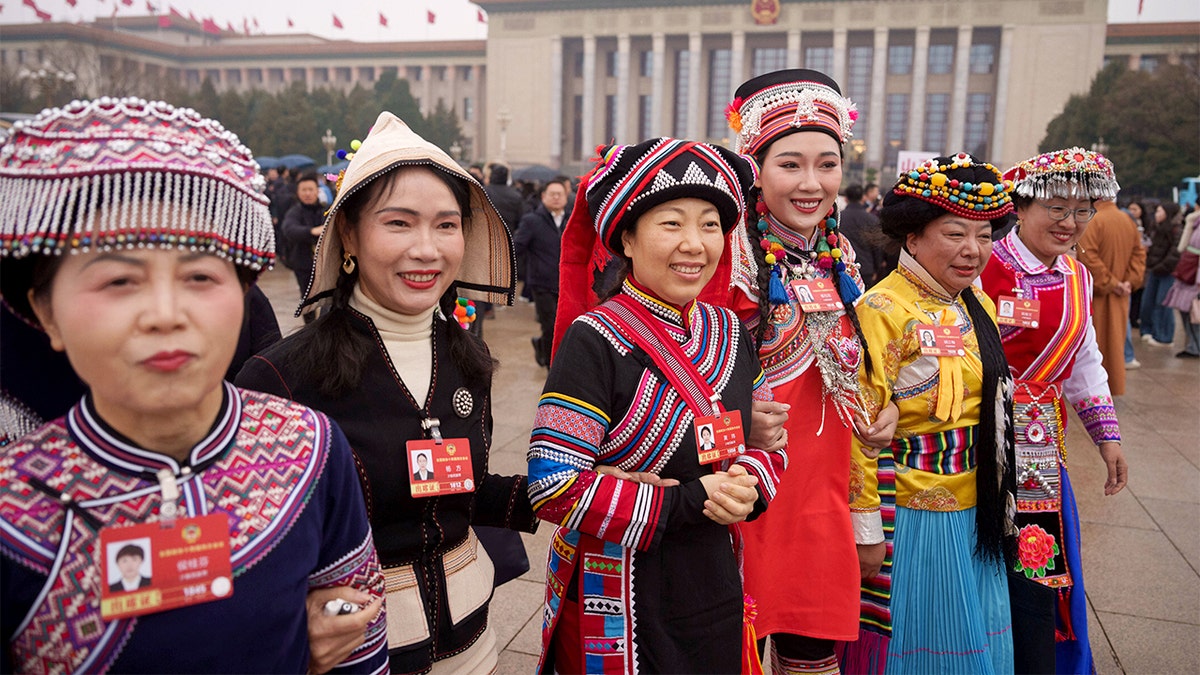
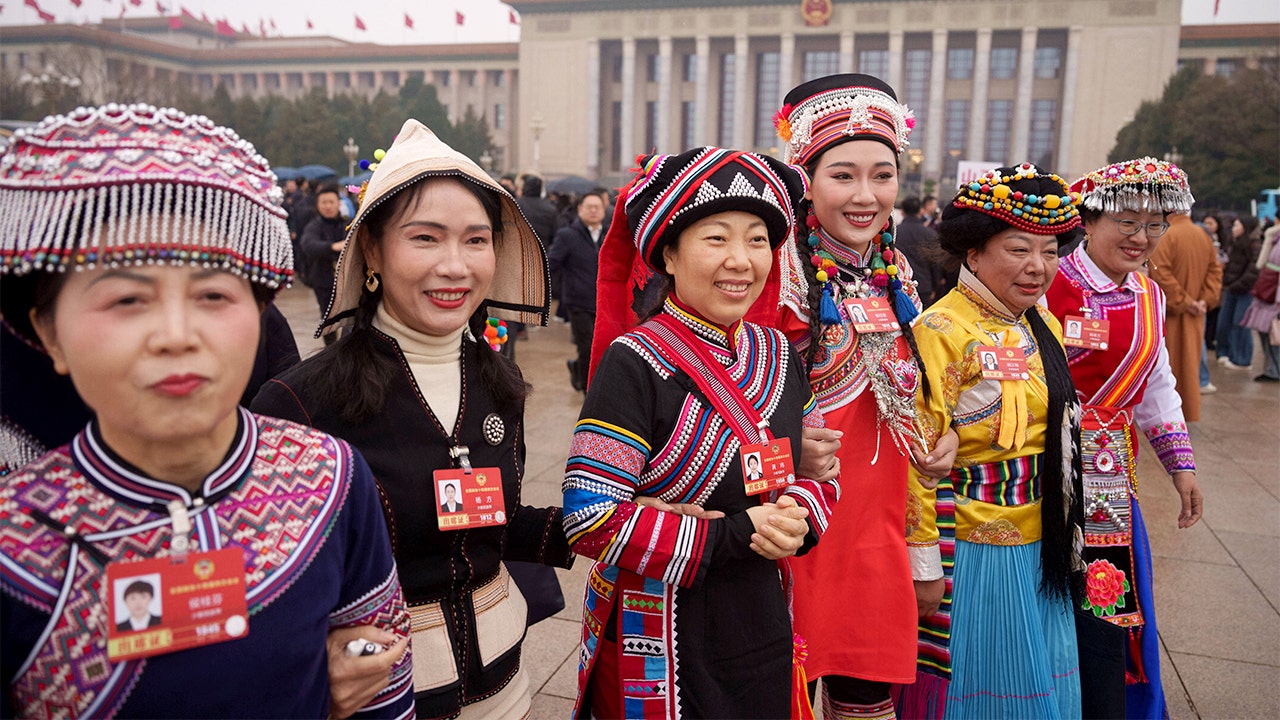
As ethnic minority delegates gathered for the opening of the Chinese People’s Political Consultative Conference at the Great Hall of the People in Beijing on March 4, 2026, the emphasis on ethnic unity was apparent. This gathering reflects the broader strategic vision outlined by the legislation. (Image: Vincent Thian/AP)
Li Hongzhong, vice chairman of the National People’s Congress Standing Committee, highlighted that this measure is designed to promote the governance of ethnic affairs within the framework of the rule of law.
“The people of each ethnic group, all organizations and groups of the country, armed forces, every Party and social organization, every company, must forge a common consciousness of the Chinese nation according to law and the constitution, and take the responsibility of building this consciousness,” the proposed law reads, according to a translation from The Associated Press.
Academics and outside observers say the provision could undermine the cultural identity of ethnic minorities by requiring the use of Mandarin in compulsory education and establishing a legal basis to pursue individuals or organizations outside China whose actions are deemed to undermine “ethnic unity,” the AP reported.
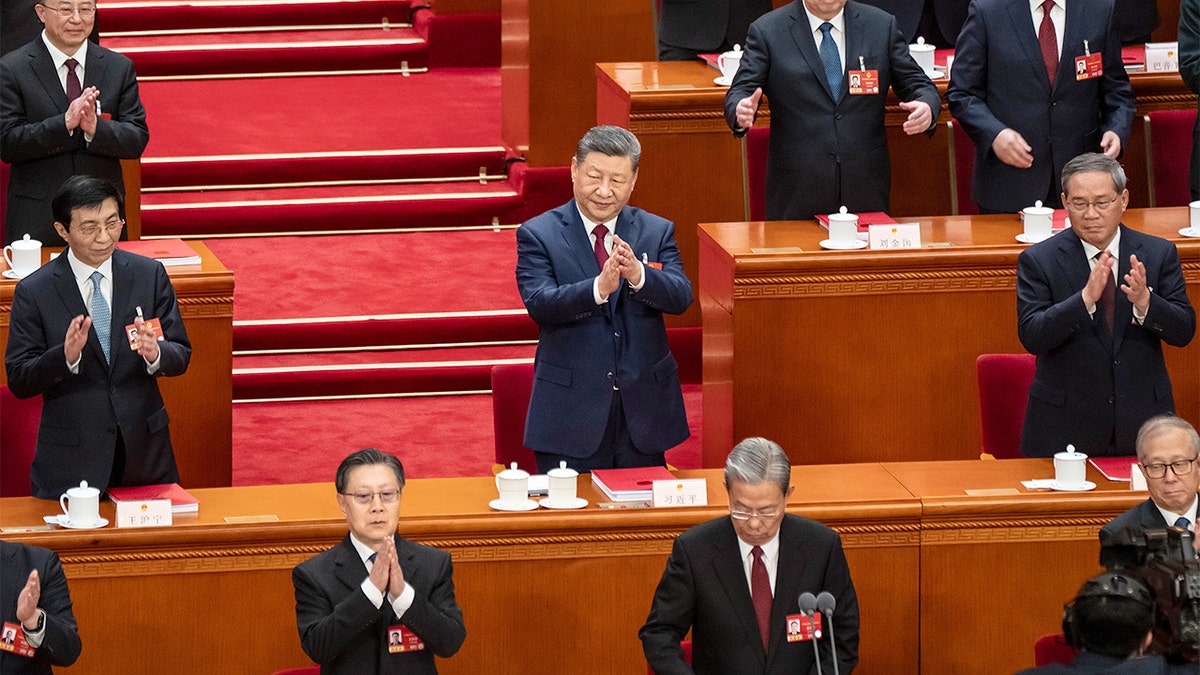
Xi Jinping, China’s president, center, applauds during the closing session of the National People’s Congress at the Great Hall of the People in Beijing, March 12, 2026. (Qilai Shen/Bloomberg via Getty Images)
China’s population stands at 1.44 billion as of November 2020, according to the Seventh National Population Census released in 2021 by the National Bureau of Statistics.
Of that total, 91.11% were Han Chinese and 8.89% belonged to ethnic minority groups.
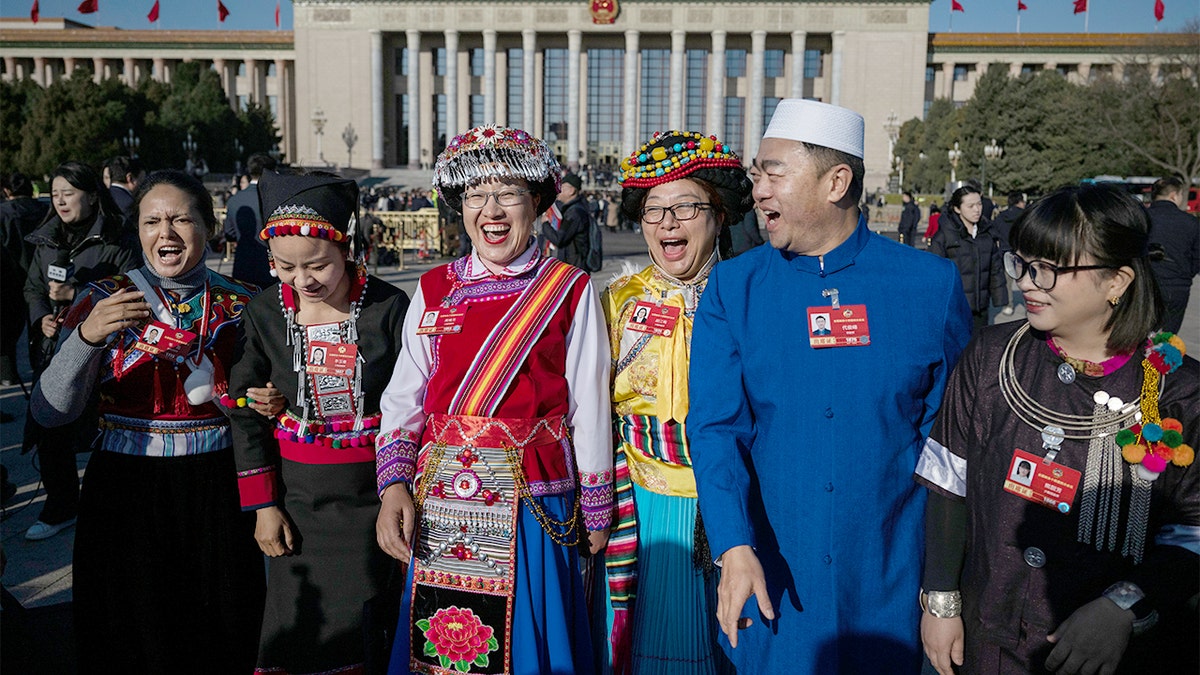
Delegates wearing traditional clothing react at the closing session of the Chinese People’s Political Consultative Conference in Beijing, March 11, 2026. (Kevin Frayer/Getty)
James Leibold, a professor at Australia’s La Trobe University, told the AP the new measure “puts a death nail in the party’s original promise of meaningful autonomy.”
Rayhan Asat, a legal scholar at Harvard University, also criticized the law, saying it “serves as a strategic tool and gives the pretext to government to commit all sorts of human rights violations.”