
The agreement signifies a major transformation for schools, which now have to confront the fact that their athletes are the ones generating the vast sums of money.
On Friday, a federal judge authorized what may be considered the most significant change in the history of college athletics, enabling institutions to start compensating their athletes with millions of dollars by next month. This step dismantles the remnants of the amateur model that has characterized college sports for over a century in this multibillion-dollar sector.
Almost five years after Arizona State swimmer Grant House filed a lawsuit against the NCAA and the five largest conferences to abolish restrictions on revenue sharing, U.S. Judge Claudia Wilken ratified the final proposal. The proposal, which had been stalled due to roster limits, is just the beginning of numerous changes on the horizon, amid worries that thousands of walk-on athletes may lose their opportunity to participate in college sports.
The sweeping terms of the so-called House settlement include approval for each school to share up to $20.5 million with athletes over the next year and $2.7 billion that will be paid over the next decade to thousands of former players who were barred from that revenue for years.
The agreement brings a seismic shift to hundreds of schools that were forced to reckon with the reality that their players are the ones producing the billions in TV and other revenue, mostly through football and basketball, that keep this machine humming.
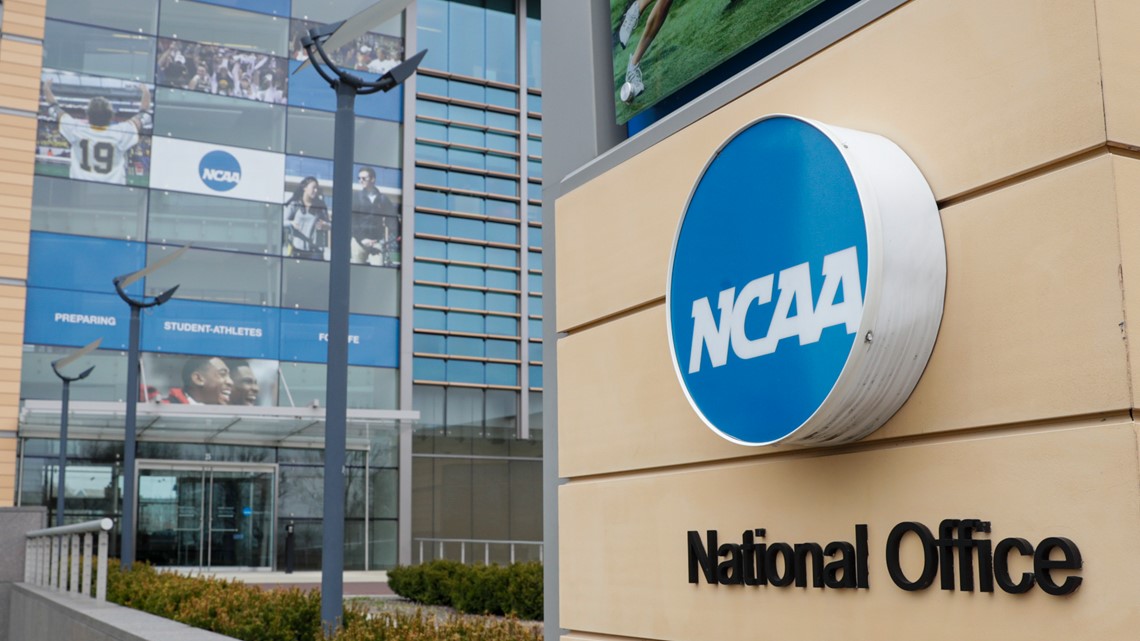
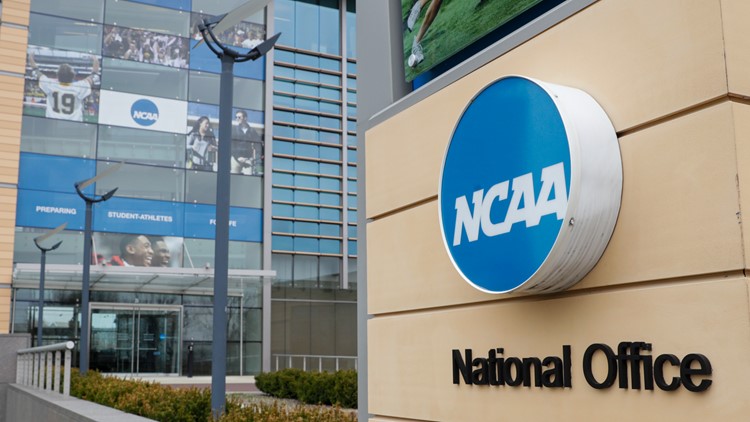
The scope of the changes — some have already begun — is difficult to overstate. The professionalization of college athletics will be seen in the high-stakes and expensive recruitment of stars on their way to the NFL and NBA, and they will be felt by athletes whose schools have decided to pare their programs. The agreement will resonate in nearly every one of the NCAA’s 1,100 member schools boasting nearly 500,000 athletes.
The road to a settlement
Wilken’s ruling comes 11 years after she dealt the first significant blow to the NCAA ideal of amateurism when she ruled in favor of former UCLA basketball player Ed O’Bannon and others who were seeking a way to earn money from the use of their name, image and likeness (NIL) — a term that is now as common in college sports as “March Madness” or “Roll Tide.” It was just four years ago that the NCAA cleared the way for NIL money to start flowing, but the changes coming are even bigger.
Wilken granted preliminary approval to the settlement last October. That sent colleges scurrying to determine not only how they were going to afford the payments, but how to regulate an industry that also allows players to cut deals with third parties so long as they are deemed compliant by a newly formed enforcement group that will be run by auditors at Deloitte.
The agreement takes a big chunk of oversight away from the NCAA and puts it in the hands of the four biggest conferences. The ACC, Big Ten, Big 12 and SEC hold most of the power and decision-making heft, especially when it comes to the College Football Playoff, which is the most significant financial driver in the industry and is not under the NCAA umbrella like the March Madness tournaments are.
Winners and losers
The list of winners and losers is long and, in some cases, hard to tease out.
A rough guide of winners would include football and basketball stars at the biggest schools, which will devote much of their bankroll to signing and retaining them. For instance, Michigan quarterback Bryce Underwood’s NIL deal is reportedly worth between $10.5 million and $12 million.
Losers will be the walk-ons and partial scholarship athletes whose spots are gone. One of the adjustments made at Wilken’s behest was to give those athletes a chance to return to the schools that cut them in anticipation of the deal going through.
Also in limbo are Olympic sports many of those athletes play and that serve as the main pipeline for a U.S. team that has won the most medals at every Olympics since the downfall of the Soviet Union.
All this is a price worth paying, according to the attorneys who crafted the settlement and argue they delivered exactly what they were asked for: an attempt to put more money in the pockets of the players whose sweat and toil keep people watching from the start of football season through March Madness and the College World Series in June.
What the settlement does not solve is the threat of further litigation.
Though this deal brings some uniformity to the rules, states still have separate laws regarding how NIL can be doled out, which could lead to legal challenges. NCAA President Charlie Baker has been consistent in pushing for federal legislation that would put college sports under one rulebook and, if he has his way, provide some form of antitrust protection to prevent the new model from being disrupted again.
Copyright 2025 Associated Press. All rights reserved. This material may not be published, broadcast, rewritten, or redistributed.