
Share this @internewscast.com
Cuba has set free over 2,000 prisoners as the country grapples with escalating economic challenges tied to U.S. sanctions and severe fuel shortages.
The Cuban Embassy in Washington announced that 2,010 inmates were pardoned in accordance with constitutional provisions. The decision took into account factors like good behavior, the amount of time already served, and health considerations.
“This humanitarian and sovereign decision was made following a thorough review of the offenses committed by the inmates, their conduct during incarceration, and the significant portion of their sentences already served,” stated the embassy in a post on X.
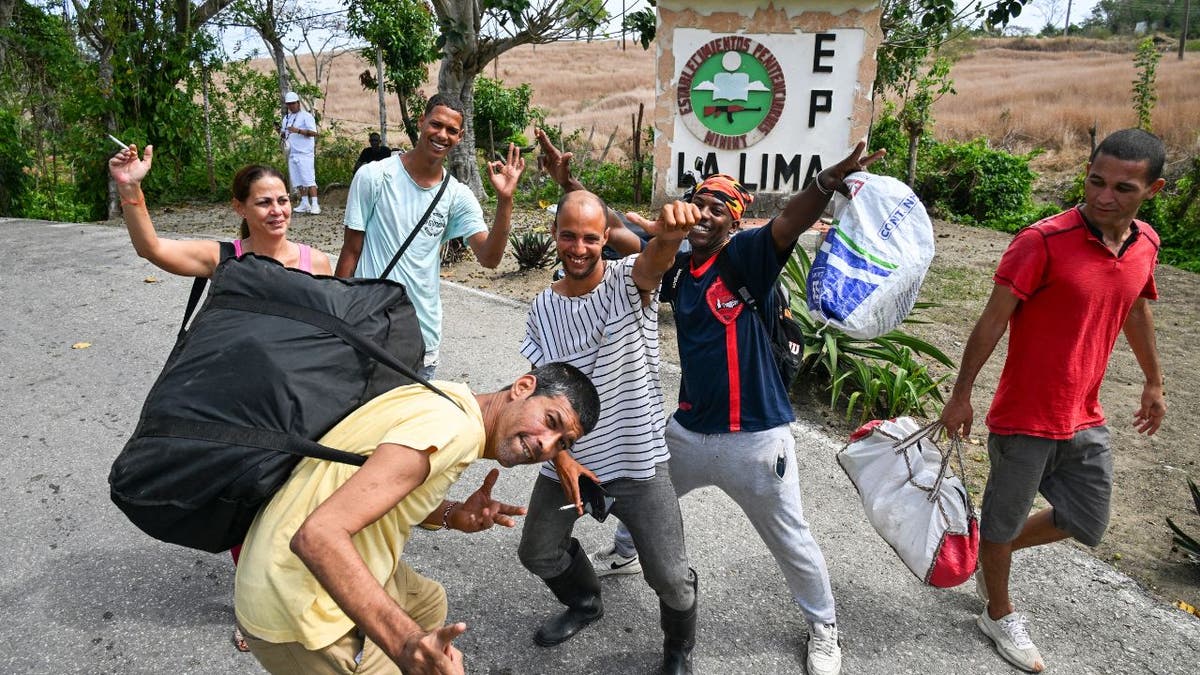
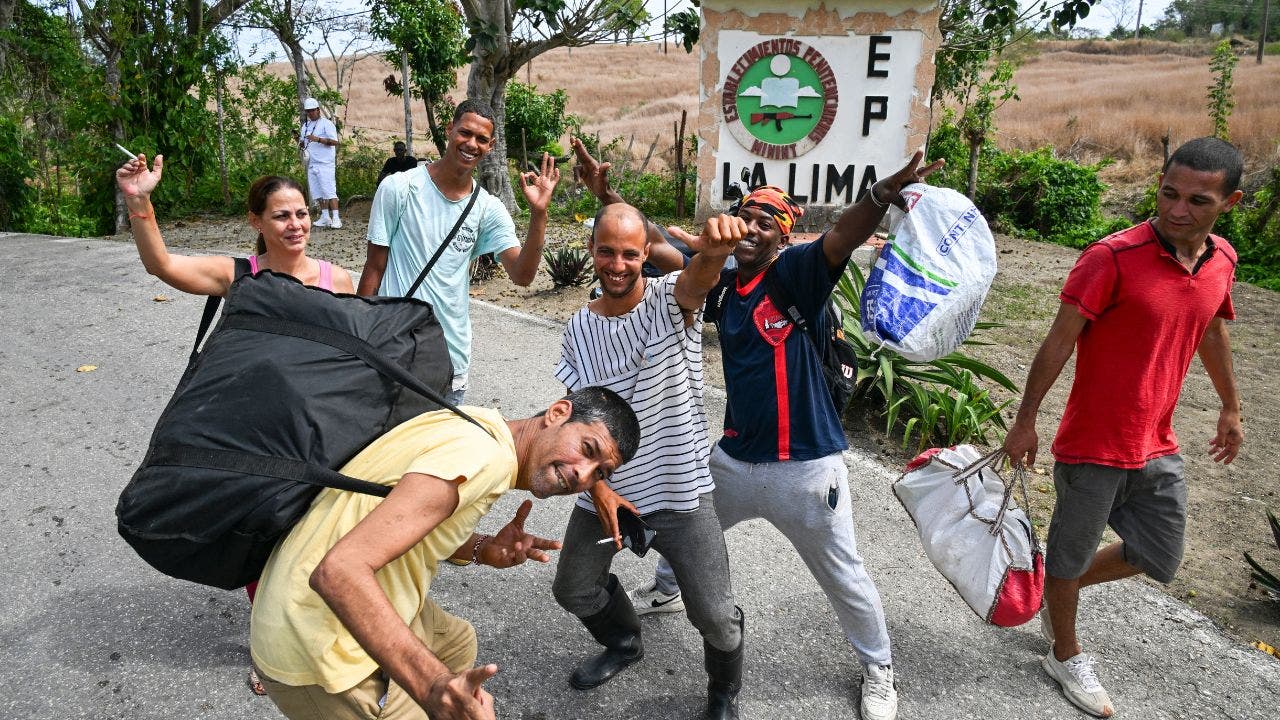
On April 3, 2026, inmates joyfully exited La Lima prison in Havana, celebrating their newfound freedom after the government revealed its decision to pardon them amid increasing U.S. pressures.
The released prisoners encompass a diverse group, including young individuals, women, senior citizens, as well as foreign nationals and Cuban expatriates who were detained in Cuba.
The authorities clarified that the pardon excludes individuals convicted of grave offenses such as murder, sexual assault, violent robbery, drug-related crimes, and corruption of minors, along with repeat offenders.
The move marks the second prisoner release this year and comes during Holy Week, which Cuban officials described as a customary period for such actions.
The release comes as Cuba grapples with a deepening economic and energy crisis driven in part by a renewed pressure campaign from the Trump administration aimed at cutting off the island’s access to foreign oil. The restrictions have contributed to widespread fuel shortages, blackouts and growing unrest across the country.
WATCH: Cuban power blackout sparks protests as Trump hints at US intervention
President Donald Trump has threatened tariffs on any country that sends oil to Cuba and has pressured nations such as Mexico to halt shipments as part of a broader effort to squeeze the island’s energy supply.
The U.S. also allowed a tanker to deliver fuel to Cuba earlier this week after months of severe shortages, with the White House framing the move as a humanitarian exception rather than a shift in policy.
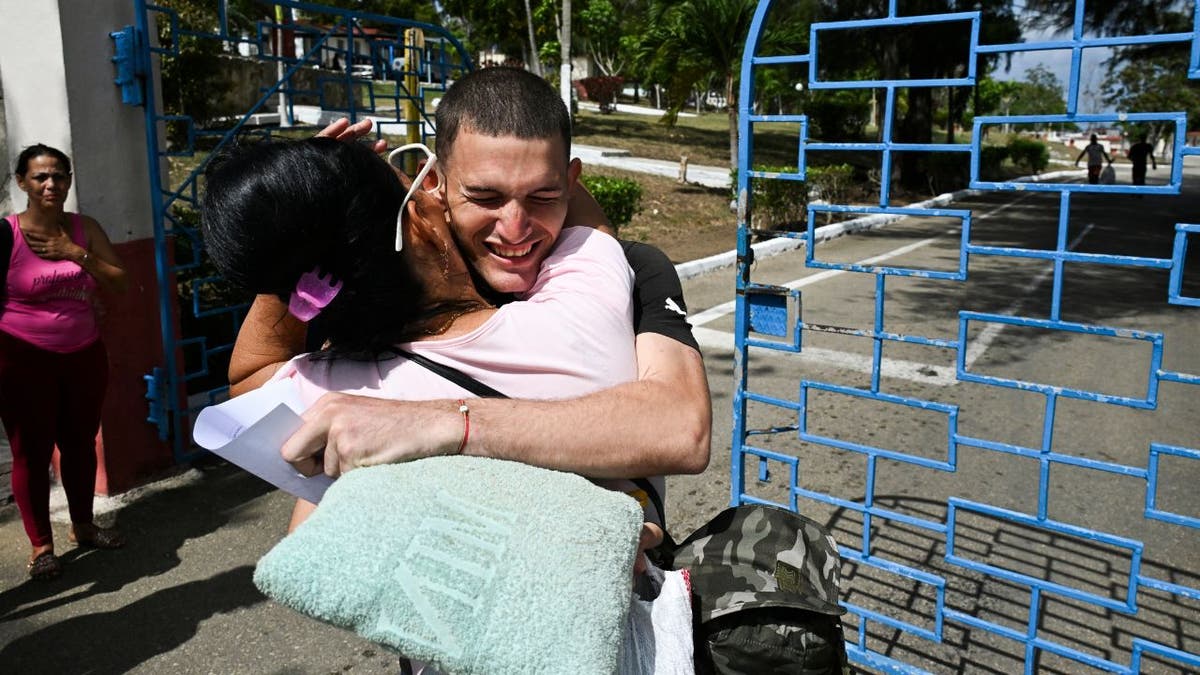
A man embraces a loved one after being released from La Lima prison in Havana on April 3, 2026, as Cuba began freeing more than 2,000 inmates. (Yamil Lage/AFP via Getty Images)
Trump has also escalated his rhetoric, recently saying “Cuba’s next” while discussing U.S. actions abroad, though he later sought to downplay the remark.
The deepening crisis has also sparked protests and clashes across the island.
Cuba has been under communist rule since Fidel Castro’s 1959 revolution, and is now led by President Miguel Díaz-Canel, who succeeded Raúl Castro in 2018.