
Share this @internewscast.com

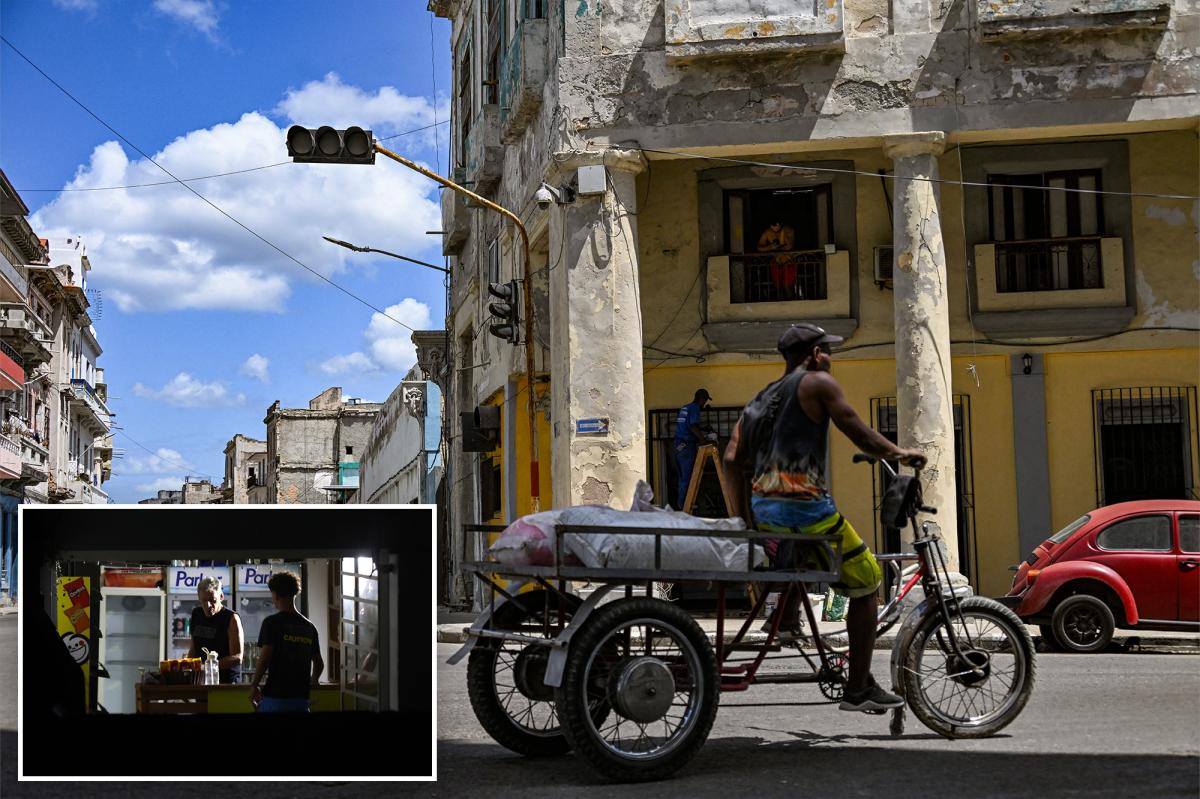
HAVANA (AP) — On Monday, Cuban authorities announced a nationwide power outage affecting the island’s 11 million residents, highlighting the country’s escalating energy and economic challenges. Cuba attributes these difficulties to a U.S. energy blockade, which followed President Donald Trump’s January warning of imposing tariffs on nations supplying oil to Cuba.
The Ministry of Energy and Mines, via X, confirmed a “complete disconnection” of the national electrical grid and stated investigations were underway to determine the cause.
President Miguel Díaz-Canel recently disclosed that Cuba has not received oil deliveries for over three months. The country has been relying on solar power, natural gas, and thermoelectric plants to manage its energy needs, leading to the postponement of surgeries for tens of thousands of patients.
Just over a week ago, a severe blackout hit the western part of the island, leaving millions without electricity.
Vital oil supplies from Venezuela ceased following U.S. actions against the South American nation in early January and the arrest of its then-president, Nicolás Maduro.
Although Cuba generates 40% of its own petroleum and has been producing its own electricity, the output remains insufficient to satisfy demand, especially as the aging electric grid continues to deteriorate.
On Friday, Díaz-Canel confirmed that Cuba was holding talks with the U.S. government as the problems continue to deepen.