
Share this @internewscast.com

As the clock strikes midnight, Zohran Mamdani will be sworn in as New York City’s new mayor, succeeding Eric Adams amidst a backdrop of controversies and following the tenure of Bill de Blasio.
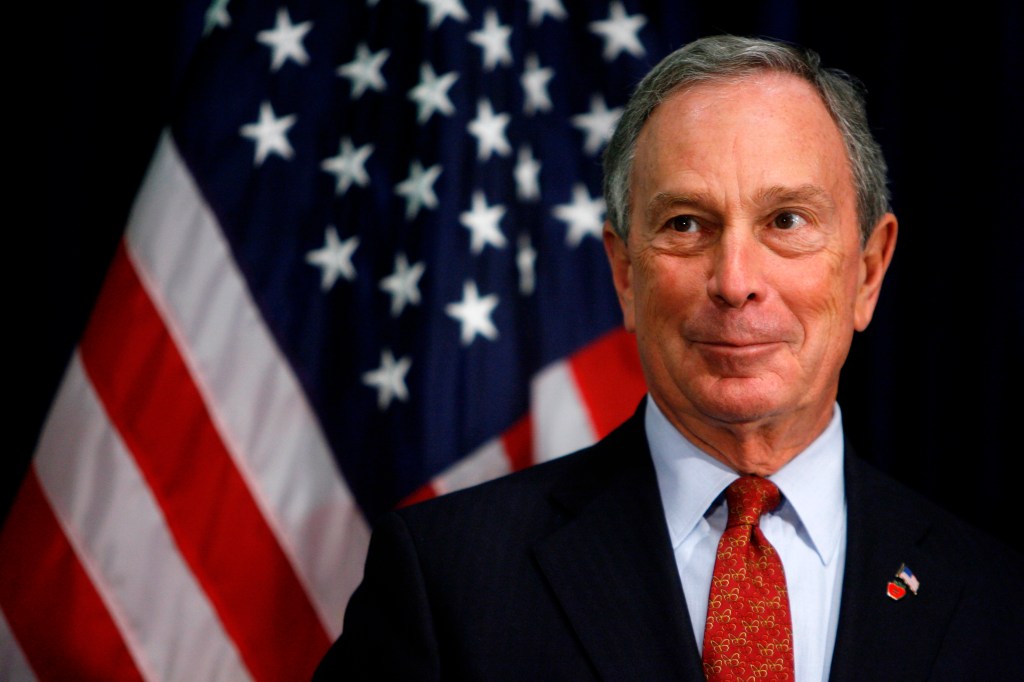
This transition also coincides with the 12-year mark since Mike Bloomberg’s era as mayor ended. Bloomberg’s time out of office now equals his time in, offering a clear perspective on his achievements for those with an objective view.
Under Bloomberg’s leadership, New York was a city marked by strength, safety, and economic growth. However, his reliance on data-driven policies and substantial personal wealth made him unpopular among progressive circles, with many New Yorkers taking the prosperity of his administration for granted. The subsequent missteps of the past two administrations may reignite appreciation for Bloomberg’s legacy while setting expectations for Mamdani’s incoming leadership.
Bloomberg assumed office shortly after the devastating 9/11 attacks, a period when Rudy Giuliani, known as America’s Mayor, had just halved crime and welfare over his eight-year tenure. Building on this foundation, Bloomberg was instrumental in New York City’s recovery and transformation.
His economic achievements were substantial: he facilitated the creation of nearly half a million private sector jobs and spearheaded the revitalization of Lower Manhattan, making it more robust post-tragedy. Through strategic rezoning, new neighborhoods emerged, from Long Island City in Queens to Greenport and the Brooklyn Waterfront, contributing to the city’s population and tax base growth.
Bloomberg also launched innovative employment initiatives, transitioning nearly 900,000 people from welfare to work. He introduced an earned income tax credit, channeling $860 million into working families’ pockets, and oversaw the financing of over 160,000 affordable housing units, encompassing both new developments and preservation projects.
Yes, crime continued to fall from its more than 2,000 murders a year average in the early 1990s under David Dinkins and the concurrent crack epidemic. But after the spike in crimes and declining quality of life around COVID, New Yorkers may have renewed appreciation for the fact that under Bloomberg murder declined 42% while major felony crime fell 36%. In addition, he took a national leadership role against illegal guns, which led to firearm deaths decreasing 30%. But contrary to partisan perceptions, incarceration rates fell by nearly 40% while crime was decreasing — while subsequent bail reform excesses strained common sense led to increased crime, especially lower-level thefts.
Also during the Bloomberg years, NYC led on public health by taking positions that were controversial at the time. Bloomberg’s smoking ban was enacted in 2003 — leading to a 50% decrease in teen smoking and helping boost overall life expectancy in the city by three years — higher than the national average.
Perhaps the greatest record came in the always contentious realm of education. After taking control of the public school system from the Board of Education, Bloomberg more than doubled funding for schools from under $6 billion to $13.6 billion. The on-time high school graduation rate increased by more than 40% to a record-high of 66%. Chronically failing schools were closed and more than 650 new schools were opened, including charter schools and smaller district high schools. Higher education flourished as well, with CUNY doubling its associate degree completion rate and a 99-year lease for the Cornell Tech campus on Roosevelt Island.
In contrast to the current administration, Bloomberg’s three terms in City Hall were not marred by corruption scandals. He hired excellent managers free from partisan cronyism, gave them freedom to act as the forward-looking CEOs of their agencies and his performance-based loyalty was rewarded by high retention rates.
New York did not become some kind of utopia under Bloomberg. Perfect is never on the menu. But the stubborn myth of New York as an “ungovernable city” where decline could just be managed was discarded by anyone paying attention.
Public policy successes on this scale should be built upon, not dismantled. But many of the Bloomberg gains were reversed by de Blasio, often for ideological reasons. New York’s experiment in backing off quality of life policing proved so counterproductive, that it was restored by Police Commissioner Jessica Tisch. Many of Mamdani’s campaign policy commitments — such as ending mayoral control of public schools — threaten to derail hard won gains.
Bloomberg showed that the most effective mayors are non-ideological problem solvers. As we begin this new era and wish Mamdani success, a look back at the Bloomberg record should remind us all that New Yorkers have a right to expect a city that is run efficiently and effectively, where crime is falling, quality of life is rising and the economy is growing.
Avlon is the chairman of Citizens Union, fighting for reform in New York for more than a century.