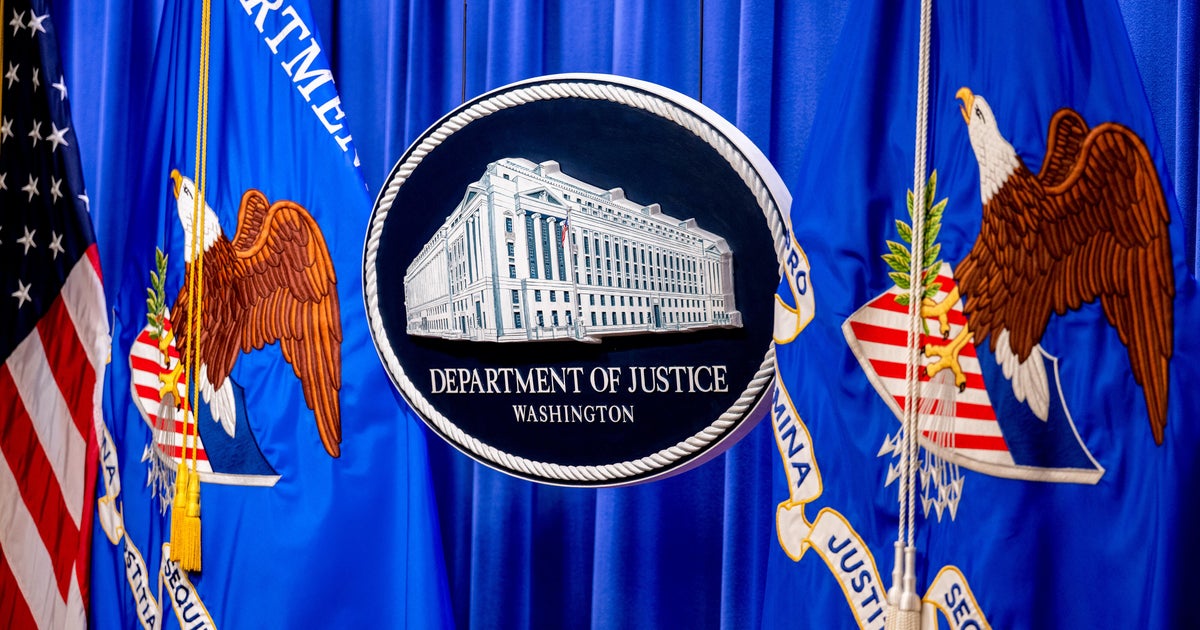
Washington — In a significant move, the Justice Department has taken aim at the Equal Employment Opportunity Commission (EEOC), accusing it of breaching federal civil rights laws. The department contends that the EEOC’s guidelines inadvertently compel employers to factor race into their hiring and promotion decisions.
A recent legal opinion from the Office of Legal Counsel has questioned the constitutionality of the “disparate impact” theory. This theory suggests that employers can be held accountable for discrimination if their policies disproportionately affect protected groups, such as those based on race, ethnicity, or gender.
The opinion, endorsed by OLC Assistant Attorney General T. Elliot Gaiser and OLC Deputy Assistant Attorney General Joshua Craddock, argues that the theory inherently pressures employers into making decisions based on race to avoid potential liability. “Disparate-impact liability tends to incent — and even coerce — employers to make race-based decisions to avoid liability or the threat of liability,” the opinion states.
While this opinion does not equate to a court ruling, it is expected to complicate the process for employees seeking to file discrimination claims with the EEOC, potentially affecting the success rate of such claims.
Moving forward, the Justice Department has indicated that employers can employ tools like aptitude tests and criminal background checks without the fear of facing discrimination claims solely based on these tools’ effects on various demographic groups.
Acting Attorney General Todd Blanche, recently nominated for the position permanently by President Trump, remarked, “Ironically, the EEOC’s interpretation of disparate impact liability under Title VII promotes the very discrimination it aims to eliminate.”
“This opinion will now allow businesses to hire based on performance, restoring equal opportunities in the American workplace,” he said.
In a statement from the EEOC provided to the press by the DOJ, EEOC Chair Andrea Lucas lauded the finding, saying: “We believe this opinion will provide clarity regarding the Constitutional limits of disparate impact in employment discrimination matters.”
Some former Civil Rights Division lawyers staunchly disagreed with the Justice Department’s legal opinion on Tuesday.
“For over 50 years, the EEOC has relied on disparate impact to address some of the most troubling and egregious civil rights violations. Disparate impact is a vital tool in rooting out patterns of discrimination and unlawful conduct,” said Johnathan Smith, a former deputy assistant attorney general in the Civil Rights Division who is now a managing director at the National Center for Youth Law.
“Courts, including the Supreme Court, have long recognized the lawfulness of disparate impact and the important role it plays in ensuring equal opportunity,” he added.
Stacey Young, a former Civil Rights Division lawyer who founded and leads the group Justice Connection, said “[d]iscriminatory outcomes don’t always result from explicit animus, which is why disparate impact liability has been a cornerstone of civil rights enforcement for decades.”
“Requiring plaintiffs in all civil rights cases to demonstrate discriminatory intent is contrary to Supreme Court law, and will lead to a sharp increase in unchecked discrimination,” she said.
The OLC’s opinion marks the latest attack by the Justice Department on the legal theory, which historically has been used by the department and other government agencies in a wide variety of civil rights cases involving matters like housing and public education.
In December, the Justice Department published a final rule effectively ending disparate impact liability under Title VI of the Civil Rights Act of 1964, which prohibits discrimination based on race, color and national origin in any program or activity that receives federal financial assistance.
In a statement at the time the rule was issued, Assistant Attorney General Harmeet Dhillon, who leads the Civil Rights Division, claimed that the legal theory was paving the way for people to file lawsuits challenging “neutral policies” without providing any evidence of intentional discrimination.