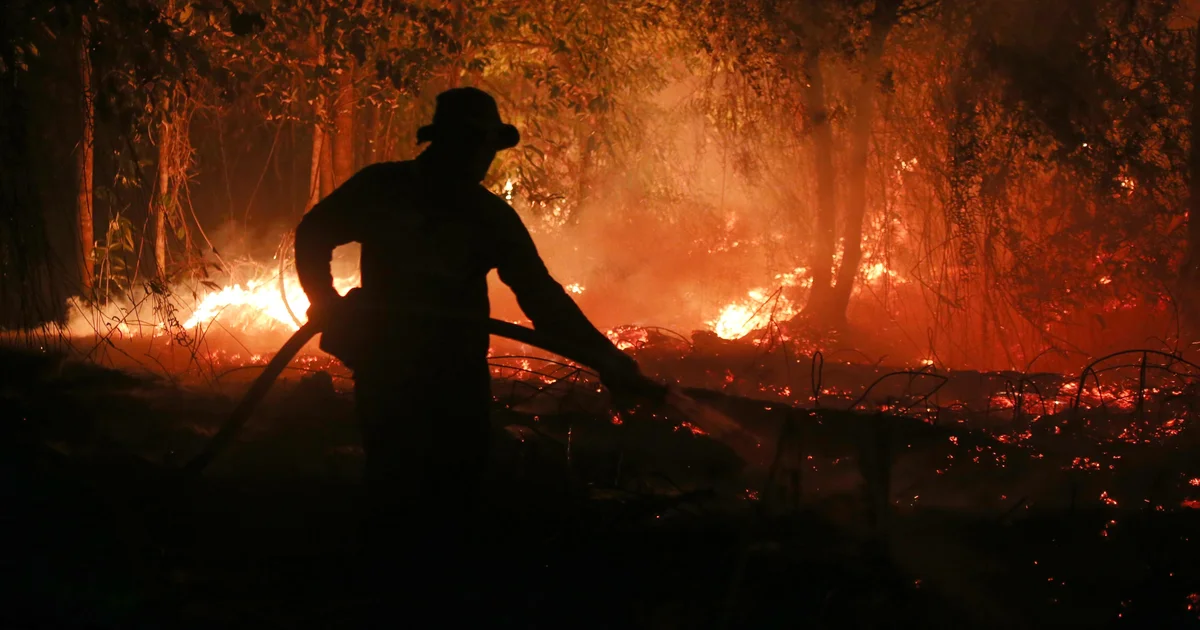

As many as 451,000 additional people could die from extreme heat during the first nine months of the current El Niño compared with an average year, according to a report by the University of Chicago’s Climate Impact Lab.
The projected deaths would come on top of the effects of drought, wildfires and flooding linked to rising temperatures and changing rainfall patterns, the research group said in a news release Wednesday. The risks could intensify if this El Niño develops into the strongest on record.
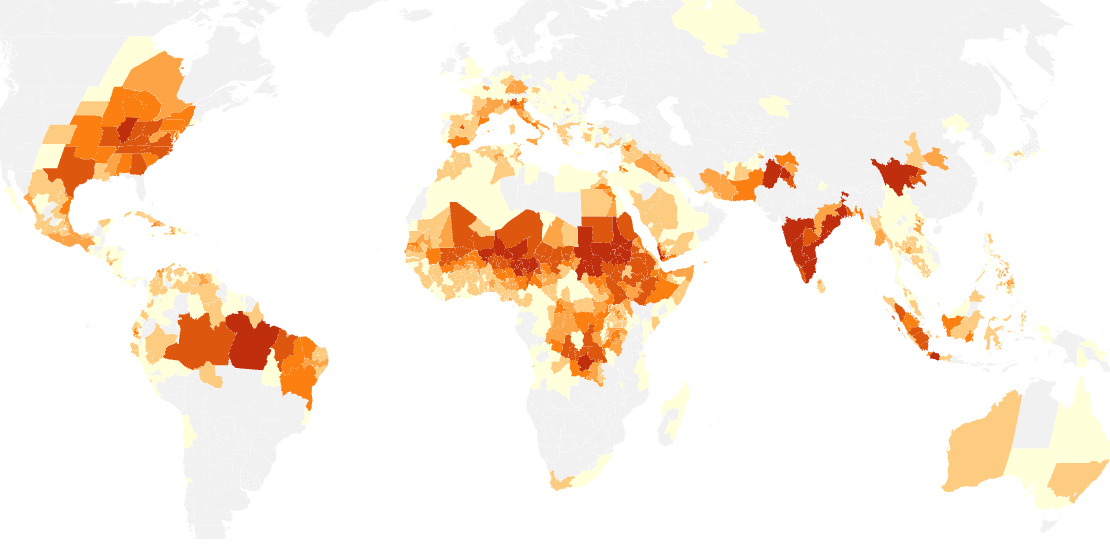
Map shows which regions face highest risks
The Global South is expected to bear the heaviest burden. Researchers estimate that Nigeria, Sudan, Niger and Chad could suffer more than 65,000 heat-related deaths combined. The Philippines, Vietnam, Thailand, Cambodia and Indonesia may record nearly 40,000 deaths collectively, while Brazil and India could also face substantial losses.
Climate Impact Lab
The global projection can be difficult to grasp, but every death represents “parents and children, grandparents and neighbors, people going to work, caring for families, and living their lives,” Michael Greenstone, a Climate Impact Lab cofounder, said in a statement.
El Niño is a climate pattern partly defined by unusually warm ocean temperatures in a section of the equatorial Pacific. Its influence on weather varies by location, but the phenomenon can bring intense heat, drought and flooding to some regions. Those conditions may become more severe when El Niño is especially strong, as it is this year.
Meteorologists have cautioned about the current El Niño’s potentially historic effects since it emerged at the beginning of summer. Earlier this month, the World Meteorological Organization forecast that the event could become the strongest ever recorded, with its most serious impacts yet to come.
AP Photo/Regina Safri, File
The U.N. agency said the “supersized” El Niño may not reach peak strength until near the end of 2026. The U.S.-based Climate Prediction Center expects the pattern to continue through the Northern Hemisphere’s winter and potentially into spring.
Greenstone said the Climate Impact Lab’s findings show decision-makers where emergency measures could save tens of thousands of lives in the months ahead. The projections may also help humanitarian groups determine where to direct emergency funding and other support. The report highlighted heat alerts, health outreach for vulnerable communities, cooling centers, hydration stations, worker protections and greater healthcare capacity as measures that can help people withstand extreme heat.