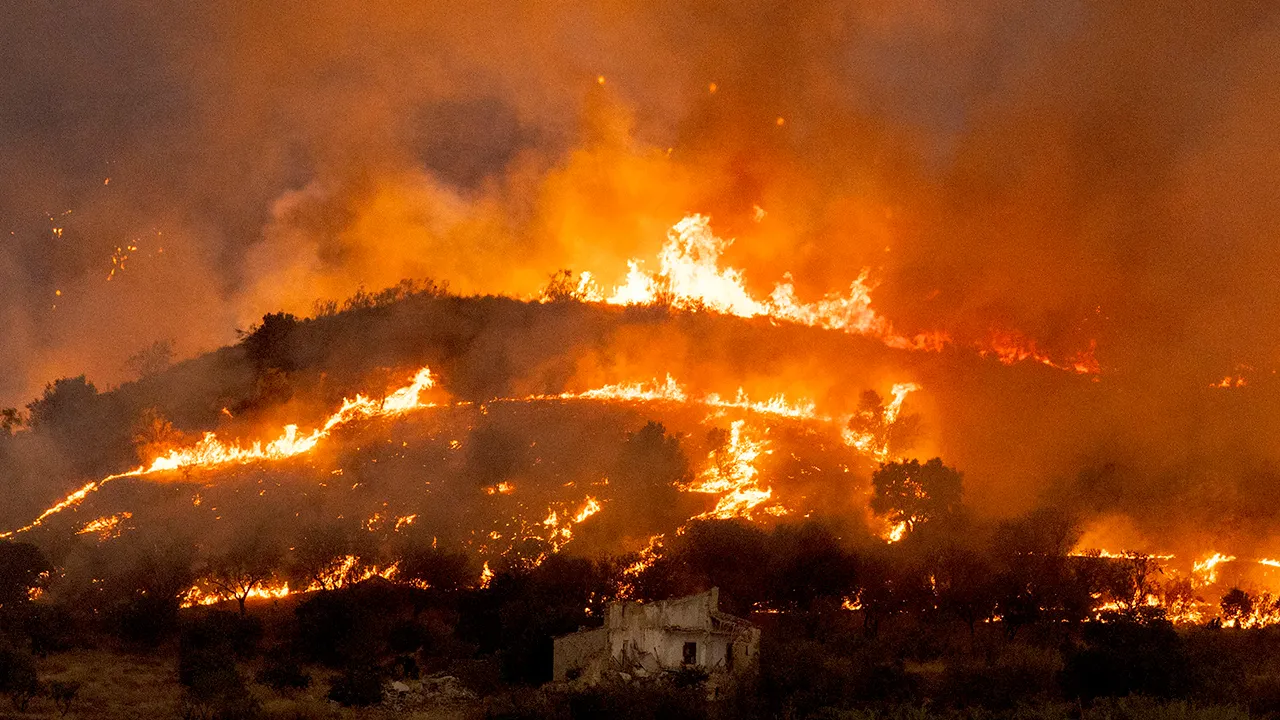

France and Spain have been battling major wildfires since the start of the month, with some scenes described as apocalyptic. The flames have torn through forests and buildings as a punishing European heat wave pushed temperatures to record levels across parts of the bloc. The extreme heat has already been linked to thousands of deaths, but officials and experts say the wildfire crisis cannot be blamed on weather alone.
One of the most high-profile blazes erupted last week in the famed Fontainebleau Forest near Paris, scorching 2,000 hectares, or 4,942 acres, of woodland. Around 1,000 people were forced to evacuate, and 850 emergency firefighters were sent to the area. Authorities warned that fully extinguishing the fire could take weeks.
According to the latest figures from France’s Ministry of Agriculture, human activity is responsible for nine out of 10 wildfires in the country. Campfires, discarded cigarettes and other forms of negligence are often to blame. This year, those risks have been intensified by extreme heat in France and Spain, where dry scrub and grassland have become highly flammable. Both countries also have rules limiting the clearing of some protected land, based on information from each nation. “Policies of nature restoration and building have made it hard in some cases to clear the brush that piles up,” Daniel Lacalle, chief economist at Madrid-based investment company Tressis, told INC News.
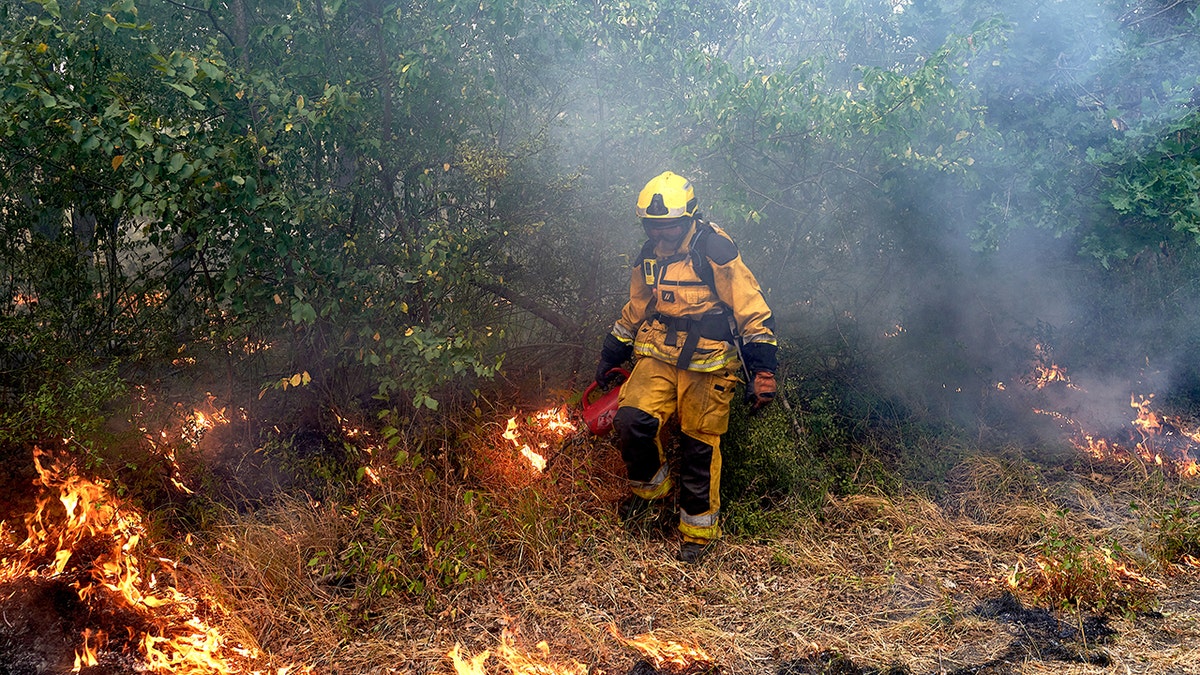
Firefighters carry out a controlled burn to create a firebreak in the Fontainebleau Forest on July 15, 2026, in Fontainebleau, France. Crews said they had contained the blaze, which began July 12, 2026, in the former royal hunting preserve. Police believe the fire was started deliberately, and it has burned thousands of acres. (Pierre Crom/Getty Images)
The pattern is similar in the United States. Data from the National Interagency Fire Center and the U.S. Forest Service shows that people cause about 85% of U.S. wildfires. However, lightning-sparked fires often burn more acreage overall because they tend to start in remote areas that are difficult for crews to reach.
French Interior Minister Laurent Nuñez said investigators identified 10 ignition points within a radius of a little more than half a mile, France Insider reported. That pattern, he reportedly said, “suggests a voluntary origin.”
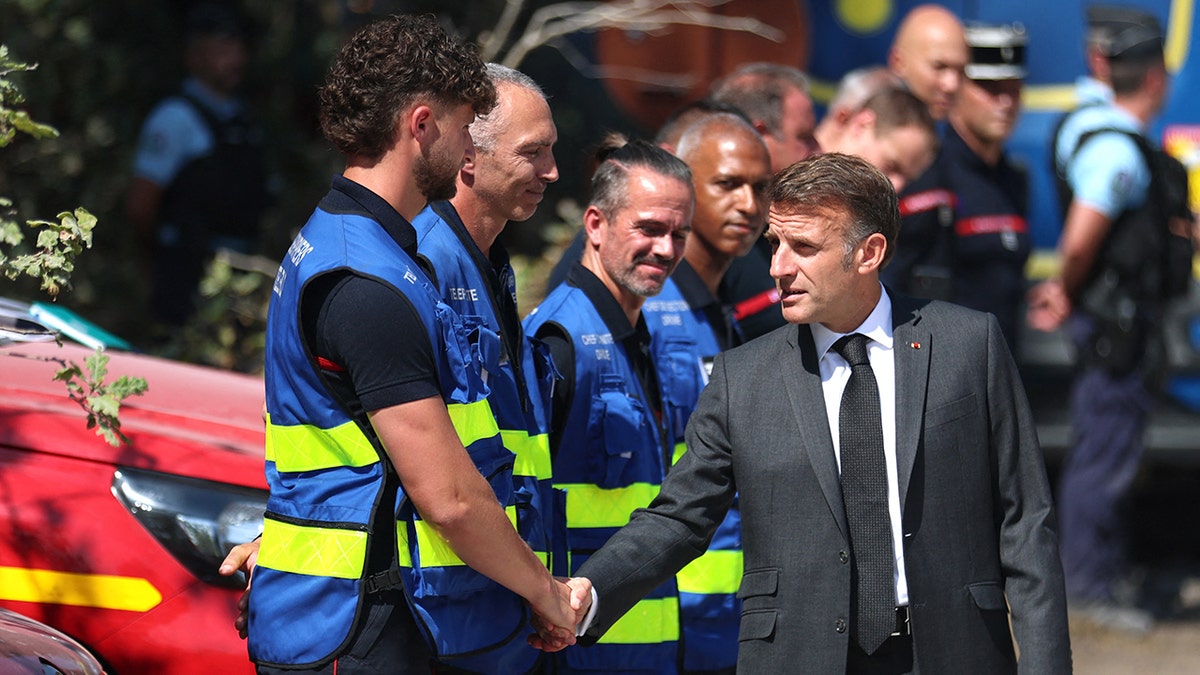
French President Emmanuel Macron greets firefighters at their central command site after a fire in the Fontainebleau Forest, in Noisy-sur-Ecole, in the Ile-de-France region near Paris, on July 16, 2026. (Mohammed Badra/Pool/AFP via Getty Images)
France 24 reported that dozens of people have been arrested nationwide in connection with fires started either accidentally or intentionally. During a visit to the Fontainebleau Forest last week, French President Emmanuel Macron said France “has never faced so many outbreaks of fire across the country since the end of World War II.” He added, according to France 24, that “here, as everywhere else in France, there will be zero tolerance” for arsonists, “because it is, of course, our national territory that is under attack every time a fire breaks out.”
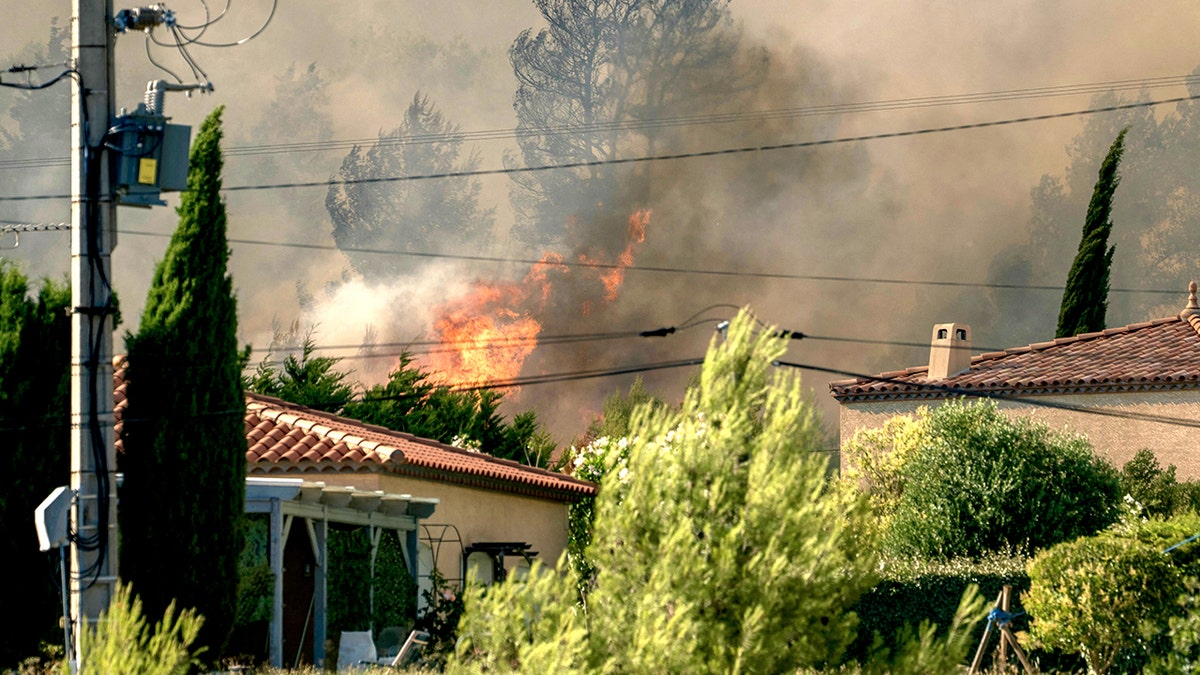
This photograph shows a wildfire raging near houses in Pouzols-Minervois, southwesternFrance, on July 2, 2026. Hundreds of firefighters are battling wildfires in the south that are being fueled by wind, drought and heat. The largest fire is in the Aude department, but there are also fires north of Marseille, where the prime minister is expected to chair a new inter-ministerial crisis task force. (Idriss Bigou-Gilles/AFP via Getty Images)
Meanwhile, Spain has been dealing with three separate wildfires, one of which has been stopped. A fire in Zaragoza destroyed 12,000 hectares (29,653 acres) and resulted in the evacuation of six separate villages. Fires in Madrid and Guadalajara impacted at least 2,000 people. “The speed of these fires is something that even the most experienced firefighters are saying they have never seen anything like this,” Lacalle told INC News.
A fire in the Spanish Andalusia region killed at least 13 people, including a 93-year-old woman who was injured in the fire at Los Gallardos.
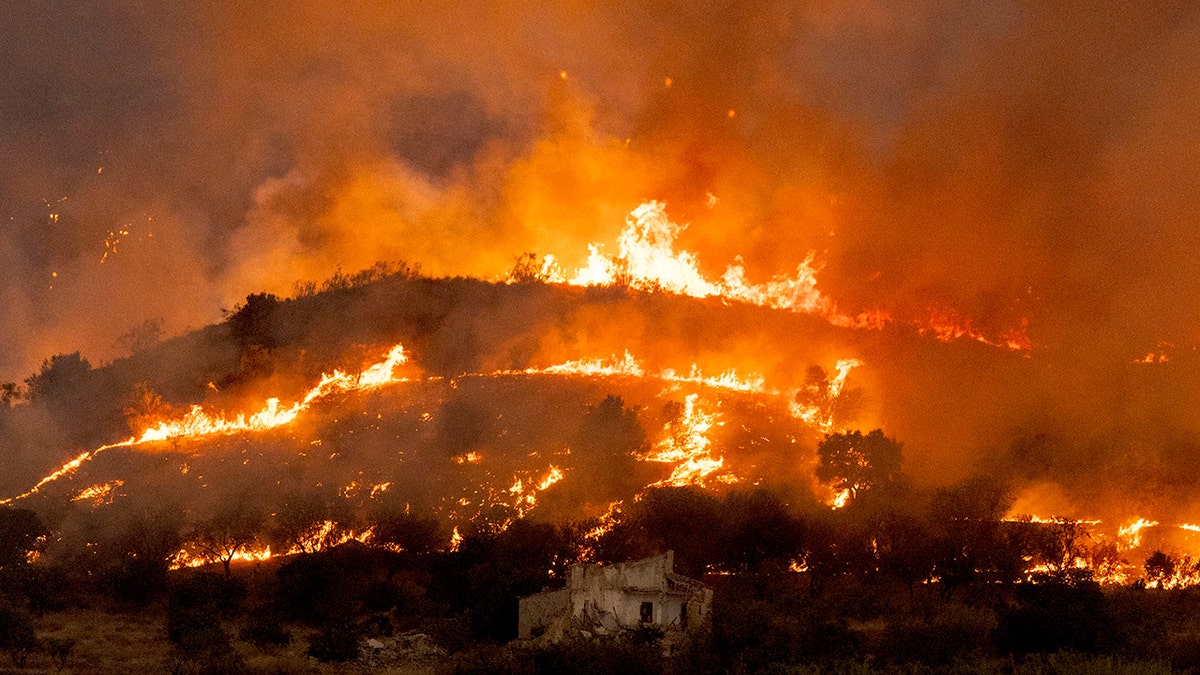
Flames and smoke rise from a wildfire near the municipality of El Pocico on July 10, 2026, in Almeria, Spain. Emergency crews continue to battle the wildfire in Spain’s southern province of Almería that has killed at least 11 people, with 19 to 23 others still reported missing. (Pablo Blazquez Dominguez/Getty Images)
Spain has vast areas of unused land with most of the population living in cities. “Some unused areas have not been cleaned up,” Lacalle told INC News. “Because they have uncleared scrub land, there is a higher likelihood of a disastrous fire.” That uncleared scrub that gets dried out by an extreme heat wave effectively creates a tinderbox that ignites quickly, even with a partially smoked cigarette.
The number of people exposed to wildfires has grown by an average of 382,700 per year during the period from 2002 to 2021, an increase of 40%, according to a study by the University of East Anglia in England. The study says, “This surge in human exposure was driven mainly by population growth and migration into fire-prone landscapes.” Over the same period, the amount of land burned decreased by 26%, according to the UEA study.
Separately, the extreme heat across France over the last month has caused a high death rate. The Guardian reported that some 2,000 people died at the end of June. The heat wave is forecast to continue through August.
France is the epicenter of the excessive heat, which has resulted in many outdoor events being canceled, especially in the south of the country. “Europe is being hit by a unique situation,” Shawn Hackett, president of Hackett Financial Advisors, told FOX News Digital. “The extreme heat and dryness are mainly being driven by the warm surface in the Mediterranean Sea and the cold-water Atlantic.” And that situation of warm dry weather will continue into August.