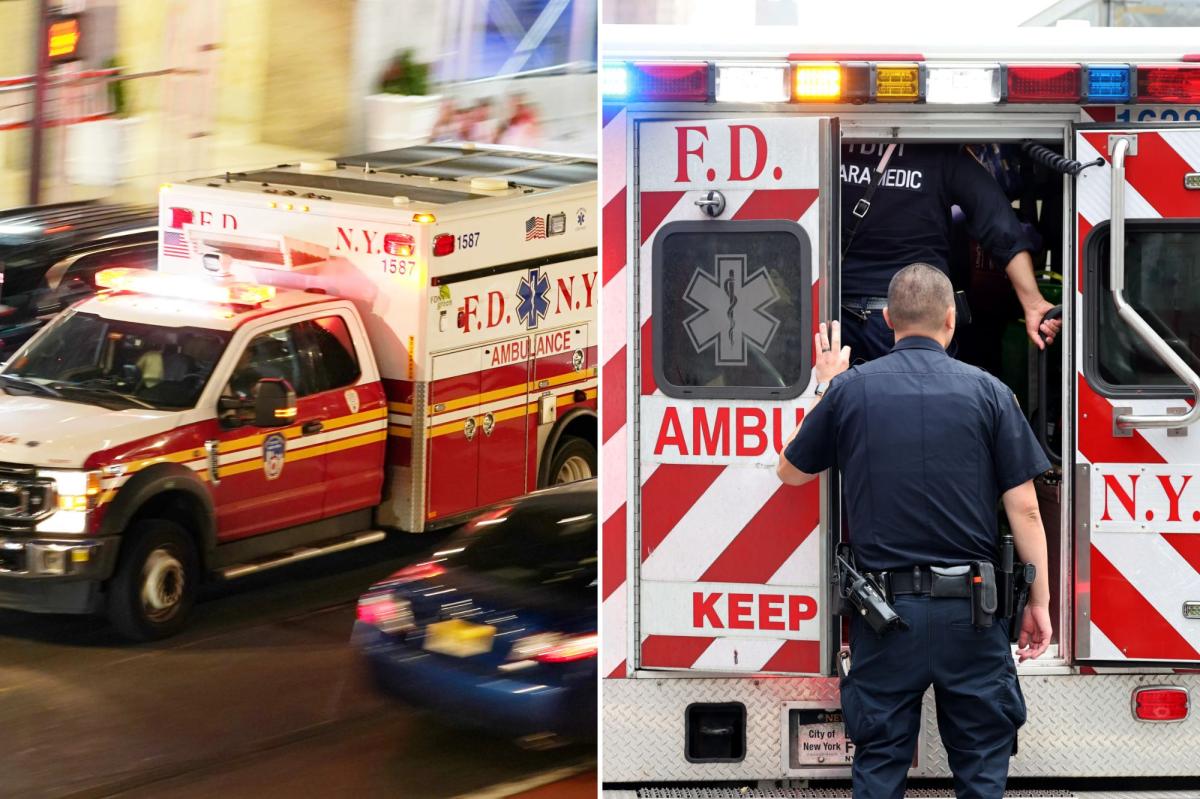


Brace yourselves for a financial jolt: rising costs for ambulance and emergency medical services could soon hit New Yorkers. The FDNY is contemplating a significant hike in these fees, with inflation and anticipated wage increases for union workers cited as the main drivers of this potential surge.
If approved, the cost of an ambulance ride via the 911 system could escalate by a staggering 29%, while fees for “treatment in place” services might see an even steeper climb of 42%.
In a formal statement, the FDNY explained, “The Fire Department is proposing this rule due to increased costs and to alleviate the financial burden on the City for providing these essential services.” The statement further clarified that the suggested rates aim to address the rising costs associated with providing emergency ambulance services. This adjustment seeks to lessen the financial load currently shouldered by taxpayers.
The impetus for this proposed increase is partly tied to the expired labor contract for EMS workers, with salary raises anticipated in any forthcoming agreement. This move marks the first adjustment in medical transport fees since they were last revised in May 2023.
“The proposed rates reflect increases in personal services costs and other than personal service costs required to provide emergency ambulance services and have been calculated to reduce the portion of such costs that is currently borne by City taxpayers.”
The labor contract for EMS workers is expired and raises are expected under any new contract. It’s be the first increase in medical transport fees and services was imposed in May 2023.
The cost of a normal or a “basic life support” ambulance ride would spike from $1,385 to $1,793 under the change, while “treatment in place” service provided by ambulance medics would jump from $630 to $896.
Fees for advanced life support service Levels 1 and 2 would increase by 30.7%.
Level 1 life support trips would increase from $1,680 to $2,196 and Level 2 would surge from $1,692 to $2,012.
The charge per mile for the trip to the hospital will remain at its current $20.
Administering oxygen costs $66.
There is no settled labor contract between the FDNY and EMTs and paramedics, but the deparment is calculating an increase in labor costs based on the collective bargaining agreements or “pattern” set with the unions representing other city workers.
“The rates do not necessarily reflect the amounts accepted by the Fire Department as payment for ambulance treatment and transport services from government and private health insurance plans,” the department said.
The unions representing ambulance workers and supervisors released a statement slamming a wage gap, where EMS workers are paid less than firefighters and other uniformed first responders, which contributes to a staffing crisis and longer response times.
“The City may be increasing what it charges for ambulance service, but unless it addresses the massive pay disparities for EMTs and paramedics — who are mostly Black, Hispanic, and women — it won’t have enough trained medical personnel to operate or provide emergency care on those ambulances,” union leaders Oren Barzilay and Vincent Variale said in a statement.
Barzilay is president of Local 2507, which represents EMTs, paramedics and inspectors while Variale heads Local 621 of the Uniformed Emergency Medical Service Officers Union.
“Outrageous pay disparities are forcing EMS workers to leave the service because they simply cannot survive on their current pay,” they said in the statement. “1,500 medical first responders – 37% of the workforce – are projected to quit the service in 2026. And because EMS is hemorrhaging personnel, response times are up.
“The entire emergency response system is pushed to the edge, and New York City is facing a literal life-and-death crisis as a result.”
The union leaders said they are hoping Mayor Zohran Mamdani will address the pay disparity for EMS compared to other city workers.
A public hearing on the proposed increase in ambulance fees will take place on May 15.