
Share this @internewscast.com
WOODLAWN, the Bronx — The Harlem Renaissance was an explosion of Black artistic and cultural expression that provided a platform for voices previously marginalized in the broader American narrative.
Emerging in the early 20th century, this movement was propelled by Black artists, physicians, and community figures—many of whom have faded from public memory until recent efforts brought them back into the spotlight.
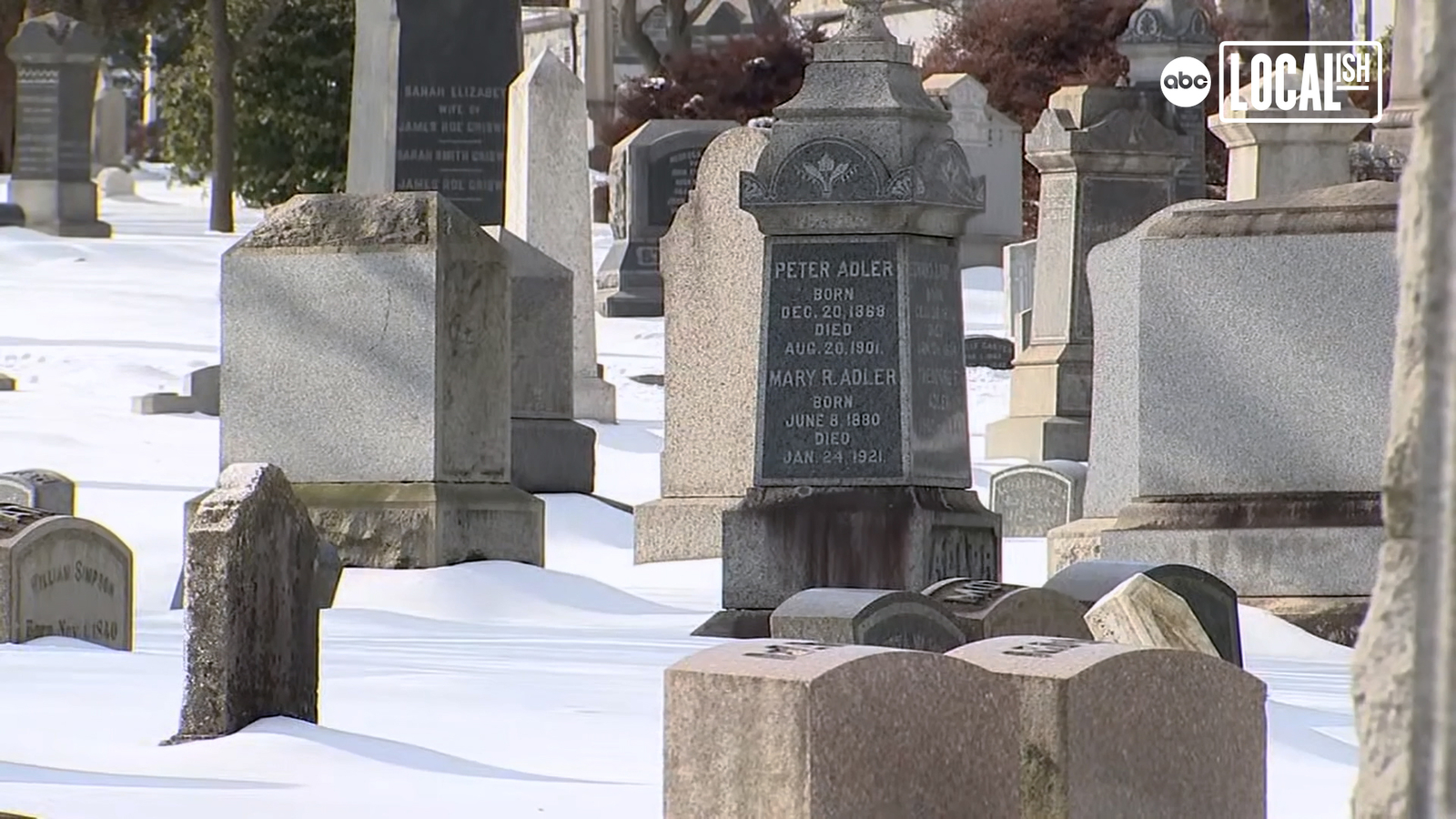
At Woodlawn Cemetery, where snow dusts the landscape, local historians are rediscovering these long-overlooked stories, hidden among the rows of stately headstones.
“While Woodlawn is renowned for its musicians, dancers, entertainers, and veterans, we sought to identify the less-remembered individuals who significantly contributed to the Harlem community during the Renaissance,” remarked Meg Ventrudo of the Woodlawn Conservancy.
In 2024, a $50,000 grant from the African American Cultural Heritage Action Fund enabled the Woodlawn Conservancy to delve into this exploration.
Collaborating with historians like Eric K. Washington, the conservancy has spotlighted the lives of 25 influential Black individuals interred there, bringing to light their contributions from the Harlem Renaissance era and beyond.
That includes people like David McDonough.
“He’s credited with being Americans first Black ophthalmologist and otolaryngologist,” Washington said.
Bessie Bearden is also buried there. She was a journalist.
“Much of what we know about the Harlem Renaissance is thanks to Bessie Bearden, from her regular columns for the Chicago Defender,” Washington said.
These narratives now have a new voice as part of the Woodlawn Conservancy’s “Where Harlem Rests” initiative.
The goal of the project is to take people on a guided tour of some hidden pieces of history.
“This tour will have a booklet, it will have an online component, and it will have some outdoor signage, which is something we have not yet done in Woodlawn,” Ventrudo said.
Well-known names like Duke Ellington, Miles Davis and Illinois Jacquet draw thousands of visitors to Woodlawn Cemetery each year.”I think it paints the full picture of the Harlem community that Harlem had their own newspapers, that Harlem had their own flourist, that Harlem had their own undertakers,” Ventrudo said.
The work to illuminate the history only scratches the surface of the countless other stories waiting to be told.
“Maybe there’s a part two in our future,” Ventrudo said.