
Share this @internewscast.com
Israeli Prime Minister Benjamin Netanyahu is scheduled to meet with U.S. President Donald Trump at the White House this Wednesday. The discussion is expected to focus heavily on Iran, as the U.S. considers diplomatic options versus potential military action, with Israel seeking to influence the direction of the talks.
President Trump has indicated that Iran will be the primary topic of conversation. In an interview with Axios, Trump noted that Tehran is eager to negotiate a deal but cautioned, “We either strike a deal, or we might have to take some very tough measures, much like we did previously.”
Before leaving Israel for Washington, Netanyahu expressed his intention to convey Israel’s stance. “I plan to present our views on the negotiation principles—key principles that are crucial not only for Israel but for anyone who desires peace and stability in the Middle East,” he told journalists.
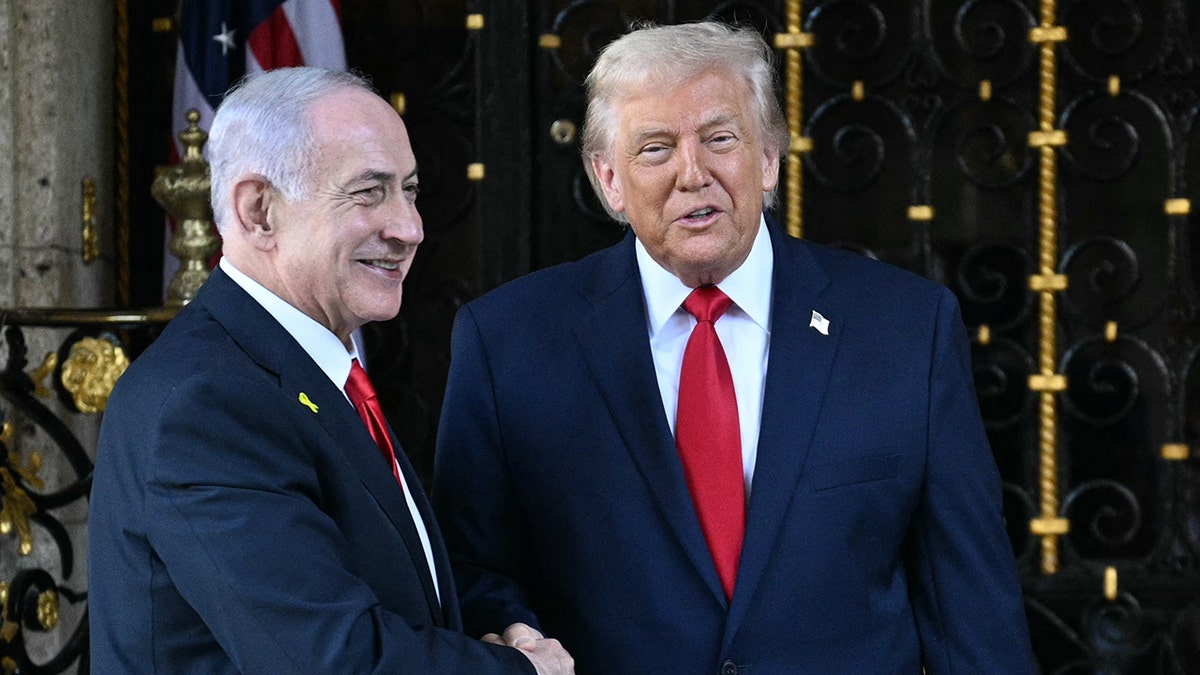
US President Donald Trump welcomes Israeli Prime Minister Benjamin Netanyahu upon his arrival at Trump’s Mar-a-Lago residence in Palm Beach, Florida, on December 29, 2025. (Photo credit: Jim WATSON / AFP via Getty Images)
This meeting follows closely on the heels of renewed U.S. and Iranian discussions in Oman, marking their first engagement since last summer’s 12-day conflict. Meanwhile, the U.S. continues to maintain a significant military force in the Gulf, which is seen as both a deterrent and a strategic leverage point in dealings with Tehran.
According to Jacob Olidort, the chief research officer and director of American security at the America First Policy Institute, the U.S. perceives Iran as a global security issue rather than just a regional one. “We are at a potentially historic moment of immense significance,” Olidort remarked to Fox News Digital.
“Iran is not so much a Middle East issue. It’s a global issue affecting U.S. interests around the world,” he added, calling the regime “probably the world’s oldest global terror network… [with] thousands of Americans killed through proxies.”
Olidort said the administration’s strategy appears to combine diplomacy with visible military pressure. “The president has been clear… should talks not be successful, the military option cannot be off the table,” he said. “Military assets in the region serve as part of the negotiation strategy with Iran.”
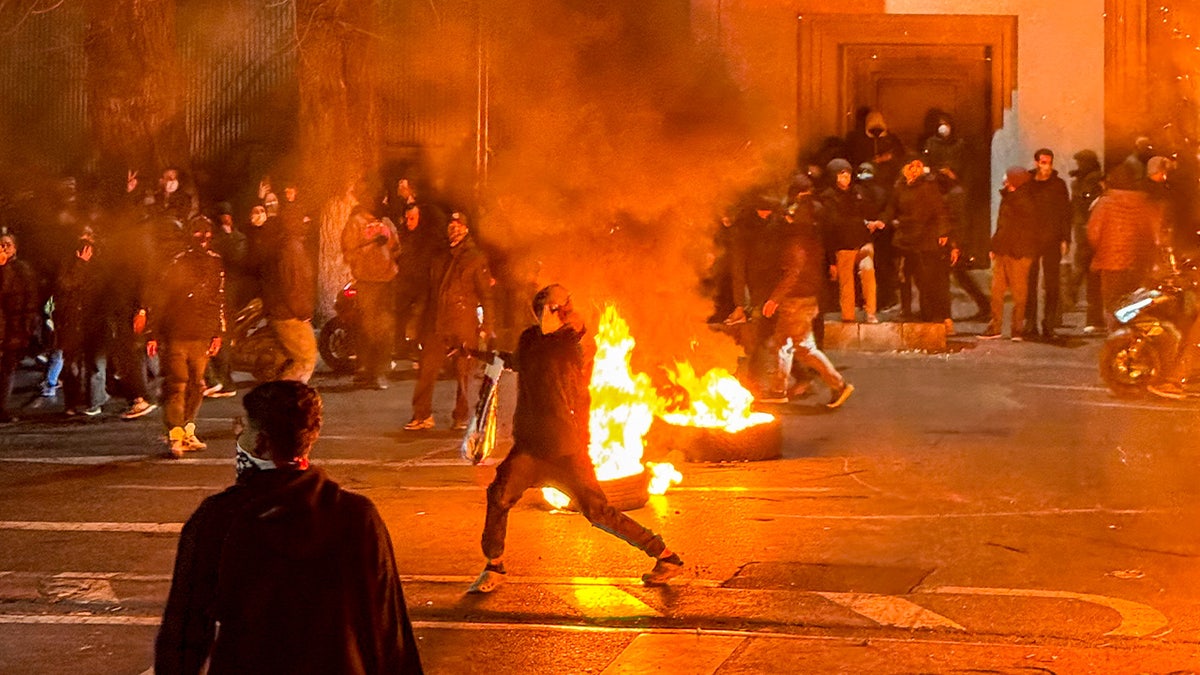
Iranians gather while blocking a street during a protest in Tehran, Iran on Jan. 9, 2026. (MAHSA / Middle East Images / AFP via Getty Images)
For Israel, the main concern is not only Iran’s nuclear program but also its ballistic missile arsenal and regional network of armed groups.
Trump indicated to Axios that the United States shares at least part of that view, saying any agreement would need to address not only nuclear issues but also Iran’s ballistic missiles.
Israeli intelligence expert Sima Shein has warned that negotiations narrowly focused on nuclear restrictions could leave Israel exposed. “The visit signals a lack of confidence that American envoys, Witkoff and Kushner, alone can represent Israel’s interests in the best way. They were in Israel just a week ago — but Netanyahu wants to speak directly with Trump, so there is no ambiguity about Israel’s position,” she added.
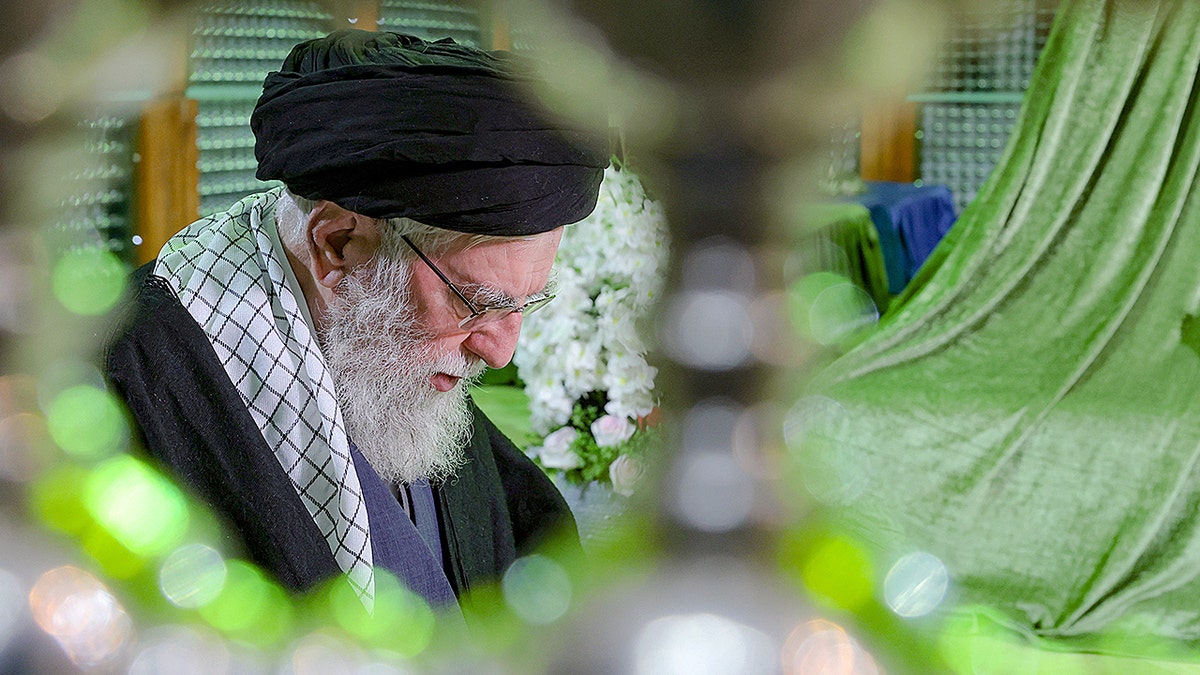
Iran’s Supreme Leader Khamenei makes first public appearance in weeks with fresh U.S. threats. (Office of the Iranian Supreme Leader Credit/ASSOCIATED PRESS)
Shein says Iran may be stalling diplomatically to see whether Washington limits talks to nuclear issues while avoiding missile constraints. Her analysis further suggests that a sanctions-relief agreement that leaves Iran’s broader capabilities intact could stabilize the regime at a moment of internal pressure while preserving its military leverage.
“An agreement now would effectively save the regime at a time when it has no real solutions to its internal problems. Lifting sanctions through a deal would give it breathing room and help stabilize it,” she said.
“If there is an agreement, the United States must demand the release of all detainees and insist on humanitarian measures, including medical support for those who have been severely injured. Washington would need to be directly involved in enforcing those provisions.”
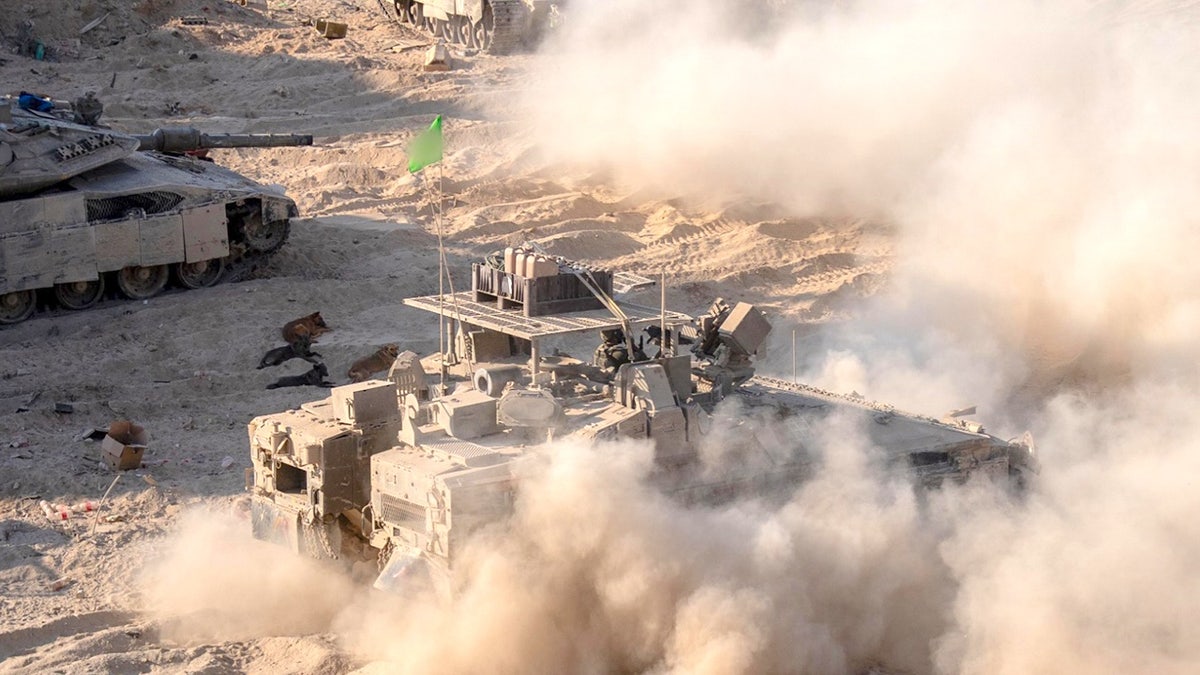
Troops from the Givati Brigade, under the command of the 162nd Division, are operating in the area of Jabaliya in the northern Gaza Strip as part of Operation “Gideon’s Chariots”. (IDF Spokesman’s Unit)
Netanyahu said before leaving Israel that he and Trump would discuss “a series of topics,” including Gaza, where a U.S.-backed postwar framework and ceasefire implementation remain stalled.
According to Israeli reporting, Netanyahu plans to tell Trump that phase two of the Gaza peace plan “is not moving,” reflecting continued disputes over disarmament, governance and security arrangements.
The timing of Netanyahu’s visit may also allow him to avoid returning to Washington the following week for the inaugural session of the Board of Peace, Shein said, noting the initiative is controversial in Israel’s parliament.
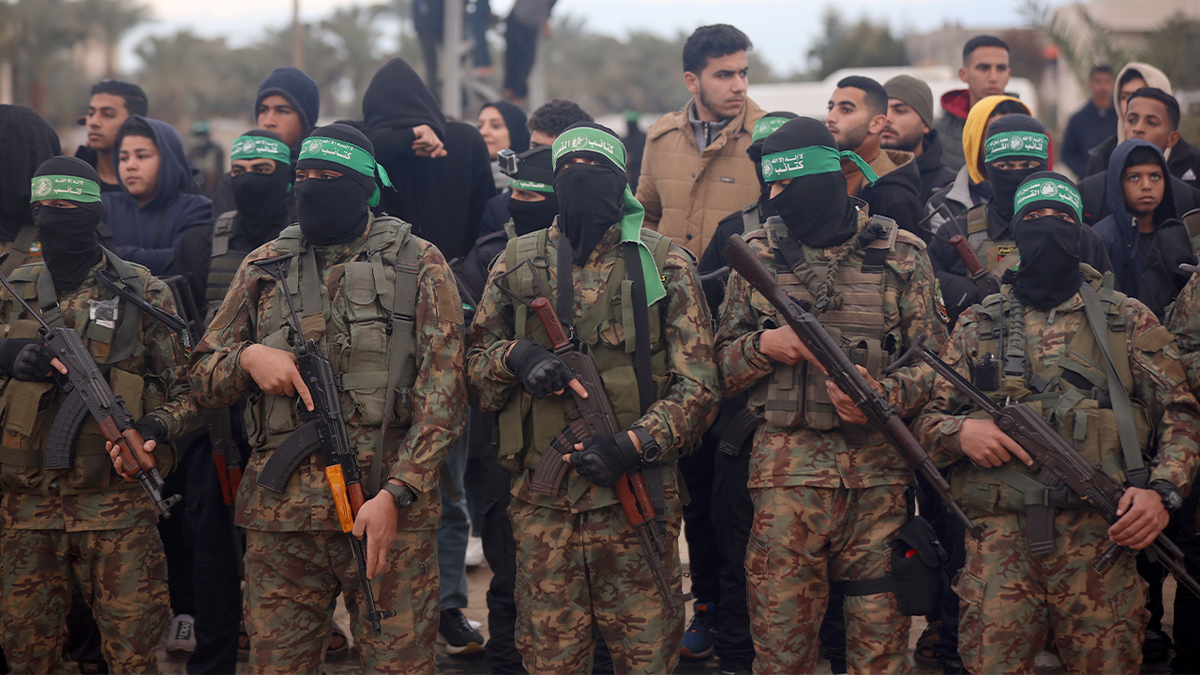
Hamas terrorists stand in formation as Palestinians gather on a street to watch the handover of three Israeli hostages to a Red Cross team in Deir el-Balah, central Gaza, on Feb. 8, 2025. (Majdi Fathi/NurPhoto via Getty Images)
“Israel is deeply concerned about the presence of Turkey and Qatar on the board of peace and their malign influence on other members as well as on the Palestinian authority’s technocratic government,” Dan Diker, president of the Jerusalem Center for Security and Foreign Affairs, told Fox News Digital.
“Hamas’s control of Gaza has not weakened, while international commitments to disarm Hamas have appeared to weaken,” he added, “The longer the U.S. waits before taking action against the Iranian regime, the more compromised Israel is in its ability and determination to forcibly disarm Hamas, both of which require the sanction and the blessing of the new international structures on Gaza.”
“The prime minister’s deep concern is the stalled state of affairs both against the Iranian regime and apparently in Gaza. Timing is critical on both fronts. And for Israel, the window seems to be closing,” Diker said.