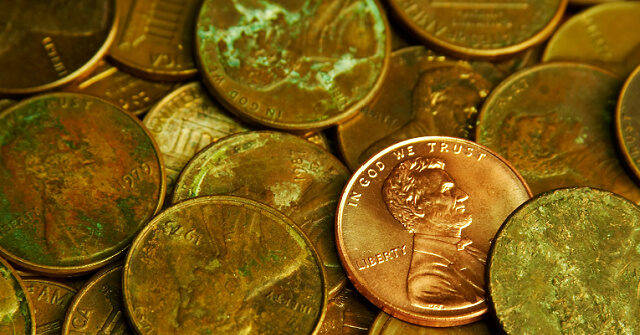

The House of Representatives has unanimously approved the Common Cents Act, advancing a proposal that could ultimately bring production of the penny to an end in the United States.
Members of both parties joined together Monday to prohibit the U.S. Treasury from producing additional one-cent coins. The legislation would also require cash purchases to be rounded “to the nearest amount divisible by five for the payment or transfer of cash.”
The measure is expected to clear the Senate. If it does, the policy would begin one year later. Existing pennies would not be withdrawn, however, and would continue to be recognized as legal tender, lawmakers said.
Republican Conference Chair Lisa McClain of Michigan and Rep. Robert Garcia of California, the House Oversight Committee’s ranking Democrat, introduced and championed the bill.
The bipartisan vote followed the U.S. Mint’s decision to halt new penny production in November 2025. The Common Cents Act would make that pause permanent and prevent the Mint from resuming production later.
Producing a single penny now costs 3.69 cents, substantially more than the coin’s face value. According to a Treasury press release, eliminating new pennies could save the government approximately $56 million each year.
The House action comes after President Donald Trump directed Treasury Secretary Scott Bessent to stop minting pennies early last year, describing the practice as “wasteful.”
The Treasury had already submitted its last order for penny blanks by May 2025, according to the Wall Street Journal.


