
Two Iranian twin sisters jailed for taking part in anti-government protests came face-to-face in court with the official they accuse of torturing and sexually assaulting them as they sought legal redress.
The sisters discovered that the same official had been assigned to hear their complaint, their U.S.-based cousin told News Outlet in an exclusive interview.
Masoud Nourmohammadi, the cousin of Taraneh and Romina Rahimi, alleged that the official participated in their interrogation before presiding over the complaint they filed against the Islamic Revolutionary Guard Corps (IRGC).
“As soon as they walk in, they see the exact person who tortured them and sexually assaulted them is the judge,” Nourmohammadi said.
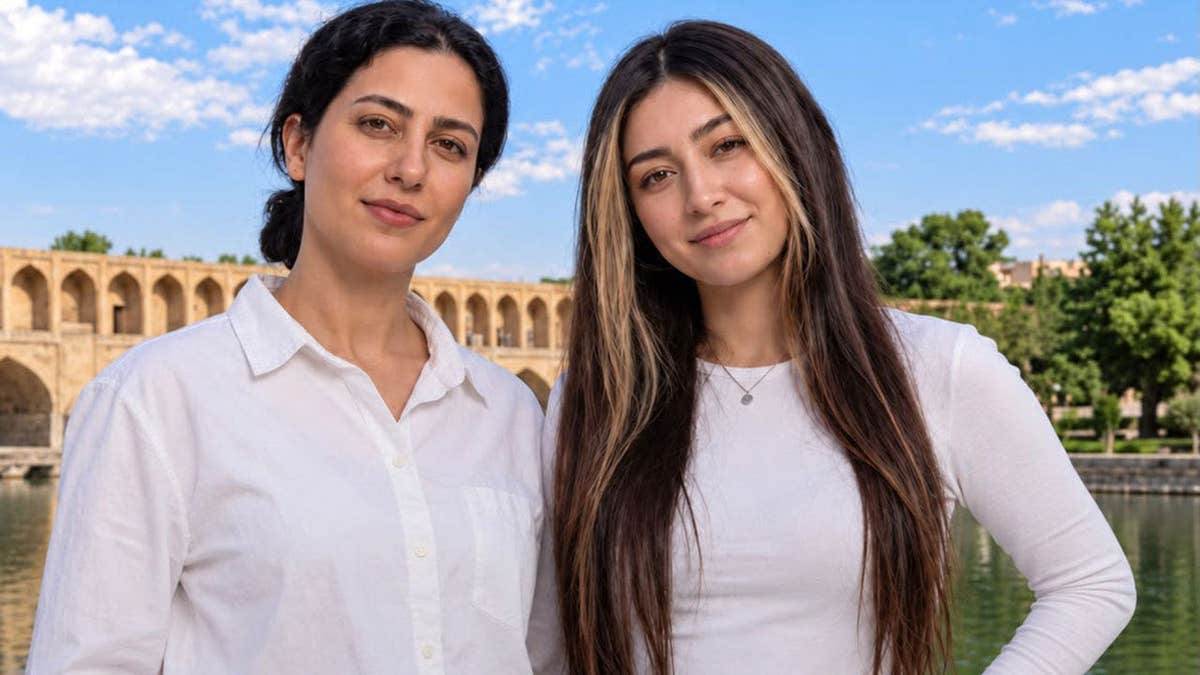
Iranian twins Taraneh and Romina Rahimi were arrested after joining anti-regime protests in Isfahan, Iran. Taraneh has been sentenced to death, while Romina faces decades behind bars, (HANA)
Nourmohammadi said the complaint was promptly dismissed by that same official.
“The judge was their prosecutor during the building (of) the case, and he was the one that did the sexual assault on the kids and tortured them as a prosecutor and for the lawsuit he was assigned as a judge for that lawsuit,” Nourmohammadi said.
News Outlet has not independently confirmed the allegations or examined the court records.
The sisters, both 21, were arrested following anti-government demonstrations in Isfahan in January. The Human Rights Activists News Agency (HRANA) reported that Taraneh was sentenced to death and an additional 11 years in prison, while Romina received a 36-year sentence. The rulings were issued in the so-called Shohada Square case, which involved 16 defendants.
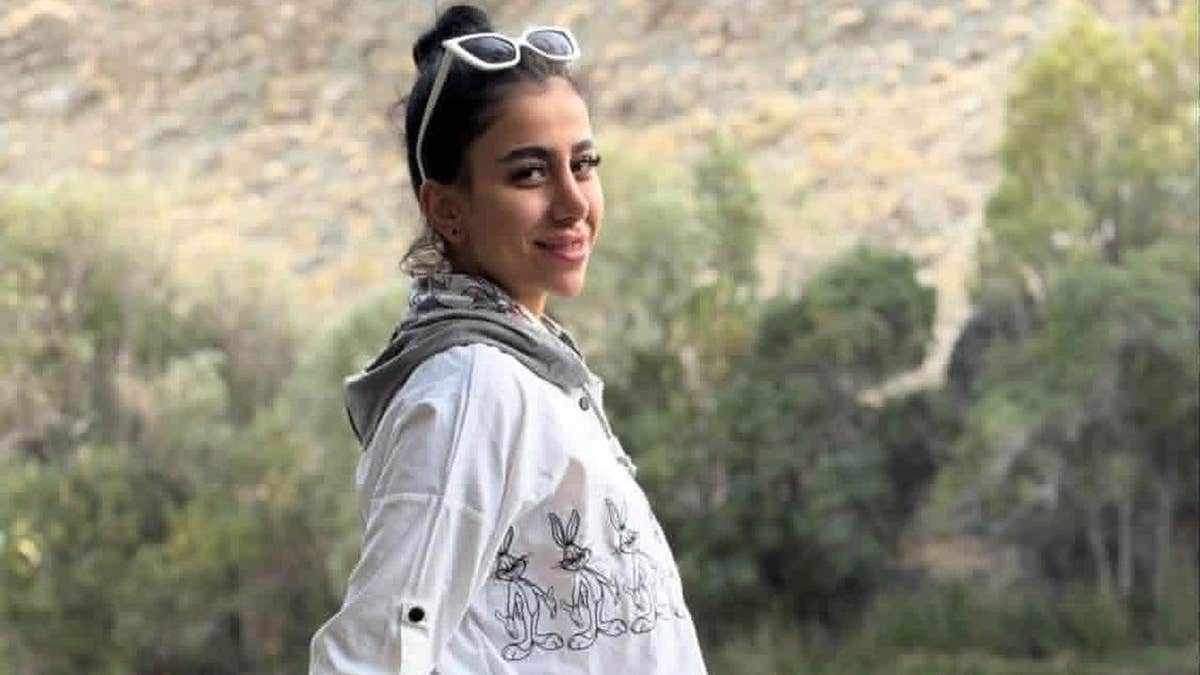
Taraneh Rahimi, 20, has received a death sentence over her alleged participation in anti-regime protests in Isfahan, Iran. Her family says she was tortured in custody and forced to confess. (HANA)
Nourmohammadi said the sisters’ legal position has grown more precarious. One attorney has been arrested, another withdrew from the case, and the family has retained a new lawyer to pursue an appeal of the criminal convictions.
He also relayed troubling reports about their physical condition.
“We just heard from another inmate who was with them in the same prison that the girls have been throwing up, vomiting blood in the night,” Nourmohammadi said.
He alleged that Taraneh had previously been unable to walk after being tortured and that both sisters were being refused essential medical care.
The case has emerged as international concern intensifies over Iran’s use of the death penalty against people detained during nationwide anti-government demonstrations.
IRANIAN PROTESTER HANGED HOURS AFTER MARRYING HIS IMPRISONED FIANCÉE OVER JAIL PHONE LINE
CONTINUE READING: JD Vance’s GTA VI Meme Featuring Trump Backfires Online

Iranian security forces allegedly killed an amateur boxer in Tehran. (Simay Azadi/ National Council of Resistance of Iran )
A Nov. 16 report from Norway-based Iran Human Rights (IHRNGO) recorded at least 121 protest-related death penalty cases following January’s demonstrations. The cases included six women and at least five people who were minors when the alleged offenses occurred. The group noted that some sentences were later overturned or sent back for retrial.
IHRNGO said 41 protesters have been executed since March 18. Of those, 39 were connected to the January protests and two were linked to the earlier Woman, Life, Freedom movement.
“Despite the execution of more than one protester every week on average since March, the international response has failed to raise the political cost of these executions sufficiently to deter the Islamic Republic,” IHRNGO Director Mahmood Amiry-Moghaddam said.
The report came as the U.N. General Assembly’s Third Committee adopted a resolution condemning Iran’s human rights record. The measure passed Wednesday with 76 countries voting in favor, 27 opposed and 64 abstaining.
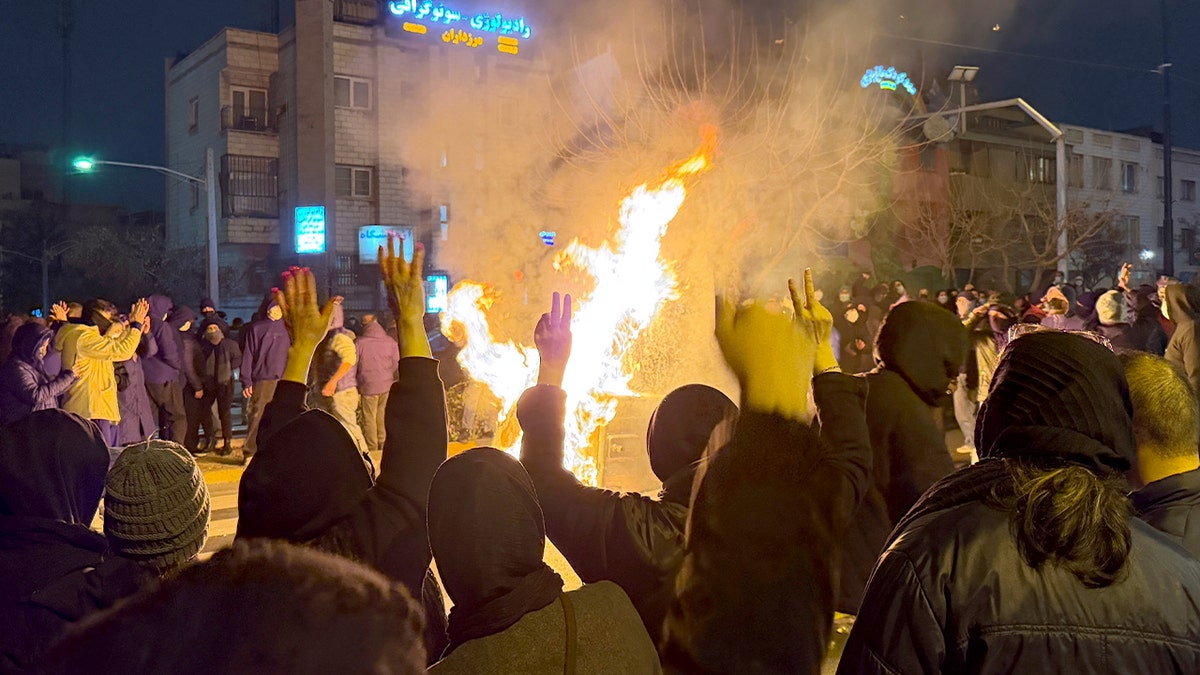
Iranians take part in an anti-government protest in Tehran, Iran, on Jan. 9, 2026. (UGC via AP)
Ambassador Dan Negrea said the United States abstained because it believed the resolution did not hold the Iranian government sufficiently accountable and included language that diverted attention from its primary purpose.
“Let no one mistake our abstention for any softening toward Tehran,” Negrea said. “For 47 years, the regime has ruled through torture and terror. It crushes dissent with public executions and beatings. It remains the world’s leading state sponsor of terrorism, and its repression does not stop at its own borders. It pursues those who dare to speak up against it and hunts them down around the world.
“Today, it unjustly executes more people than any other country. The United Nations has documented these human rights violations and abuses at length, and responsibility for them belongs to the regime alone.”
Iran’s U.N. mission rejected the resolution, alleging that its sponsors had politicized human rights while overlooking the effects of sanctions and military conflict.
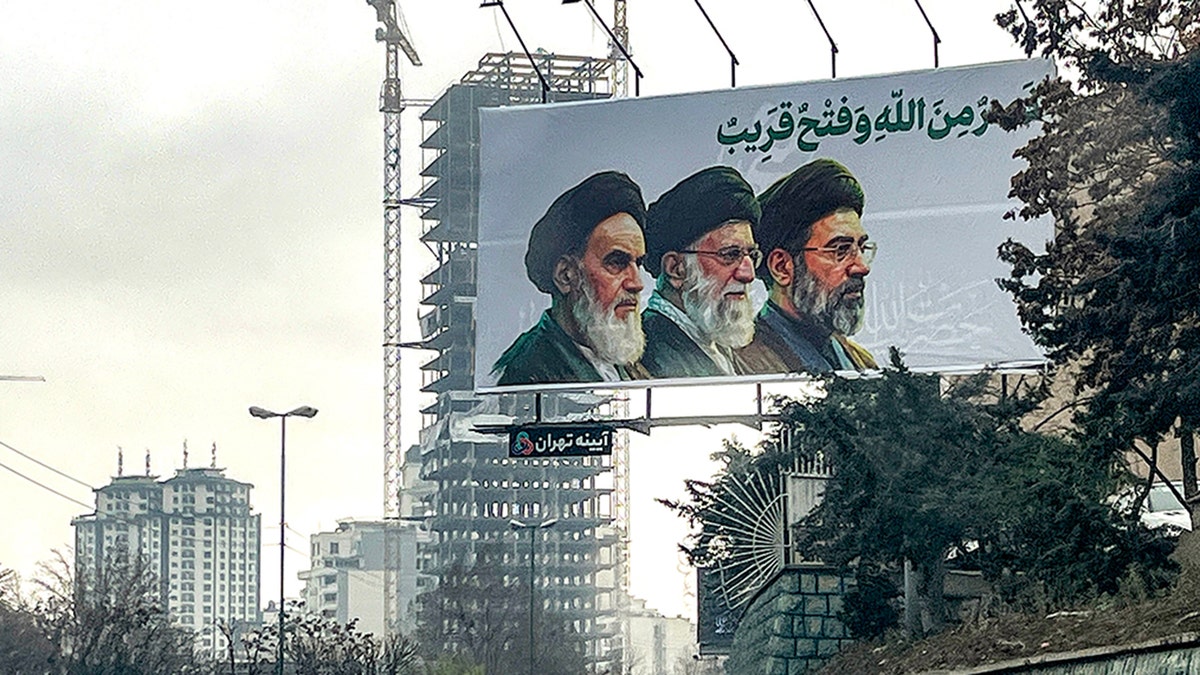
A billboard showing Iran’s supreme leaders since 1979: (L to R) Ayatollahs Ruhollah Khomeini (until 1989), Ali Khamenei (until 2026) and Mojtaba Khamenei (incumbent) is displayed above a highway in Tehran on March 10, 2026. (AFP/Via Getty Images)
Nourmohammadi, who lives in Utah, said he had contacted members of Congress for assistance but had not received a response.
He said Tehran uses executions as a warning to Iranians who might consider joining future demonstrations.
“That’s one of the reasons that the Islamic Republic is executing people is just to create that fear,” he said.
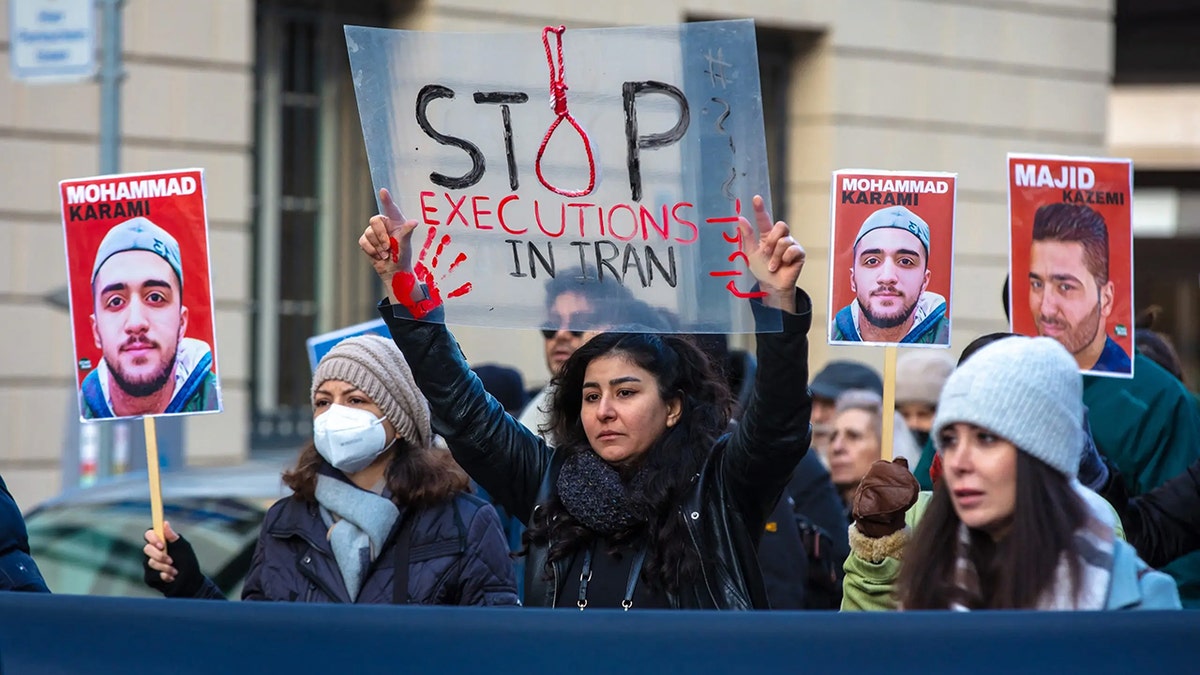
Members of the Iranian diaspora and activists gather outside Germany’s Federal Foreign Office in Berlin during the United Against Executions in Iran protest on Jan. 27, 2024. (Echo Iran/Middle East Images/AFP via Getty Images)
The cousin said the family remains determined to challenge the sisters’ sentences and obtain medical care for them.


