
Several Western democracies, such as the UK, France, Canada, and Australia, are under fire for permitting Iran and other authoritarian governments to gain seats on key United Nations (U.N.) bodies, with the United States standing as the lone opposition.
This controversy arises from decisions made by the United Nations Economic and Social Council (ECOSOC), a 54-member organization central to the development of U.N. policy and the staffing of major committees.
Critics caution that this development could enable governments accused of human rights violations to sway global policies and dictate which civil society groups can engage with the United Nations.
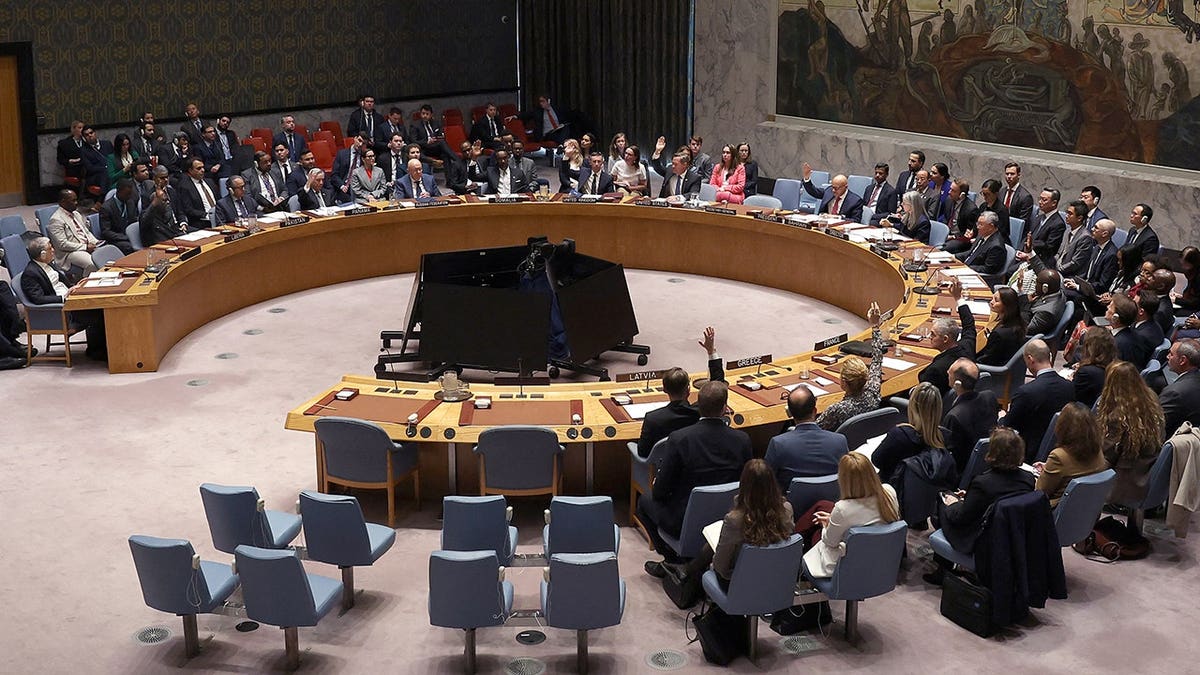
At a United Nations Security Council meeting on April 7, 2026, members voted on a resolution concerning the unblocking of the Strait of Hormuz, with discussions focused on Iran and the Middle East held at the U.N. headquarters in New York. (Photo by Timothy A. Clary/AFP via Getty Images)
Recently, ECOSOC selected the Islamic Republic of Iran for a position on the U.N.’s Committee for Program and Coordination. This committee plays a significant role in shaping policies related to human rights, women’s rights, disarmament, and counterterrorism.
The selection is expected to proceed smoothly, as the United Nations General Assembly usually ratifies such recommendations without conducting a formal vote.
At the same session, ECOSOC elected China, Cuba, Nicaragua, Saudi Arabia and Sudan to the Committee on Non-Governmental Organizations, which oversees accreditation and access for thousands of NGOs operating within the U.N. system.
The United States was the only member state to formally break from consensus.

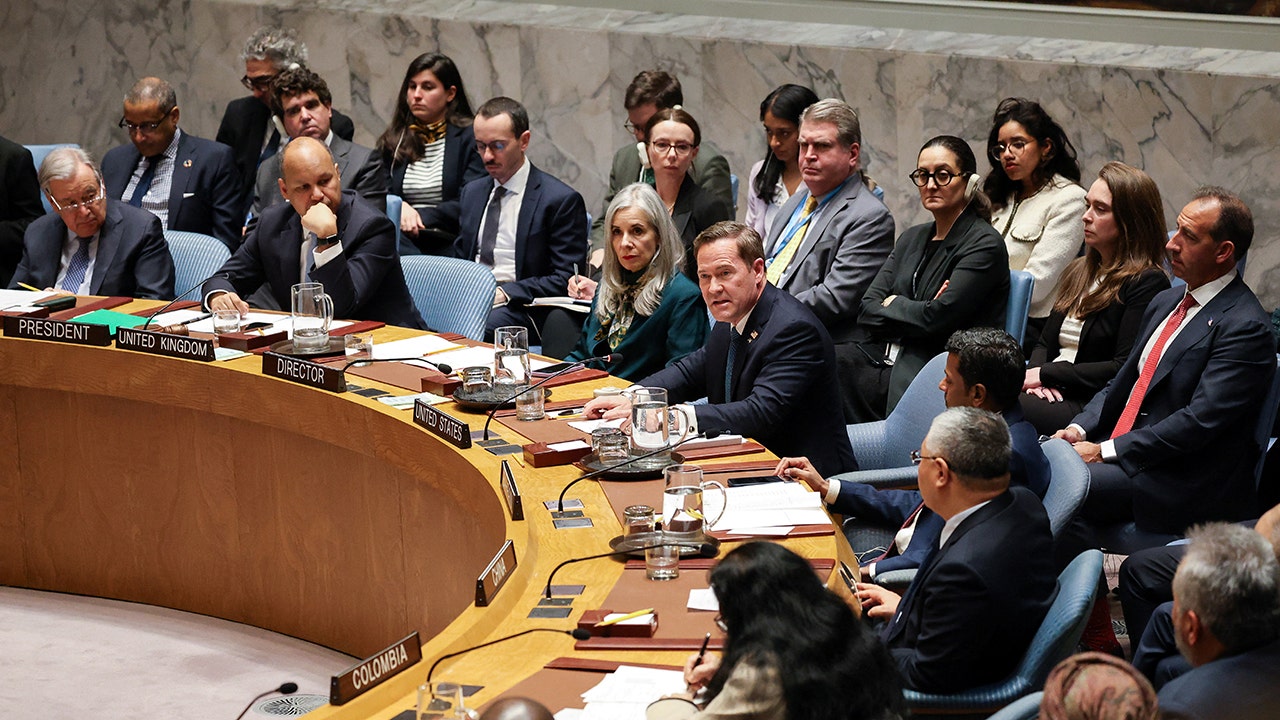
U.S. Ambassador to the United Nations Mike Waltz speaks during a United Nations Security Council meeting, after the U.S. and Israel launched strikes on Iran, at U.N. headquarters in New York City, Feb. 28, 2026. (Heather Khalifa/Reuters)
In remarks delivered April 8, U.S. Representative to ECOSOC Ambassador Dan Negrea said the U.S. “disassociates from consensus” on both decisions, calling several of the countries involved unfit for such roles.
“The regime threatens its neighbors and has, for decades, infringed on the Iranian people’s ability to exercise their basic human rights,” Negrea said, adding that “we believe Iran is unfit to serve” on the committee.
The decision drew sharp criticism from UN Watch, a Geneva-based watchdog group.
Hillel Neuer told Fox News Digital: “By their cynical actions at the UN, major Western states have betrayed their own human rights principles, severely undermining the rules-based international order that they claim to support.”
“We note that the EU states clearly had another option. They did take action in recent years to stop Russia from getting elected to similar bodies, and so we deeply regret that they failed to do the same now to stop the election of serial violators such as Iran, China, China, Cuba, Nicaragua, Saudi Arabia and Sudan.”
“We salute the United States for their moral clarity and leadership in objecting to the election of the Islamic Republic of Iran and other brutal regimes.”
Neuer warned the composition of the NGO committee could allow authoritarian governments to influence which organizations are accredited, potentially sidelining independent human rights groups.
“This means dictatorships will have a majority on the committee in order to deny United Nations accreditation to independent organizations that call out their human rights violations, and to accredit more fake front groups created by the regimes,” he said.
Israel’s mission to the United Nations also pointed to political tensions surrounding the vote, saying Iran attempted to challenge Israel’s candidacy during the same ECOSOC session.
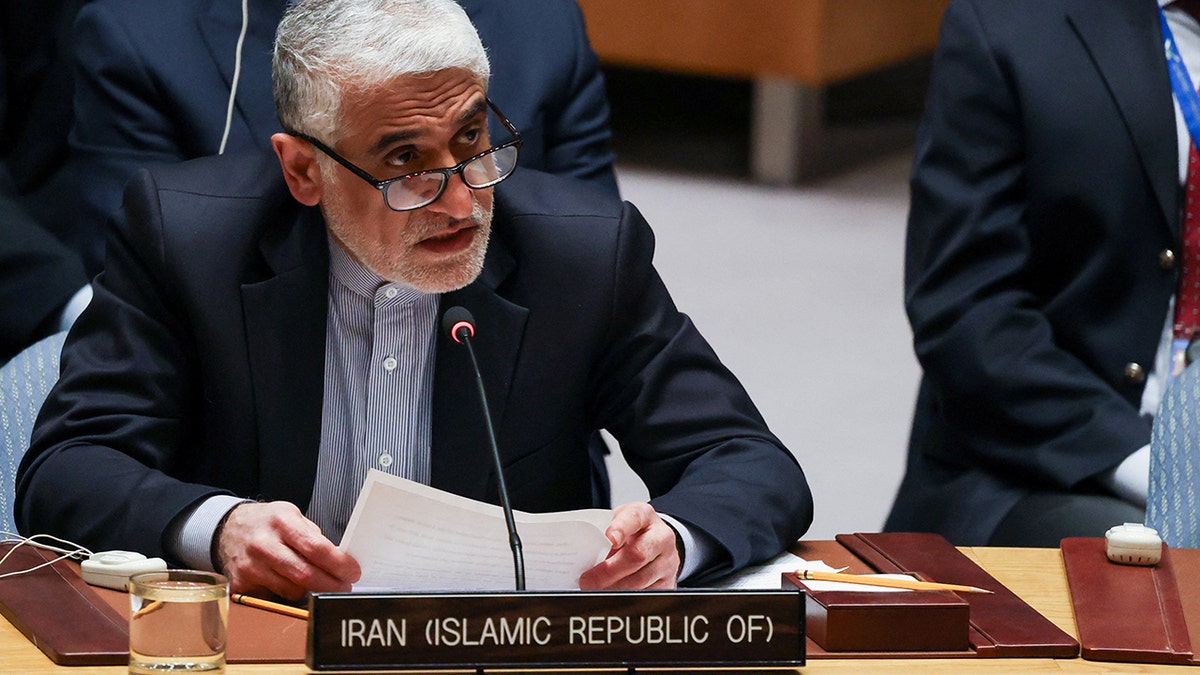
Iran’s Ambassador to the United Nations, Amir-Saeid Iravani attends a United Nations Security Council meeting, after the U.S. and Israel launched strikes on Iran, at U.N. headquarters in New York City, U.S. Feb. 28, 2026. (Heather Khalifa/Reuters)
Israel was elected to several U.N. bodies, according to the Permanent Mission of Israel to the United Nations, including the Commission on the Status of Women and the NGO Committee, despite opposition.
“Iran also tried to turn the elections at the UN into an arena for incitement against Israel and failed,” Israeli Ambassador Danny Danon said. “Those who oppress women and trample on human rights in their own country will not teach us what women’s rights are.”
Ahead of the vote, around 70 civil society groups warned that countries with poor human rights records could secure seats on key oversight bodies, but the elections proceeded without a formal vote, a process known as approval “by acclamation.”
Critics argue that this procedure allows controversial candidates to secure influential roles with limited transparency or accountability.
The developments are likely to intensify scrutiny over how U.N. bodies are staffed and whether political considerations are outweighing human rights concerns.
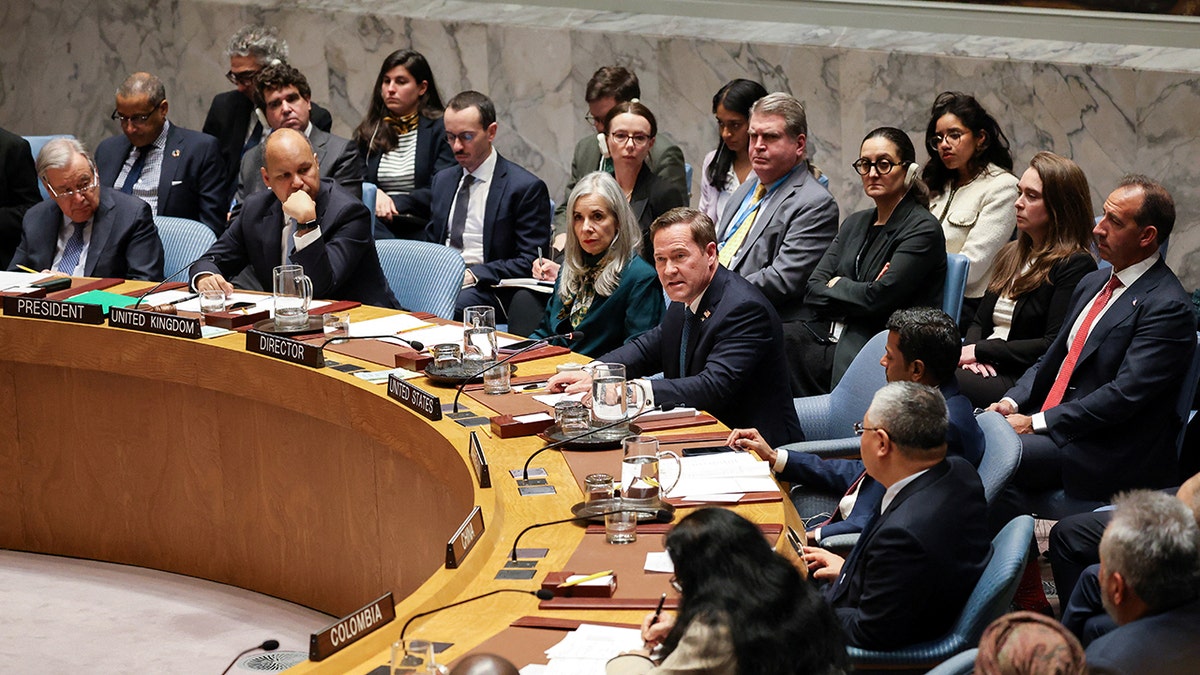
U.S. Ambassador to the United Nations Mike Waltz speaks during a United Nations Security Council meeting, after the U.S. and Israel launched strikes on Iran, at U.N. headquarters in New York City, U.S. Feb. 28, 2026. (Heather Khalifa/Reuters)
Fox News Digital reached out to the UK, France, Canada, Australia and U.S. mission for comment but did not receive responses in time for publication.
The Iranian mission to the United Nations declined to comment.