
Share this @internewscast.com

Iran has initiated a series of new executions, with more likely to follow, as the government grapples with the looming threat of another uprising led by its citizens. The regime is currently embroiled in a tense struggle for survival against external pressures from the United States and Israel.
According to reports from The National Council of Resistance of Iran (NCRI), at least four individuals affiliated with the anti-regime group known as the People’s Mojahedin Organization of Iran (PMOI) have been executed within the last 48 hours.
The chair of NCRI’s Foreign Affairs Committee, Mohammad Mohaddessin, has described these executions as a strategic move by Iran’s theocratic regime. Speaking to the Daily Mail, he characterized the actions as an attempt to “intimidate” the populace and maintain strict control over the nation.
“The execution of these four PMOI members amid ongoing external conflict signals the regime’s acknowledgment that it perceives the Iranian people and the organized Resistance as its foremost enemy and a significant threat to its existence,” Mohaddessin stated during a briefing held on Wednesday.
He further elaborated on the timing of the executions, suggesting that the leadership is deeply worried about the internal climate and the potential for renewed uprisings. “Why were they executed now? Because the regime leadership is extremely concerned about the domestic situation and the possibility of another uprising,” he explained.
The NCRI has also indicated that some of the 2,000 PMOI Resistance Unit members, who were detained during the January uprising, are anticipated to face execution in the coming days.
“Beyond the four already executed, the death sentences of 15 others have been confirmed by the Supreme Court and await implementation,” the NCRi chair stressed.
“Many other political prisoners are likely to receive death sentences as well.”
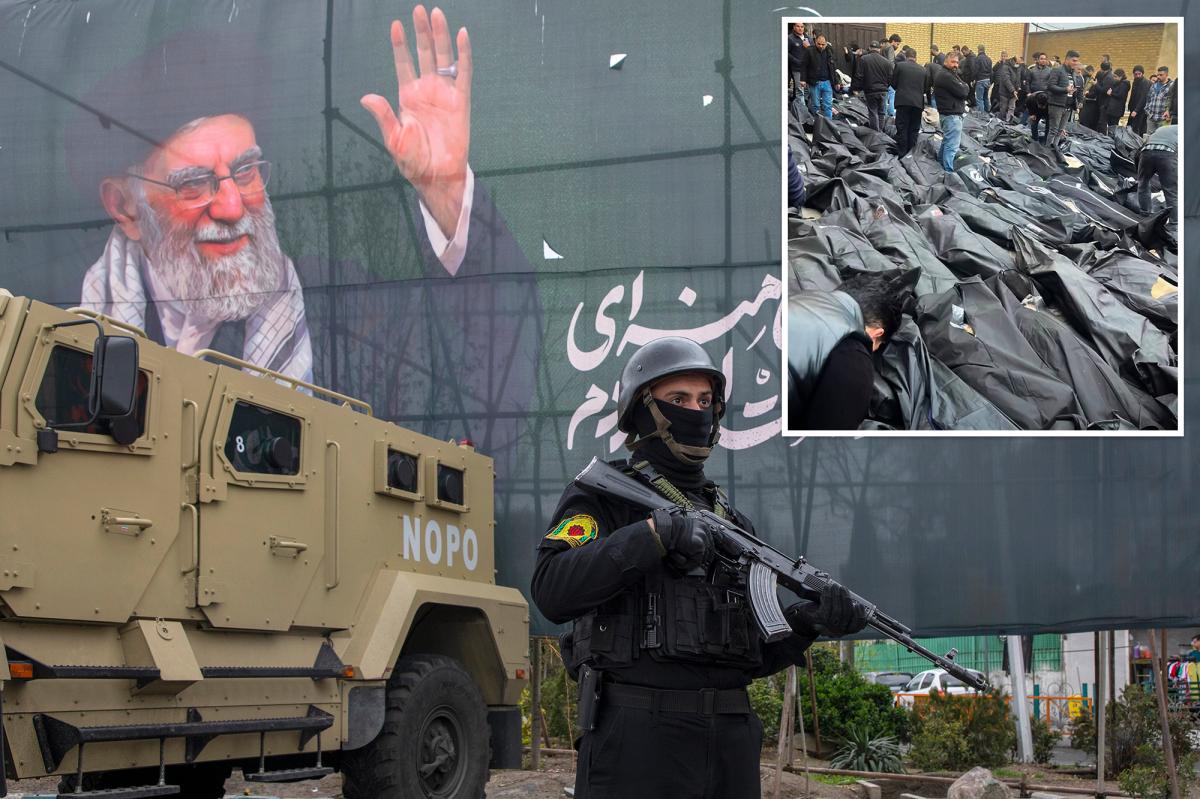
The warning of the imminent massacre of activists follows the slaughter of tens of thousands anti-regime protesters who took to the streets of Tehran in January over the country’s faltering economy — a movement that quickly swelled into calls for regime change.
A deadly crackdown on demonstrators ensued at the hands of Supreme Leader Ayatollah Ali Khamenei before he was wiped out — along with dozens of his top military commanders — in a devastating Israeli airstrike on Feb. 28, which launched the Iran war.
The NCRI — a democratic coalition aiming to overthrow the clerical regime which has held power since the 1979 Iranian Revolution — warned the executions could bring a broader suppression across the nation, drawing comparisons to the 1988 Iranian massacre, where 30,000 political prisoners were killed.
“This war will eventually come to an end. After the war, society will become far more explosive, leading to even stronger uprising and the regime will appear significantly more vulnerable,” Mohaddessin said.
“The combination of people uprising and organized resistance movement is the only way to overthrow the regime. By these executions [the] regime is trying to create an atmosphere of fear to prevent the youth to join PMOI and prevent its own overthrow.”
Mohaddessin urgently called upon foreign leaders and the United Nations to take immediate action to stop any further executions, stressing that international communities “must uphold its obligation.”
“The UN, US and all defenders of human rights must condemn the executions of PMOI members,” he said.