
Share this @internewscast.com
The most recent series of airstrikes launched by the Israeli military has significantly undermined Iran’s harsh internal security forces, potentially paving the way for civil unrest.
In these operations, Israel reported “dropping numerous munitions on the Basij and other internal security command centers controlled by the Iranian terror regime,” according to a statement from the Israel Defense Forces (IDF) released on Wednesday. “These command centers were integral to the Iranian regime’s ability to exert control across the nation and manage situational assessments,” the IDF noted.
Operation Epic Fury has seen the United States striking nearly 2,000 targets as part of a comprehensive military strategy designed to dismantle the regime’s security infrastructure and eliminate threats. Admiral Brad Cooper of U.S. Central Command highlighted this achievement in a video message, confirming the extent of the campaign.
The Islamic Revolutionary Guard Corps (IRGC) and the Basij militia, a volunteer paramilitary group in Iran, were responsible for the severe suppression of demonstrators in January. The regime’s forces violently dispersed crowds and carried out mass arrests of protesters, events that many believed were indicators of impending regime change in Iran, although such a shift did not materialize.

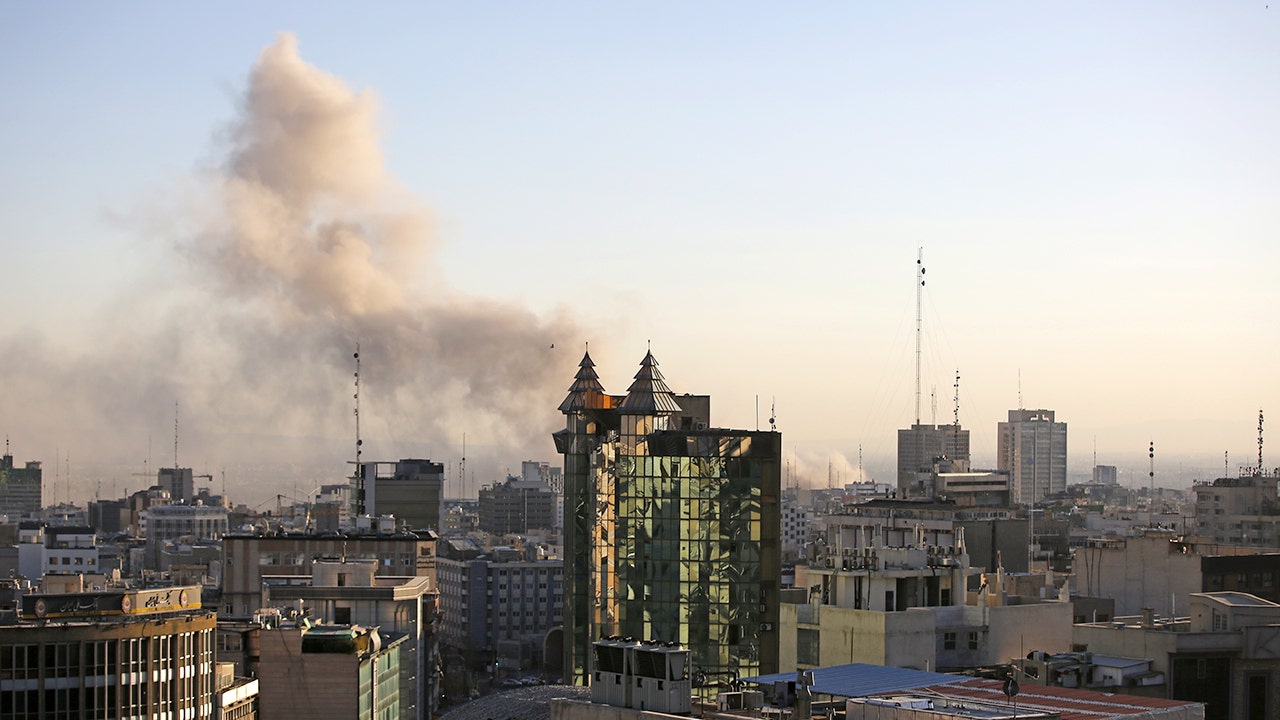
Smoke billows from central Tehran after reported U.S. and Israeli strikes on Iran’s capital on March 3, 2026. (Fatemeh Bahrami/Anadolu via Getty Images)
Officials from Israel and the United States have suggested that regime change in Iran might be on the horizon, as both nations continue to target Tehran’s military and security facilities.
Israeli Prime Minister Benjamin Netanyahu said in a video message announcing the launch of Operation Epic Fury, which Israel calls Operation Rising Lion, that it was time for Iranians “to rid themselves of the yoke of tyranny.” Similarly, President Donald Trump said in a message to the Iranian people on Feb. 28 that “the hour of your freedom is at hand.”
“When we are finished, take over your government. It will be yours to take. This will be, probably, your only chance for generations,” Trump said.
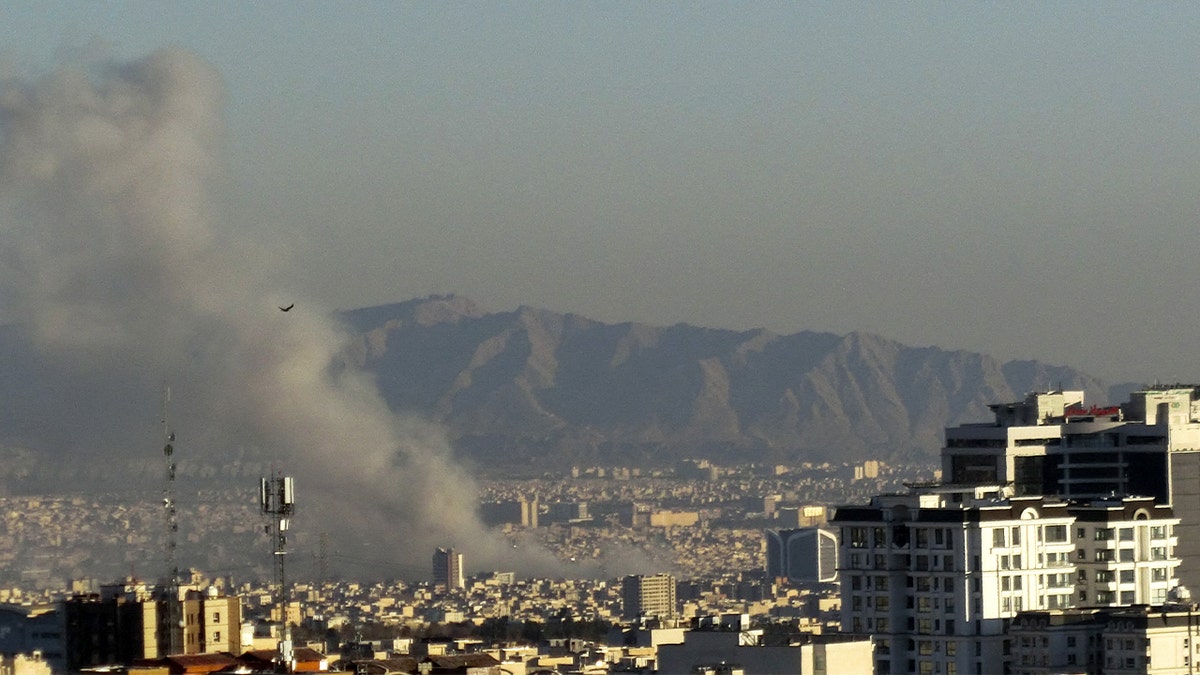
Plumes of smoke rise following reported explosions in Tehran on March 3, 2026, after Iranian Supreme Leader Ayatollah Ali Khamenei was killed in joint U.S. and Israeli strikes on Feb. 28, 2026. (Negar/Middle East Images / AFP via Getty Images)
“America is backing you with overwhelming strength and devastating force. Now is the time to seize control of your destiny, and to unleash the prosperous and glorious future that is close within your reach. This is the moment for action. Do not let it pass,” the president added.
Ali Vaez, director of the Iran project at the International Crisis Group, told The Wall Street Journal that the path to regime change through foreign airstrikes and popular uprising on the ground has “a bet that rests on no clear historical model.” Vaez also warned that the idea “ignores the resilience of entrenched authoritarian systems like the Islamic Republic.”
The IDF said on Monday that Israel had hit headquarters, bases and regional command centers that belonged to the regime’s internal security apparatus.
“These bodies were responsible for, among other things, suppressing protests against the regime through violent measures and civilian arrests,” the IDF said.
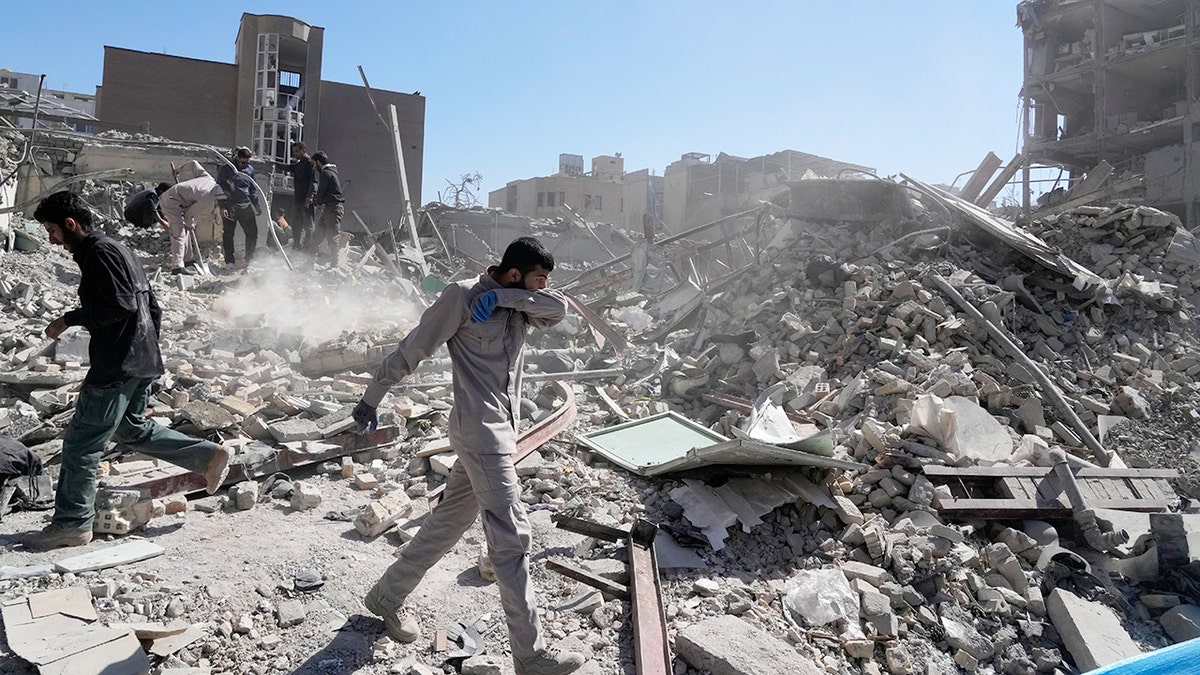
A group of men inspects the ruins of a police station struck amid the U.S.–Israeli military campaign in Tehran, Iran, on Tuesday, March 3, 2026. (Vahid Salemi/AP)
It is unclear who will lead Iran after Supreme Leader Ayatollah Ali Khamenei was killed on the first day of the operation. Since then, Israel and the U.S. have made it clear that regime leaders chosen to replace him would be targets. Israeli Defense Minister Israel Katz warned on Wednesday that anyone chosen to replace Khamenei would be considered “a target for elimination” if they continued to threaten Israel, the U.S. and regional allies.
The killing of key leaders might not be enough to cause an uprising, as the regime has a monopoly on weapons in most of Iran, the WSJ reported, adding that Basij militants are still patrolling the streets.
Related Article