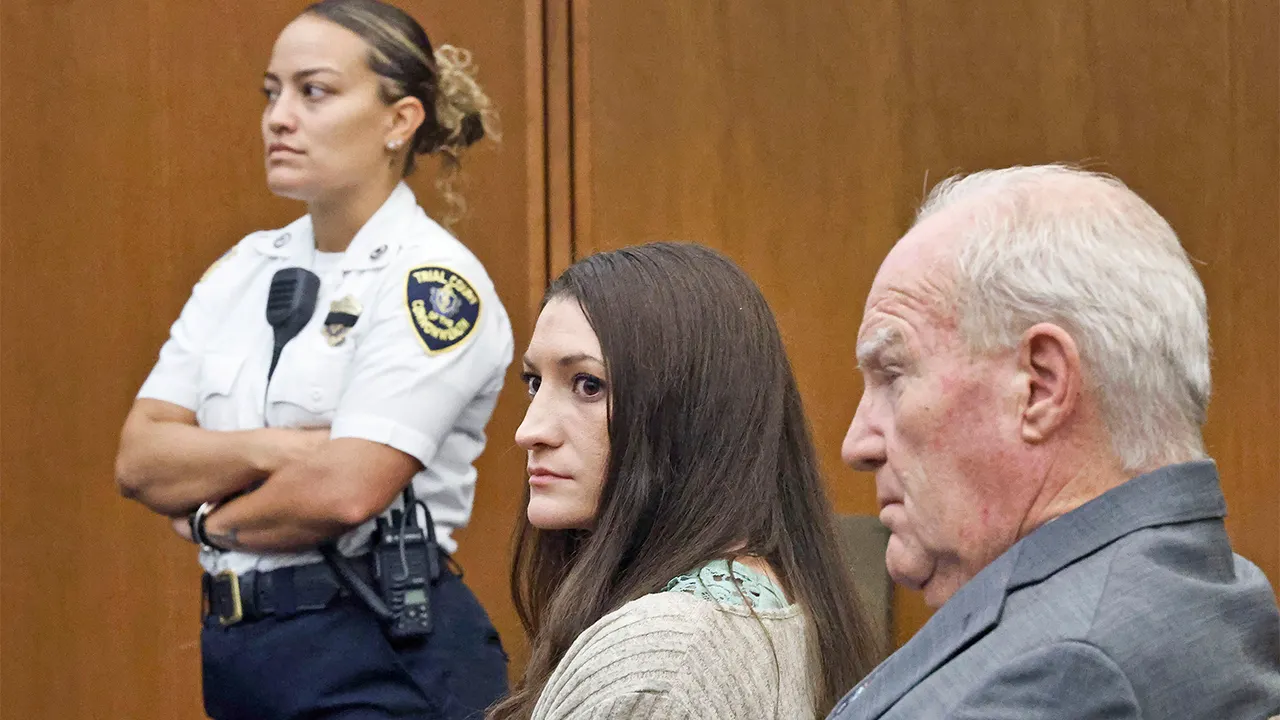

The Massachusetts judge overseeing Lindsay Clancy’s murder case has rejected her request to dismiss the charges on double-jeopardy grounds, allowing prosecutors to pursue a second trial in the deaths of her three young children. Legal experts say the ruling could give the prosecution another opportunity to seek a conviction.
“Because the Court concludes that there was a manifest necessity for a mistrial based on the jury’s deadlock, a retrial on the murder indictments does not violate Clancy’s right not to be placed in double jeopardy,” Judge William Sullivan wrote in a 17-page order and memorandum released Monday.
Clancy’s 26-day trial ended Sept. 4 when the jury could not reach a unanimous verdict. Jurors later disclosed that 11 supported her insanity defense, while one juror favored a first-degree murder conviction in what that juror described as the “methodical” killings of Cora, 5, Dawson, 3, and Callan, 8 months.
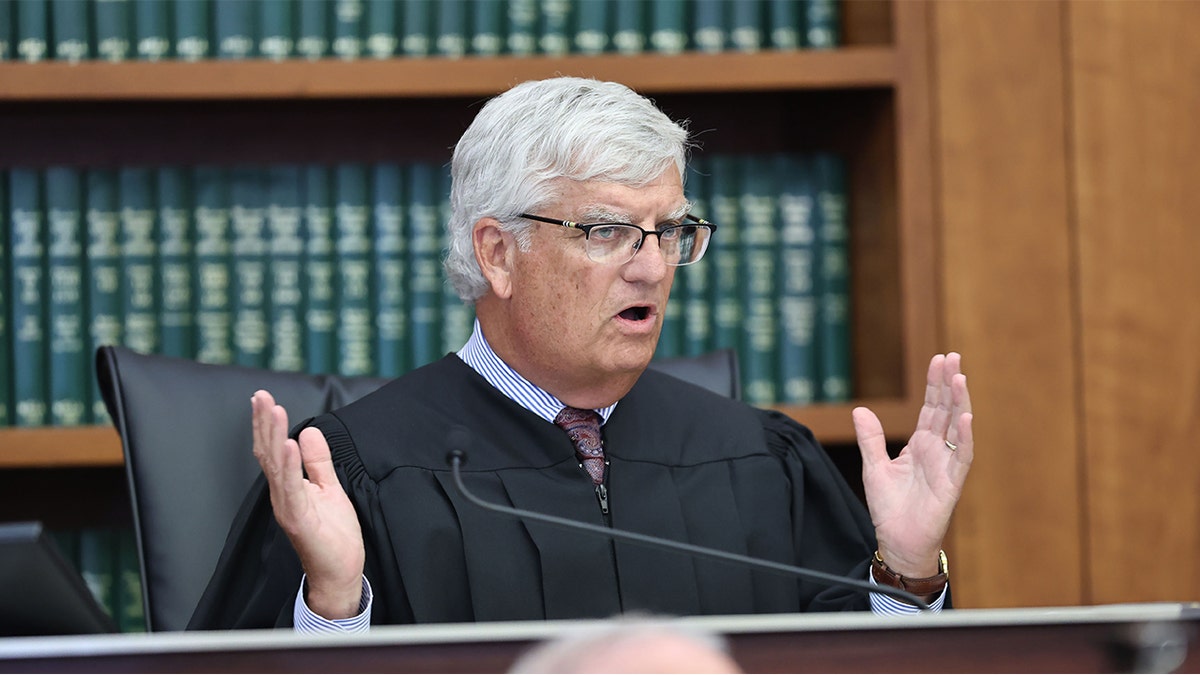
Judge William Sullivan signals that he intended to declare a mistrial before giving Lindsay Clancy’s defense attorney an hour to appeal, after jurors said they could not reach a verdict Friday, Sept. 4, 2026, in Plymouth, Massachusetts. (Greg Derr/The Patriot Ledger via AP, Pool)
If the motion had been successful, Clancy would have been protected from a possible second trial, according to Randolph Rice, a trial lawyer and former prosecutor who is not involved in the case.
With the judge’s decision, Rice said, prosecutors now have an opportunity to examine the weaknesses in their original presentation.
“I think there’s a real possibility that DA [Tim] Cruz says, ‘We’re going back to trial … and we have learned from our mistakes,’” Rice said.
One potential takeaway, Rice said, is that Plymouth County prosecutors may not have connected strongly enough with jurors while making their case, particularly after 11 of the 12 panel members rejected the prosecution’s position.
The details of a retrial remain uncertain. Prosecutors have not publicly said whether they would pursue the same charges or modify the case.
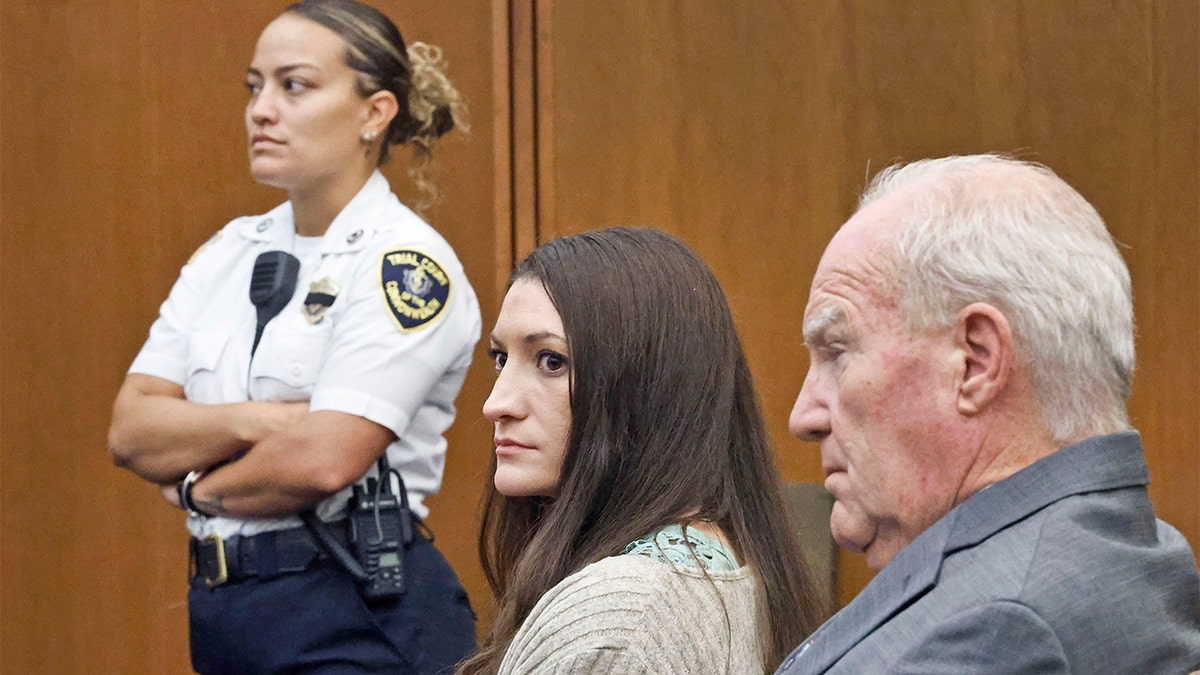
Lindsay Clancy watches the jurors as Judge Sullivan asks them to continue deliberations for a sixth day during her murder trial Thursday, Sept. 3, 2026, in Plymouth, Massachusetts. (Pool Photo by Greg Derr/The Patriot Ledger)
The jury began deliberating Aug. 27. Several days later, on Sept. 1, jurors sent Sullivan their first note saying they remained divided.
“After many hours of deliberation, we are unable to come to a unanimous verdict,” the note said, according to Sullivan. He directed the jurors to continue their discussions.
The panel sent another similar message Sept. 2. With both sides’ agreement, Sullivan delivered what is known as a Tuey-Rodriguez instruction. The guidance encourages jurors in a deadlocked case to reconsider their positions with an open mind, while emphasizing that they should not surrender sincerely held beliefs simply to reach a verdict.
The next day, Sullivan received another note: “A member of the jury is unable to follow the instructions regarding reasonable doubt. How should we proceed?”
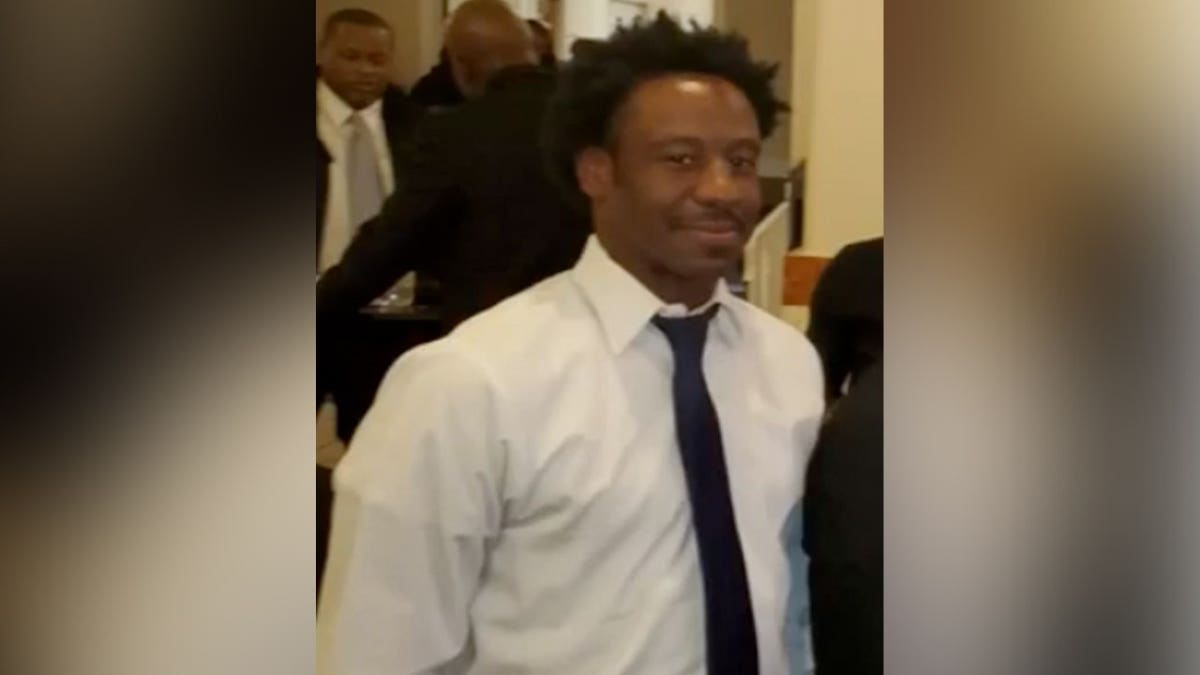
Michael P. Desronvil was the juror whose refusal to join the other 11 members resulted in a mistrial in the Lindsay Clancy murder case. (Fugitive TV)
Sullivan wrote that he questioned whether the holdout was truly unable to understand or follow the reasonable-doubt standard. He therefore conducted a limited inquiry into whether each juror could apply the law.
Prosecutors objected to questioning the jurors, while the defense asked that the holdout be replaced by an alternate. Defense lawyers then requested that Sullivan ask the foreperson to explain the latest note. Prosecutors argued that doing so would improperly interfere with the jury’s deliberations, and Sullivan agreed. Instead, he asked every juror: “Are you able to follow my instructions on the law that were given to you earlier in the trial?”
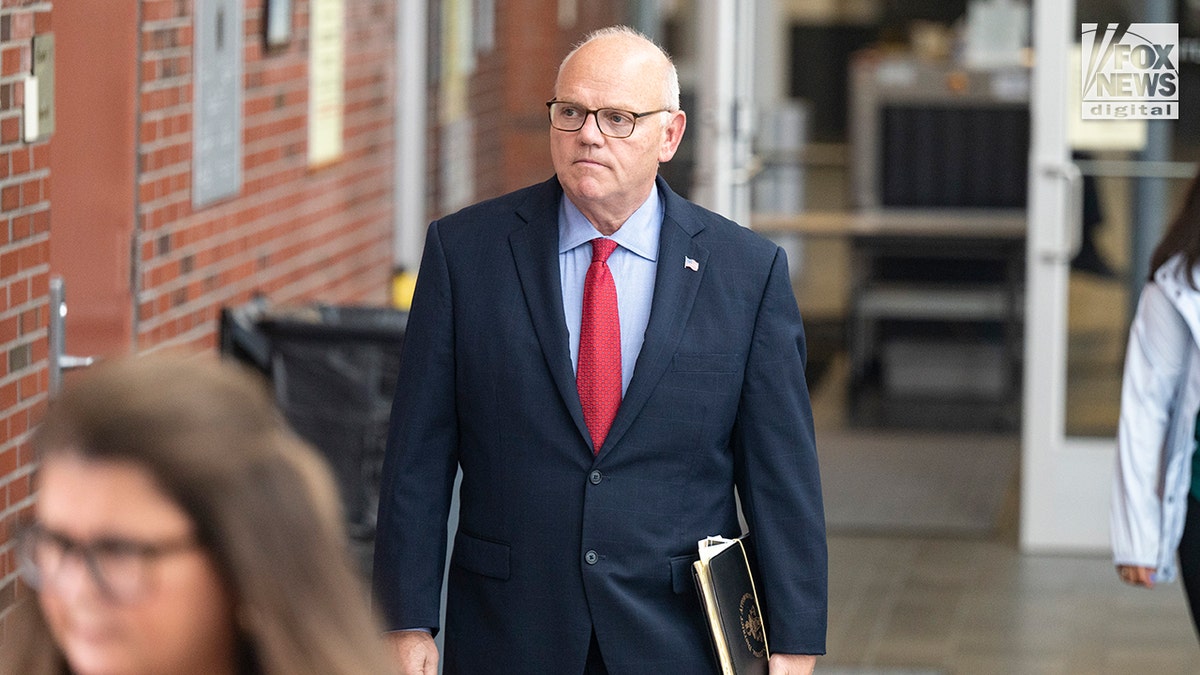
District Attorney Timothy Cruz leaves Plymouth Superior Court in Plymouth, Massachusetts, Thursday, Sept. 3, 2026. (David McGlynn for News Outlet)
Sullivan said every juror answered affirmatively and appeared credible.
The prosecution and defense agreed that Sullivan should again explain the reasonable-doubt standard to the full panel, which he did. Clancy’s attorney, Kevin Reddington, renewed his request to remove the holdout and replace him with an alternate, but Sullivan denied it.
Later that day, the foreperson sent another message alleging that the holdout was disregarding reasonable doubts in the case, Sullivan wrote.
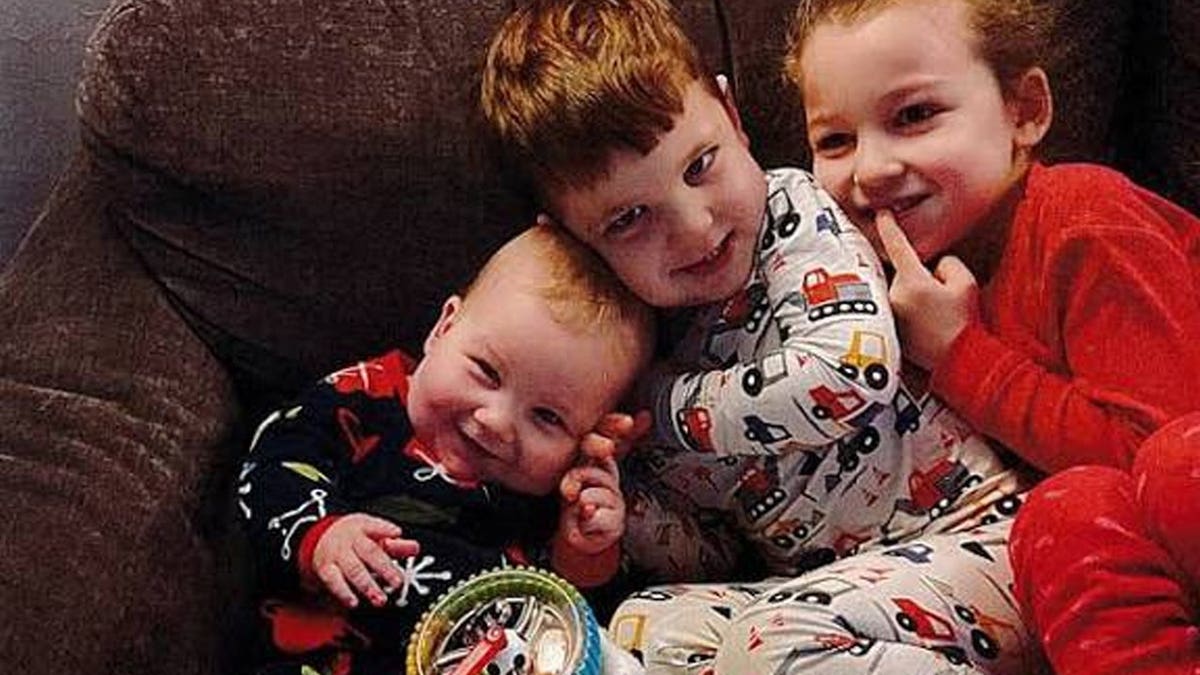
Callan, left, Dawson and Cora Clancy. The three siblings were killed at their home in Duxbury, Massachusetts, in January 2023. (Lindsay Marie Clancy/Facebook)
“[Juror Doe] has made statements acknowledging doubt but refuses to apply it to the verdict as the law states,” the foreperson wrote. “This is why we cannot come to a unanimous decision.”
The jurors were dismissed for the evening. Before deliberations resumed Sept. 4, Sullivan met with attorneys from both sides to discuss the note. He again instructed the panel on reasonable doubt and the obligation to follow the law, adding that future notes should not reveal an individual juror’s vote by number. After two more hours without progress, Sullivan said he intended to declare a mistrial despite Reddington’s objection.
Sullivan paused the decision for one hour while the defense sought emergency relief from the state Supreme Judicial Court. A single justice denied the request without further proceedings, and Sullivan then declared the mistrial.
Clancy’s lawyers later asked the court to dismiss the case, arguing that the mistrial was not required by “manifest necessity.” They maintained that holding another trial would violate her Fifth Amendment protection against double jeopardy.
“Clancy contends that there was no manifest necessity for a mistrial because the Court failed to consider the alternative of inquiring into the meaning of the foreperson’s notes and questioning Juror Doe to determine whether there was good cause to discharge Juror Doe,” Sullivan wrote.
Sullivan rejected that argument Monday.
Juror Doe was Michael Desronvil, who later identified himself in an interview with Fox News and said he had never wavered in his belief that Clancy was guilty.


