
It was 161 years ago that enslaved people in Galveston, Texas, were finally told they were free — after the Civil War had ended and two years after President Abraham Lincoln issued the Emancipation Proclamation.
Since then, Juneteenth — a name blending “June” and “nineteenth” — has steadily grown in significance over the past century and a half. In 2021, President Joe Biden made it a federal holiday, broadening its recognition well beyond Black communities in the United States.
Across the days leading up to the holiday, cities host a wide range of street festivals, fairs, concerts and community gatherings. As interest continues to expand, many people who once paid little attention to the occasion may now be wondering whether there is a proper way to observe Juneteenth.
For those new to the holiday, or anyone looking to revisit its history, here are a few key answers:
Is Juneteenth more of a solemn day of remembrance or a party?
The answer largely depends on what kind of celebration you’re seeking. Juneteenth traditions are deeply tied to cookouts and picnics. Early observances marked what many Black Americans considered their true Independence Day, with outdoor gatherings creating space for joyful reunions among formerly enslaved relatives, many of whom had been torn apart. Those celebrations also carried deeper meaning because they took place outside the reach of restrictive laws known as Black Codes, which were imposed in former Confederate states. Those rules governed whether freed people could vote, own property, worship together and participate fully in everyday life.
In 2024, the White House began its Juneteenth observance ahead of the holiday with a South Lawn concert honoring both Juneteenth and Black Music Month. The event struck a celebratory tone, highlighted by Vice President Kamala Harris — the nation’s first Black vice president — dancing onstage with gospel artist Kirk Franklin.
Others may choose to treat Juneteenth as a day of rest and remembrance. That can mean doing community service, attending an education panel or taking time off.
“The most important thing everyone should do is be able to quickly answer the question ‘What is Juneteenth?’” said Marc Morial, president and CEO of the National Urban League.
What if you’ve never celebrated Juneteenth?
Dr. David Anderson, a Black pastor and CEO of Gracism Global, a consulting firm helping leaders navigate conversations bridging divides across race and culture, never did anything on Juneteenth in his youth. He didn’t learn about it until his 30s.
“I think many folks haven’t known about it – who are even my color as an African American male. Even if you heard about it and knew about it, you didn’t celebrate it,” Anderson said. “It was like just a part of history. It wasn’t a celebration of history.”
For many African Americans, the farther away from Texas that they grew up increased the likelihood they didn’t have big Juneteenth celebrations regularly. In the South, the day can vary based on when word of Emancipation reached each state.
What kind of public Juneteenth events are taking place?
Search online and you will find gatherings nationwide varying in scope and tone. Some are more carnivalesque festivals with food trucks, arts and crafts and parades. Within those festivals, you’ll likely find information on health care, finance and community resources. There also are concerts and fashion shows to highlight Black creativity. There will also be panels to educate about Juneteenth’s history.
Are there special Juneteenth decorations or foods?
The red, black and green African Liberation Flag, also known as the Pan-African flag, has historically been displayed at both Black History Month and Juneteenth celebrations. Red represents bloodshed and sacrifice of enslaved ancestors. Black symbolizes Black people. Green represents richness of the land in Africa.
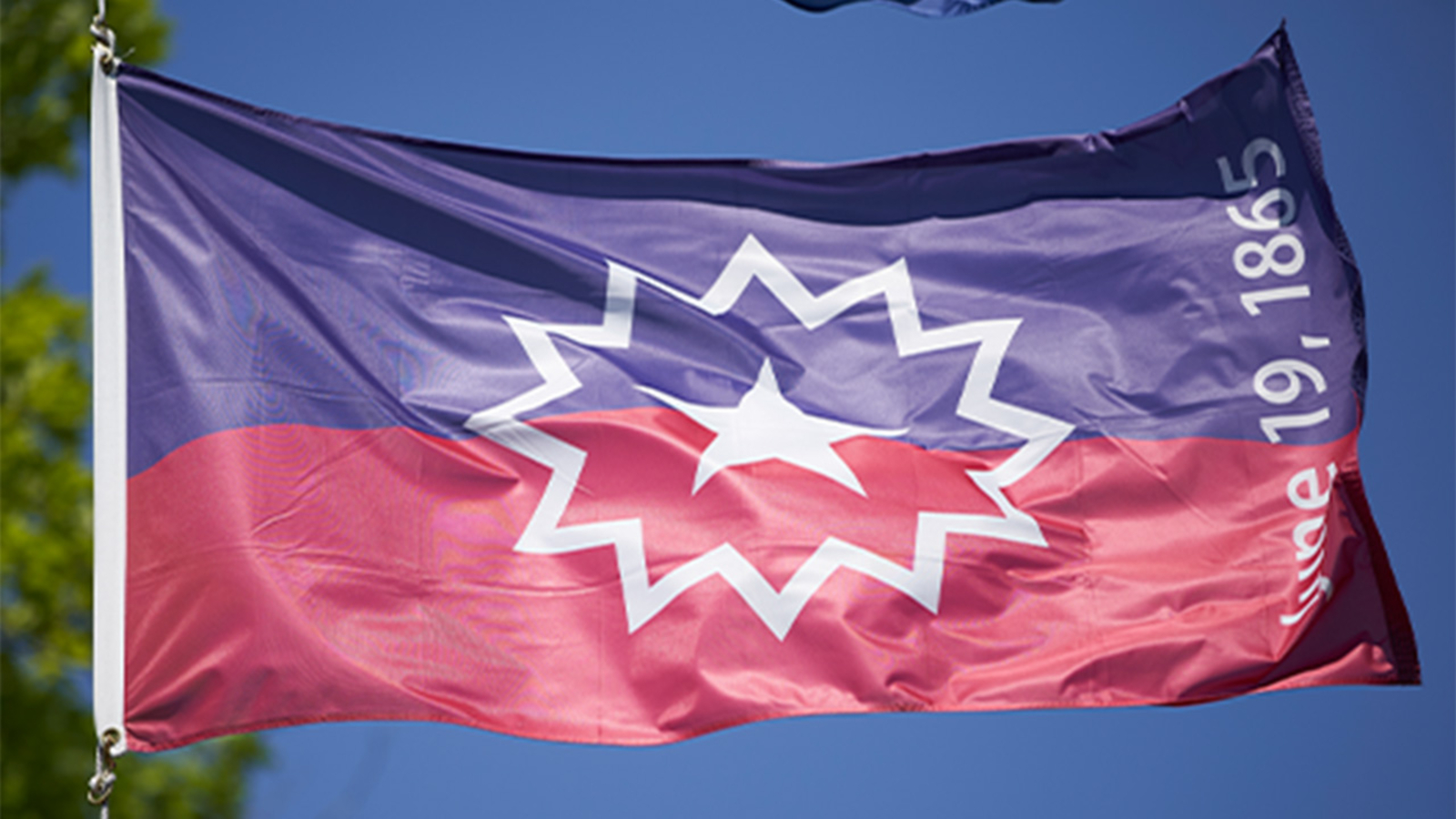
More people, however, have leaned into the Juneteenth flag created in 1997 by activist Ben Haith, who founded the National Juneteenth Celebration Foundation. Like the American flag, it is red, white and blue to indicate those freed are also Americans. The five-point white star in the middle is a tribute to Juneteenth’s birthplace of Texas. It is encircled by another white starry line that represents the spreading of freedom.
Aside from barbecue, the color red has been a through line for Juneteenth food for generations. Red symbolizes the bloodshed and sacrifice of enslaved ancestors. A Juneteenth menu might incorporate items like barbecued ribs or other red meat, watermelon and red velvet cake. Drinks like fruit punch and red Kool-Aid may make an appearance at the table.
In recent years, Juneteenth has become more commercialized with national chains selling Juneteenth party supplies, T-shirts and other merchandise. However, this year, Juneteenth items appear to be fewer or only online. Morial says he would be disappointed if companies decided selling Juneteenth items out in the open was too risky because of politics. At the same time, it might be a good opportunity for consumers.
“I would also encourage people to go online and look for an African American vendor,” Morial said. “If you got to participate in that (commercialism), that’s what I would do.”

Does how you celebrate Juneteenth matter if you aren’t Black?
Dr. Karida Brown, a sociology professor at Emory University whose research focuses on race, said there’s no reason to feel awkward about wanting to recognize Juneteenth just because you have no personal ties or you’re not Black. In fact, embrace it.
“I would reframe that and challenge my non-Black folks who want to lean into Juneteenth and celebrate,” Brown said. “It absolutely is your history. It absolutely is a part of your experience. … Isn’t this all of our history? The good, the bad, the ugly, the story of emancipation and freedom for your Black brothers and sisters under the Constitution of the law.”
What are other names used to refer to Juneteenth?
Over the decades, Juneteenth has also been called Freedom Day, Emancipation Day, Black Fourth of July and second Independence Day among others.
“Because 1776, Fourth of July, where we’re celebrating freedom and liberty and all of that, that did not include my descendants,” Brown said. “Black people in America were still enslaved. So that that holiday always comes with a bittersweet tinge to it.”
Is there a proper Juneteenth greeting?
It’s typical to wish people a “Happy Juneteenth” or “Happy Teenth,” according to Alan Freeman, a comedian who has organized a June 19 comedy show at Club 68, which local media has described as the last Black bar and club on Galveston Island. The day after he will host a stand-up comedy and jazz show at his Houston restaurant and lounge, the Frisky Whisky.
“You know how at Christmas people will say ‘Merry Christmas’ to each other and not even know each other?” Freeman said. “You can get a ‘Merry Christmas’ from everybody. This is the same way.”
Copyright © 2026 by The Associated Press. All Rights Reserved.


