
Share this @internewscast.com
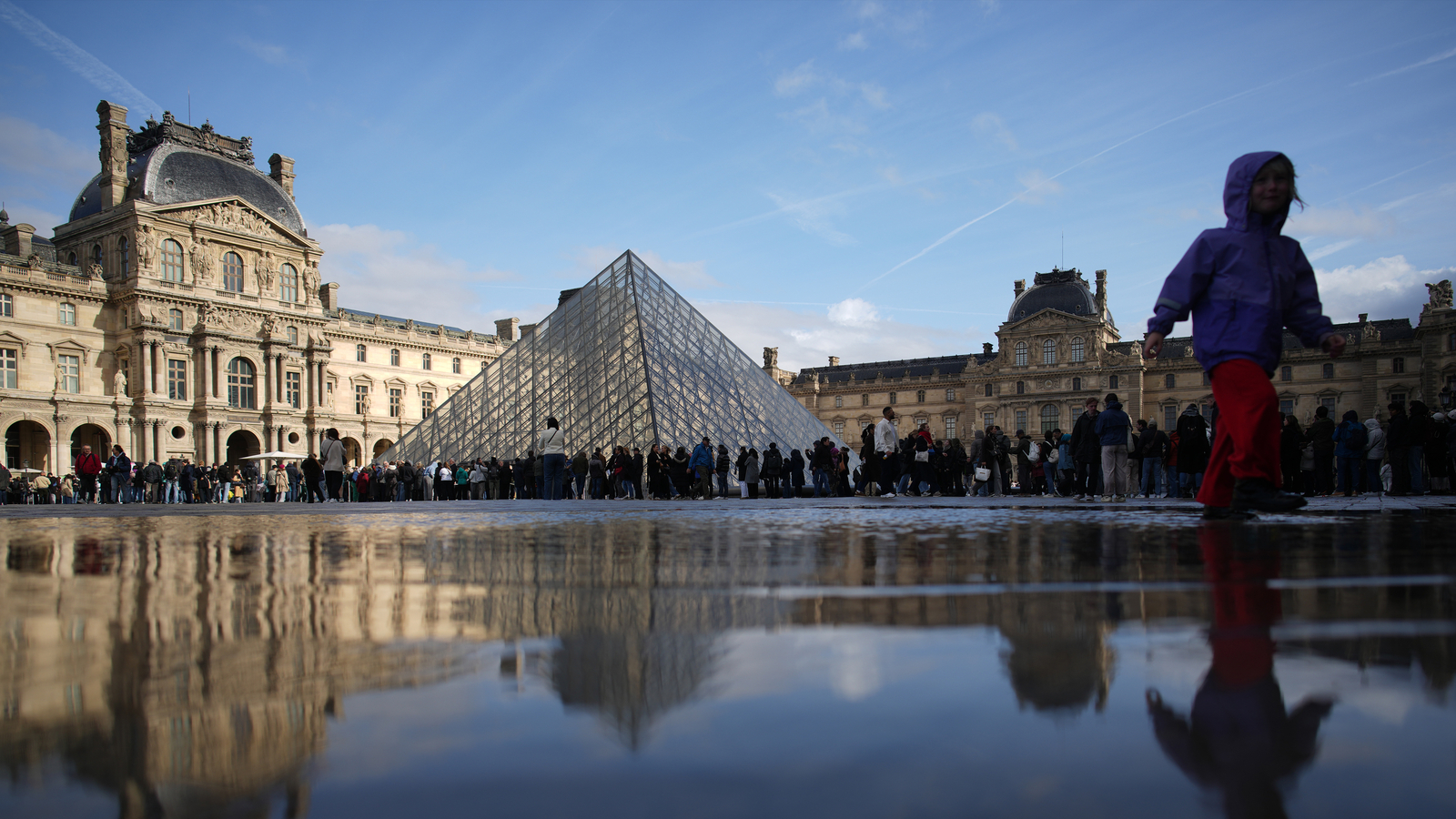
In Paris, the sight of long queues snaking beneath I.M. Pei’s iconic glass pyramid at the Louvre has become as synonymous with the museum as the famed “Mona Lisa” herself. However, those planning a visit will soon face a steeper price for the experience. Starting Wednesday, the Louvre is raising admission fees by 45% for most visitors from outside Europe. This decision comes as the museum grapples with financial challenges following a series of worker strikes, persistent overcrowding, and an audacious heist of the French Crown Jewels that shook the prestigious institution.
With the new pricing structure, entry fees will jump from 22 euros, approximately $26, to 32 euros, or about $37. This increase is part of a broader national policy of “differentiated pricing” announced last year, which is now being implemented across several major cultural landmarks, including the Versailles Palace, the Paris Opera, and the Sainte-Chapelle.
Unions representing French workers have criticized this ticket price hike, arguing that it compromises the Louvre’s mission as a universally accessible cultural institution. The museum, which attracts millions from around the globe to view masterpieces like the “Venus de Milo” and the “Winged Victory of Samothrace,” is facing renewed scrutiny. On Monday, workers staged another strike over pay and working conditions, bringing the museum’s internal tensions back to the forefront.
This pricing change is set to affect a significant portion of the Louvre’s clientele, particularly impacting visitors from non-EU countries such as the United States, which constitutes a large segment of the museum’s international audience. As the Louvre navigates these financial and operational challenges, questions linger about how these changes will influence its global appeal and accessibility.
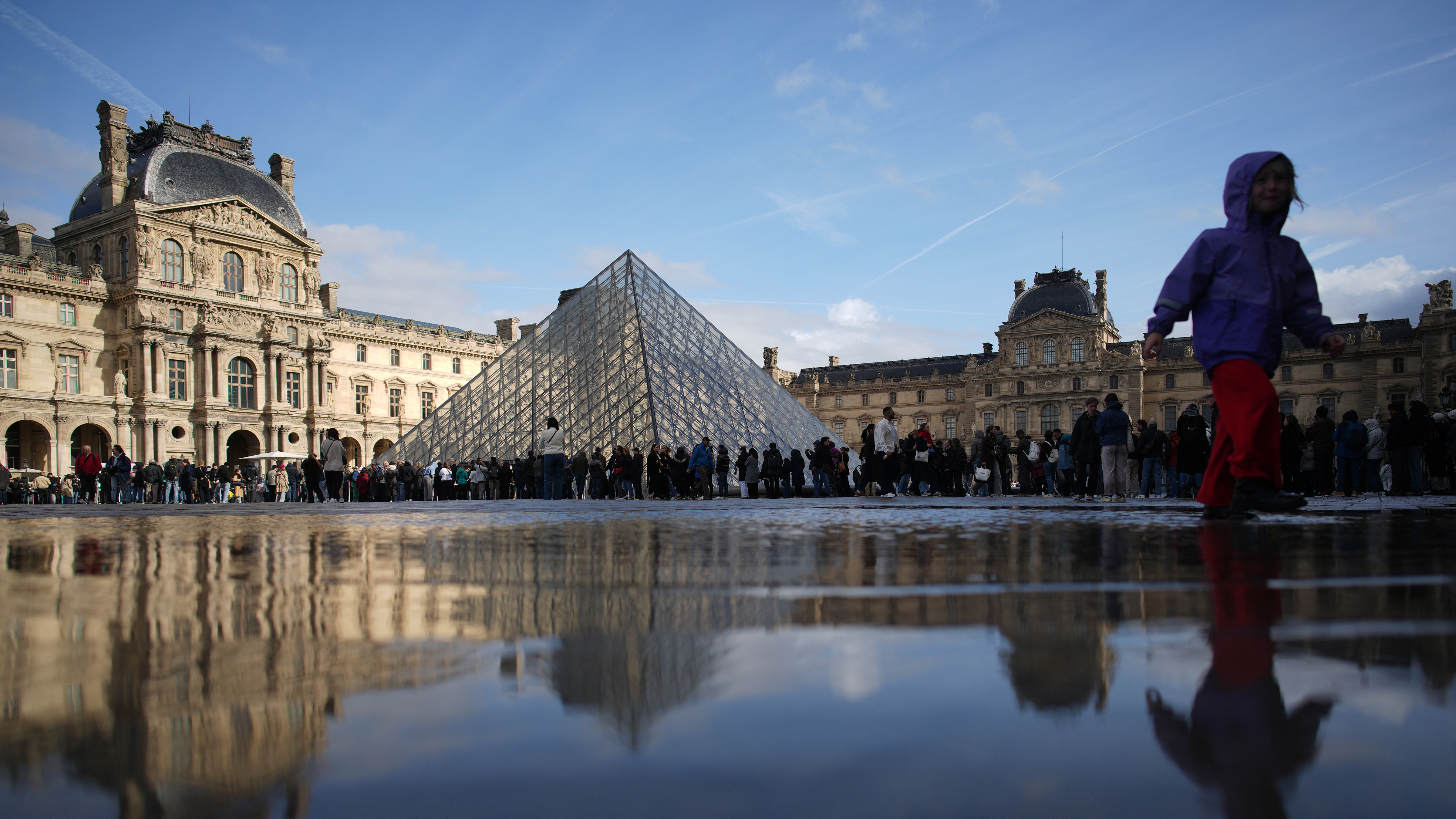
Workers walked out again Monday in the latest strike over pay and working conditions, thrusting the Louvre’s internal strain back into public view.
The change affects visitors from most non-EU countries, including the United States, which typically accounts for the lion’s share of the Louvre’s foreign tourists.
Who pays for the higher rate
Under the new structure, visitors who are neither citizens nor residents of the EU – nor Iceland, Liechtenstein or Norway – will pay the higher rate, the Louvre said.
The 32-euro price applies to individual visitors outside Europe; guided groups will pay 28 euros, with tours capped at 20 people “to maintain the quality of the visit,” the museum said.
Some categories remain eligible for free admission, including visitors under 18.
The last price hike was in January 2024, when the standard entry fee rose from 17 euros ($19) to 22 euros ($24).
The CGT Culture union has denounced the policy, arguing it turns access to culture into a “commercial product” and creates unequal access to national heritage.
Not just the Mona Lisa
The Louvre says it is not alone. Versailles and other flagship tourist attractions are adopting similar two-tier pricing this month.
At Versailles, the “Passport” ticket will cost 35 euros in high season for visitors from outside the European Union, Iceland, Liechtenstein and Norway, compared to 32 euros for visitors who are citizens or residents of those countries. At Sainte-Chapelle, the ticket rises to 22 euros for visitors from outside those countries, versus 16 euros for those within them, according to heritage officials.
The Louvre said the new tariff will help finance investment under its “Louvre – New Renaissance” modernization project and could bring in 15 million to 20 million euros ($16 million to $22 million) more per year.
A heist and an institution under scrutiny
French museums had already been considering higher fees for visitors from outside Europe before the Oct. 19 theft of French Crown Jewels from the Louvre, valued by investigators at about 88 million euros ($102 million).
However, the robbery that was carried out in daylight, in minutes – was a speed and audacity that intensified scrutiny of how France protects its most prized cultural treasures.
It also fueled debate over how major landmarks should pay for upgrades and whether visitors should carry a bigger share of the cost.
Elsewhere in Europe, the standard entry to Rome’s Colosseum, along with the Forum and Palatine Hill, is 18 euros ($20), and an adult ticket for Athens’ Acropolis is 30 euros ($33).
Strike, strike – and strike again
The Louvre has repeatedly been forced to confront its internal stresses in public.
In June, a wildcat strike by gallery attendants, ticket agents and security staff delayed the museum’s daily opening, leaving thousands of visitors stranded beneath the pyramid.
Workers said the Louvre had buckled under mass tourism, citing unmanageable crowds, chronic understaffing and deteriorating working conditions.
By December, unions said the heist and the building’s condition had turned their long-running grievances into a national reckoning. Louvre workers voted to continue striking until what they consider real change comes to the aging former royal palace.
Copyright © 2026 by The Associated Press. All Rights Reserved.