
Share this @internewscast.com

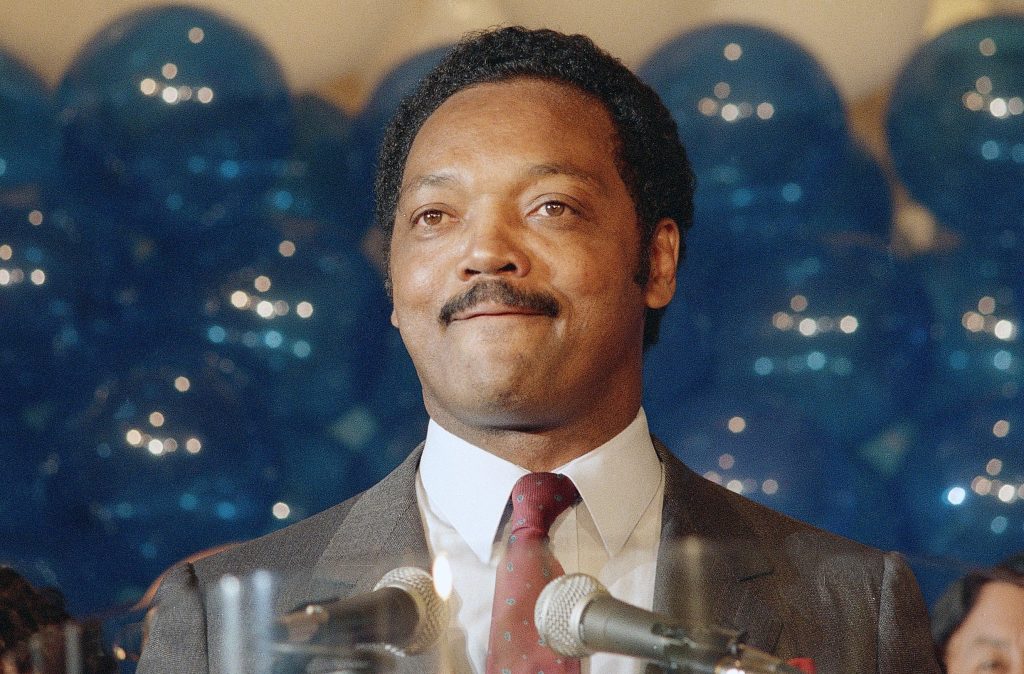
In 1988, the landscape of American journalism was markedly different, reflecting a time when political campaigns were covered with a distinct flair. As a correspondent for Life magazine, I was tasked with reporting on the Democratic presidential nomination race. This campaign saw Massachusetts Governor Michael Dukakis eventually competing against Vice President George H. W. Bush in the general election. My specific focus was on the charismatic yet controversial candidate, Jesse Jackson, who was mounting a spirited challenge against Dukakis and other contenders.
Despite ultimately losing the nomination to Dukakis, Jackson retained significant influence within the Democratic Party, shaping its prospects for the November election. It was during this pivotal summer that I arranged to meet Jackson for an in-depth interview. Welcoming me at his humble residence, Jackson suggested we conduct our conversation outside. He set up two folding chairs in the driveway while his children played a lively game of basketball nearby. Concerned about potential interruptions to my recording, I politely asked Jackson if he would have the game paused.
His response was a firm, “No.”
During our conversation, Jackson unwrapped a hard sugar candy, casually tossing the crumpled wrapper into my bag, as if performing a casual shot on a basketball court. This display, though lacking in courtesy, was characteristic of Jackson’s often challenging interactions with the press, and I found myself yet another recipient of his unpredictability.
Reviewing the interview transcript the following day, I was taken aback by a particularly shocking statement. While discussing the sensitive issue of American hostages held by radical Islamic factions in Lebanon—a significant topic during the campaign—Jackson had made a startling remark: “The problem is the capitalist Jews…”
My initial reaction was disbelief. How had I not caught this during our discussion? Was the noise from the basketball game a distraction? The implications of his comment were particularly incendiary, especially considering his previous controversial remarks in 1984, when he had referred to Jews using derogatory terms, calling New York City “Hymietown” as reported by The New York Times.
My editors and I replayed the tape multiple times. Knowing what an explosive story this would make, we wanted to be sure of what he said. It was difficult to understand, even if did seem to match the transcript. Still, we decided we couldn’t print it without first confronting him.
I called Jackson at his home and carefully read the words to him. Surprised and a bit angry, he requested that the transcript be faxed to him. He then called back and clarified what he was saying — that “the problem is the captors use the hostages to get what they want” (meaning what they could not get through peaceful means) and not a reference to “capitalist Jews.” Listening to the tape again, that made perfect sense.
We all know that journalism in the age of print was deliberate, circumspect, more forgiving, and determined to get it right, an approach requiring time and considerable benefit of the doubt. Still, the story makes me wonder. How would such an episode play out today?
In our rush-to-social media climate, bombshell remarks like that go viral minutes after they’ve been spoken, even if they might have been misheard, and the damage can be substantial.
With Jackson, I am glad we got it right.
Brewster is a veteran journalist who worked for Time Life and ABC News. With Peter Jennings, he co-authored “The Century,” a bestselling history of the 20th century.