
Share this @internewscast.com
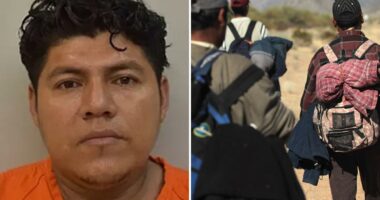
In a controversial move, a Nevada judge has defied a Justice Department warning by ordering the release of Harvey Laureano-Rosales, an illegal immigrant and known member of the MS-13 gang, who has been convicted of murder. The decision has stirred significant debate, with concerns over public safety taking center stage.
U.S. District Judge Richard F. Boulware II, who was appointed by former President Barack Obama in 2014, mandated the release of Laureano-Rosales on January 21. The 54-year-old national of El Salvador had illegally entered the United States in 1987, and his release has sparked a legal and ethical discussion.
The release was prompted by allegations in court documents claiming that the government attempted to deport Laureano-Rosales to Mexico without adhering to due process, allegedly breaching the Administrative Procedure Act. This legal contention led to his subsequent release back into the community.
The Nevada U.S. Attorney’s Office has expressed its intent to pursue further legal measures in response to the judge’s decision. They emphasized the potential threat to public safety that Laureano-Rosales’ release represents.
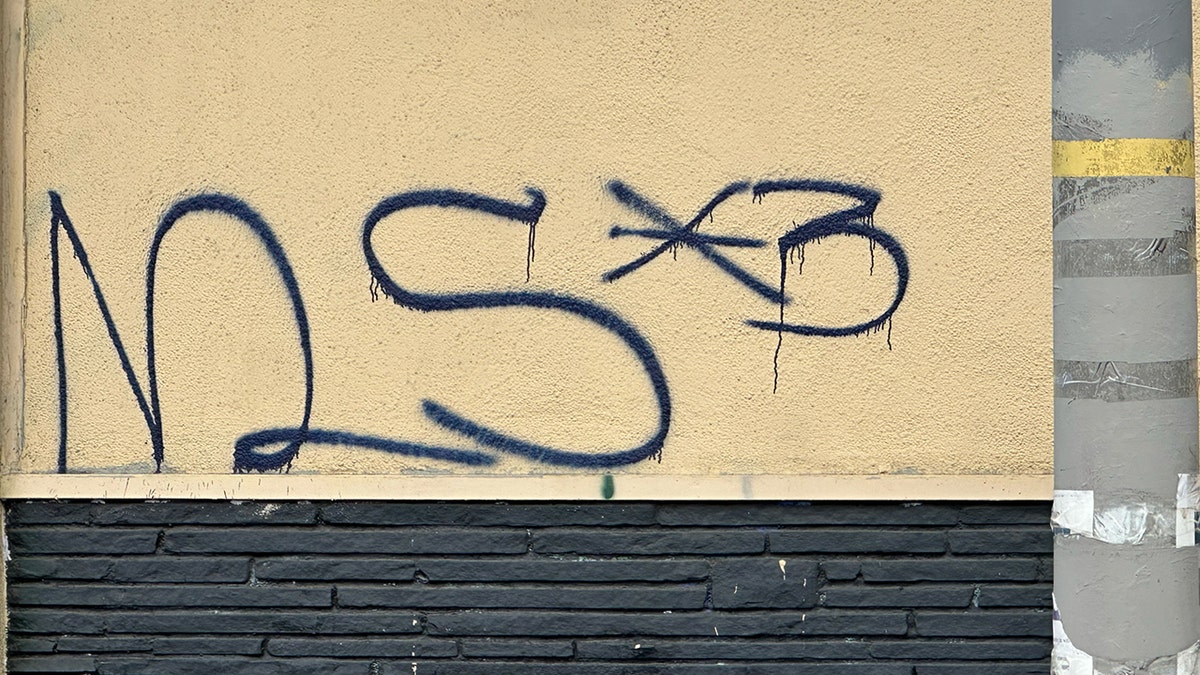
Laureano-Rosales is reportedly associated with the notorious MS-13 gang, identifiable by his gang-related tattoos, according to sources including John Alle of the Santa Monica Coalition.
Sigal Chattah, First Assistant U.S. Attorney for the District of Nevada, underscored the office’s dedication to upholding public safety and enforcing laws. “This case results in a convicted murderer and recognized MS-13 gang member being released into the community, which undeniably raises serious public safety concerns,” Chattah stated.
“We are deeply troubled by the risks posed to the public and will continue to pursue all lawful avenues to address those concerns and safeguard the community,” she added.
The U.S. attorney’s office said Laureano-Rosales has a final order of removal from the U.S., meaning he is required by federal law to remain in immigration custody, and releasing him conflicts with that law.
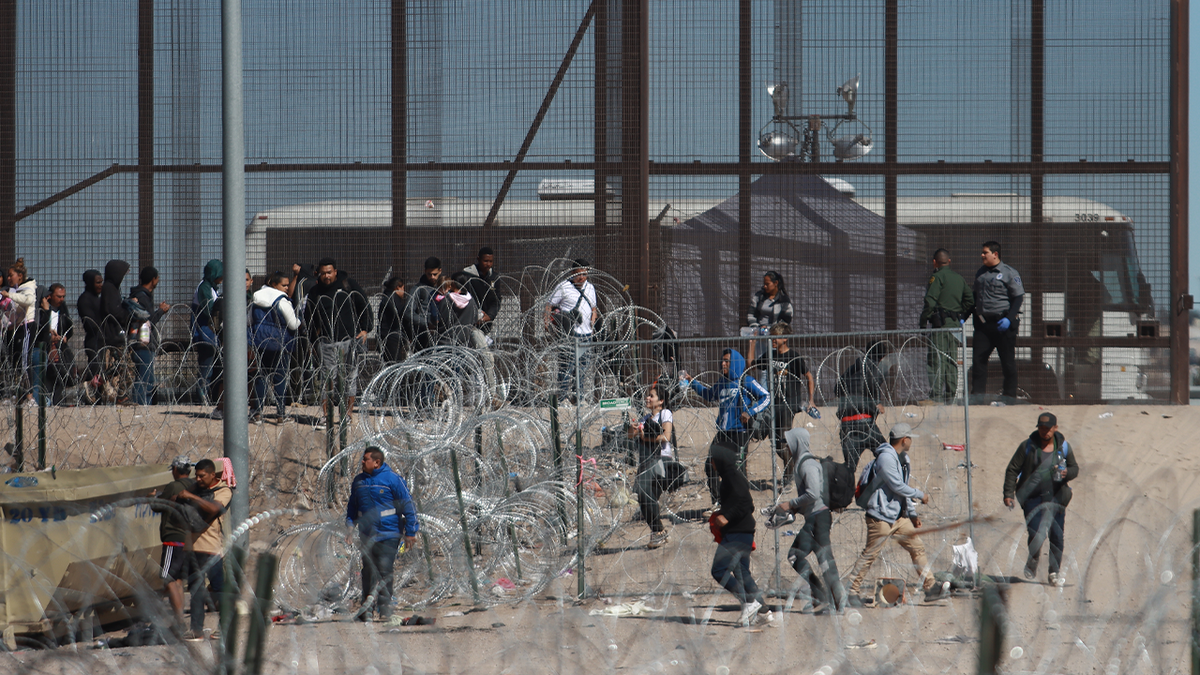
Officials said Laureano-Rosales crossed the southern border into the U.S. illegally when he was 16 years old. (Christian Torres/Anadolu via Getty Images)
While Laureano-Rosales’ immigration case was ongoing, the U.S. Court of Appeals for the Ninth Circuit ordered removal should proceed, triggering the mandatory detention period required by federal immigration law.
Court documents allege when Laureano-Rosales entered the U.S. nearly 40 years ago at age 16, he became a member of MS-13, kick-starting a violent criminal career.
He was convicted of a number of gang-related crimes, including first-degree murder, and granted parole in November 2022.
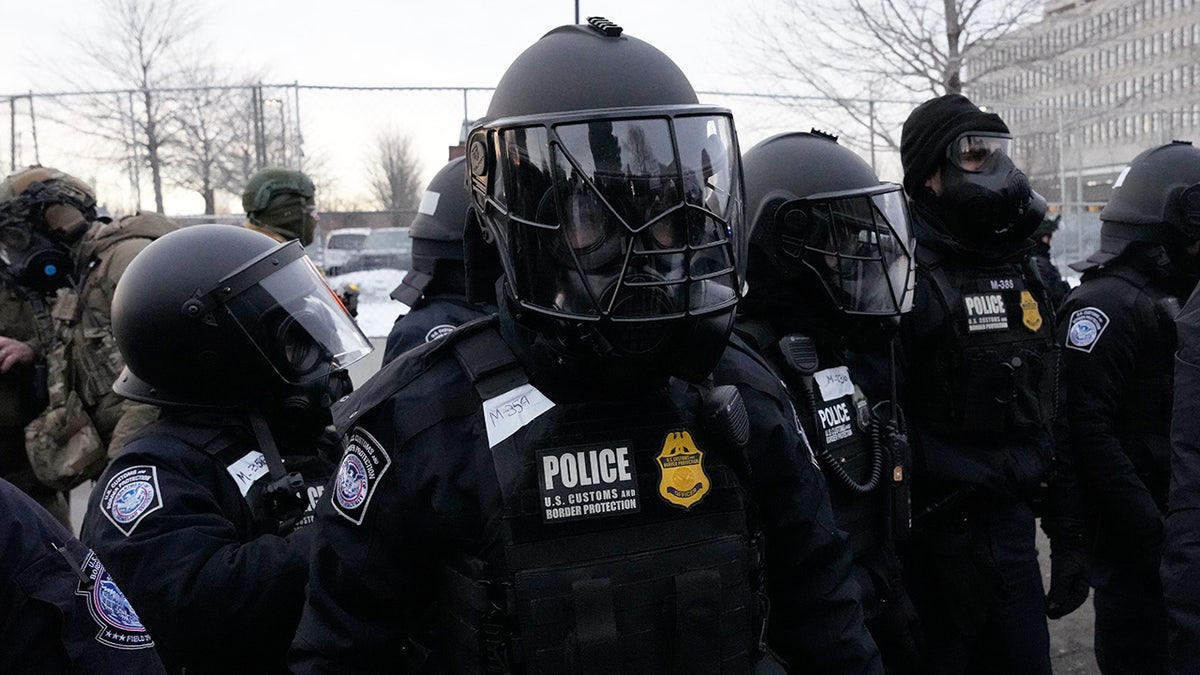
U.S. Customs and Border Protection (CBP) officers stand outside the Bishop Henry Whipple Federal Building during a protest, Jan. 17, in Minneapolis. (AP Photo/Yuki Iwamura)
Days after being paroled, Laureano-Rosales was taken into custody by ICE, where he has remained for the last two-and-a-half years.
Attorneys claim Laureano-Rosales is no longer a part of MS-13 or the Mexican Mafia, and was not deported under the Biden administration due to fears he would be tortured or killed if sent back to El Salvador or Mexico.