

EXCLUSIVE: NEW YORK CITY — In the heart of Brooklyn, a landlord’s struggle has spiraled into a nearly ten-year ordeal, leaving him entangled in a legal quagmire that has drained him of hundreds of thousands of dollars. The root of this ongoing saga lies in unpaid rent and mounting legal fees, exacerbated by constant delays in New York’s court system, allowing a tenant to remain in the apartment without rendering direct rent payments to him.
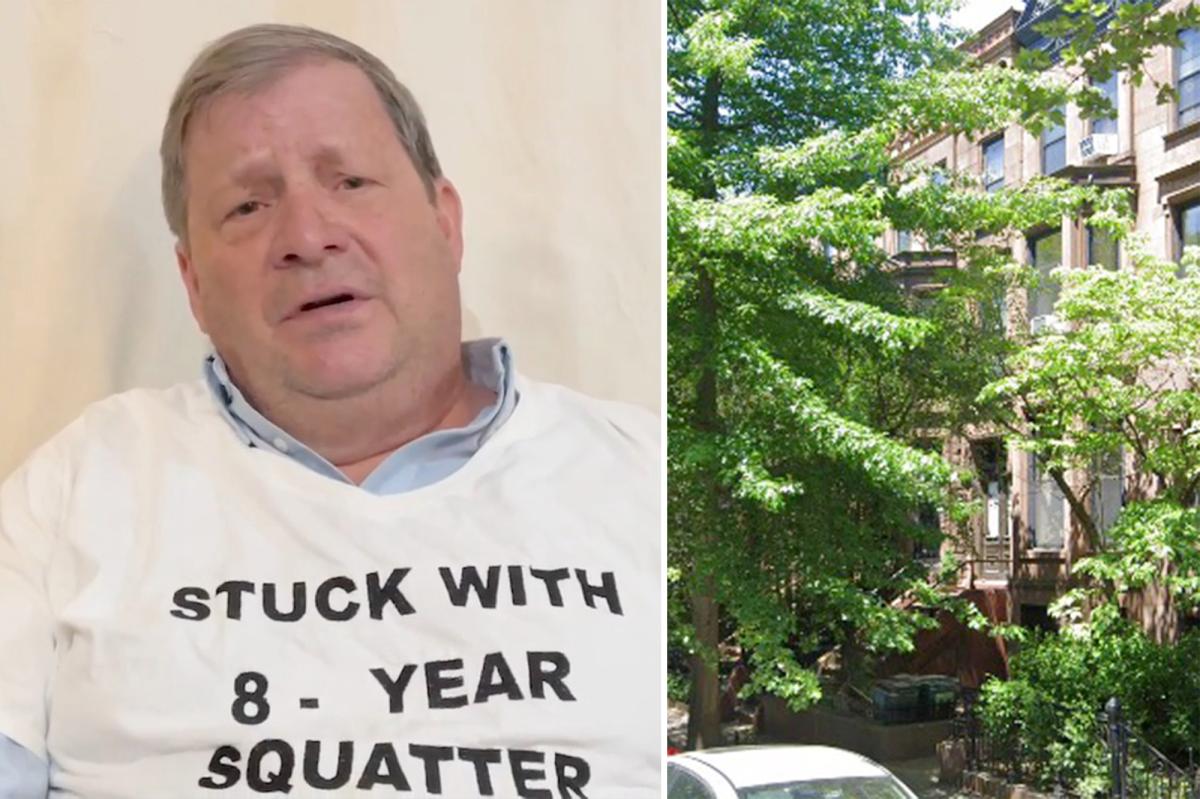
Thomas Diana, the owner of a modest eight-unit property nestled in Park Slope, shared with Fox News Digital the trials he’s faced since 2014. This all began when a woman moved into one of his apartments under the guise of being a live-in companion for an elderly, disabled tenant.
The complexities of this case are underscored by court documents, which reveal that the woman answered a Craigslist ad seeking a live-in companion for the elderly tenant. The situation took a dramatic turn after the tenant passed away in 2016, leading to a protracted legal battle that has dragged on for years.
Following the tenant’s death, the focus shifted to the woman’s claim to tenancy, her rent obligations, and whether the apartment fell under New York’s rent-stabilization laws. Diana, on his end, pursued overdue rent payments and sought to reclaim possession of the apartment.
“This ordeal has stretched over nine years, and justice seems elusive,” Diana expressed to Fox News Digital. “Each time we near a resolution, delays arise—be it a change of lawyers or a new twist in the tale.”
The tenant has reportedly cycled through at least eight different attorneys throughout this drawn-out legal drama. Diana describes the situation as a “9-year squatter situation.” However, the core of the dispute revolves around the interpretation and application of rent stabilization laws, with both parties contesting nearly every facet of the case.
“It drained my daughter’s college fund,” Diana told Fox News Digital inside his home while wearing a now-outdated T-shirt that says, “Stuck with 8-year-squatter.”
“Now we’re borrowing money to pay for college while this just keeps dragging on. It gets pretty stressful. People think eviction cases are like TV where it takes two weeks. In New York it can take years, and this one has turned into almost a decade.”
Attorneys for the tenant strongly dispute Diana’s characterization of the case, and the tenant at one point sued Diana, claiming the apartment had been improperly removed from rent stabilization protections.
“Mr. Diana’s distortion of the facts in this case is a sad attempt to harass our client out of her rent-stabilized apartment, and he will not be successful,” Casey Gilfoil, an attorney with Brooklyn Legal Services, told Fox News Digital.
Gilfoil said a judge has already ruled Diana improperly removed the apartment from rent stabilization and said the remaining issue before the court is determining the legal rent and any potential damages.
Brooklyn Legal Services also says the tenant has money set aside in escrow pending the court’s final ruling.
Diana pushed back, saying the court did not find that he committed fraud and that he followed the guidance he says he received from New York State Division of Housing and Community Renewal when the apartment was deregulated years before the tenant sued. “The judge ruled there was no fraud,” Diana told Fox News Digital. “She said I incorrectly destabilized the apartment. I did it as they told me to.”
Diana also disputed Brooklyn Legal Services’ claim that the tenant has years of rent saved in escrow, saying the numbers do not add up and that, based on court communications regarding her employment history, it is unlikely she has accumulated “anywhere near” $300,000.
Diana says the occupant’s lawsuit relied on what he describes as a series of shifting and contradictory claims, including allegations that the original elderly tenant was not disabled, that the occupant had been on the lease and that the apartment was illegally deregulated.
During depositions, Diana said his attorney challenged those claims with emails, photographs, rent records and testimony. He contends the allegations did not withstand scrutiny during questioning.
“She got destroyed on all 18 claims,” Diana said. “And once those fell apart, they just made up new ones.”
Court stipulations required the occupant to make monthly use-and-occupancy payments, similar to interim rent payments, of roughly $835 per month at one point, but Diana says those payments stopped years ago. He estimates total unpaid rent now ranges between $275,000 and $325,000.
In her deposition, the occupant testified she has not worked full time in years and has limited income, a factor Diana says the courts have effectively allowed to justify continued nonpayment.
Diana, who started a GoFundMe page to help with his financial struggles, says the prolonged case has left him struggling to maintain his building and cover basic expenses, including tuition for his children.
“One apartment out of eight not paying rent wipes out any profit,” Diana said. “Judges talk in terms of months. They don’t talk about what $300,000 actually does to a family.”
He also pointed to an overall problem with the system and described repeated housing court inspections that he says resulted in excessive and duplicative violations, which further delayed proceedings and increased costs.
“They’ll cite you for a paint drip from 20 years ago and call you a slumlord,” Diana said. “Meanwhile, the tenant hasn’t paid rent in nearly a decade.”
Diana says his case highlights what he views as a systemic imbalance in New York’s housing courts that allows bad-faith actors to exploit tenant protections indefinitely.
“They tell you to sell your building. They tell you to accept a buyout, to pay the person who owes you hundreds of thousands of dollars,” he said. “That’s not justice. That’s legalized theft.”
In April, the case was adjourned again until this summer, essentially guaranteeing that the saga will extend into its 10th year.
“This court case has become a Twilight Zone Marathon,” Diana said.


1 comment
This is what happens when Democrats are in charge, criminals are first and second priority.
if they had mandatory rent deposits this would not be happening.