
Share this @internewscast.com
On a warm summer afternoon in 2023, Michelle Fraser received a distressing call from her daughter about an unfamiliar man loitering in the yard of their Queens home. Confused and concerned, Fraser also discovered a voicemail from a caseworker who informed her of a child neglect report filed against her, claiming her teenage son was not attending school.
Fraser rushed back to their Kew Gardens residence with her son, Jacob, who has autism and epilepsy and is non-verbal. Upon arrival, child protective services requested to inspect the children’s rooms and review medical records. Meanwhile, Jacob, visibly upset, retreated outdoors.
When questioned about the source of the report, the caseworker inadvertently revealed that it was filed by an employee of the New York City public school system. Fraser was shocked, especially since she had engaged in a heated dispute with city authorities earlier that day over finding the appropriate school for Jacob.
In a complaint filed in Brooklyn federal court on Thursday, Fraser claimed that a Department of Education psychologist, potentially under directive from a supervisor, contacted New York’s child maltreatment hotline. The lawsuit, spearheaded by the civil rights group Family Justice Law Center, argues that there is a recurring issue of retaliation against parents who advocate for their children, particularly those with disabilities, and are subsequently reported for child abuse or neglect by the city’s school system.
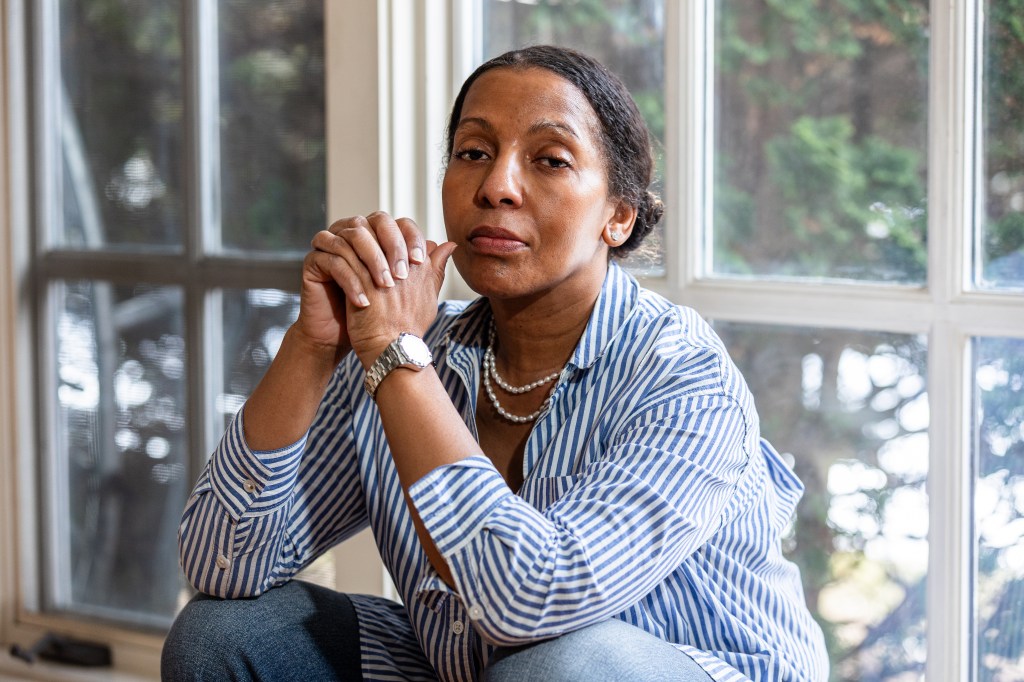
“The security of my entire life was shattered because someone decided to retaliate against me for standing up for my child,” Fraser expressed in an interview with the Daily News.

The lawsuit highlights a significant development in nearly a decade of reported cases where families allege that schools, while legally required to report suspicions of child maltreatment, have misused child protective services as a tool to intimidate or pressure parents who challenge the system.
“While any number of reasons may lead a teacher, administrator, or other staff member to report a parent, DOE [Department of Education] staff are reporting parents of students with disabilities in retaliation for their advocacy — to intimidate or coerce ‘difficult’ parents into dropping their concerns,” read the complaint, which was filed with Orrick, Herrington & Sutcliffe, an international law firm based in San Francisco, and Peter Romer-Friedman Law PLLC.
Fraser’s lawyers are asking a Brooklyn federal judge to find “DOE’s custom, pattern, and practice of retaliatory reporting” to the hotline unconstitutional and in violation of federal disability protections, and stop school workers from using it going forward. The family is also seeking new trainings for DOE employees and financial compensation.
Spokespeople for the city’s school system and law department did not immediately return a request for comment.
Fighting for your kid
In 2015, Jacob began attending a special education program at a Long Island YMCA. Every year, Fraser brought his case to an impartial hearing officer, where she argued local public schools couldn’t accommodate his disabilities, according to the complaint. Every year, that person agreed with her and directed the city to cover the costs of the private program.
Then in 2023, the city proposed placing Fraser’s son in a public school that offered occupational therapy, but not a service known as “Applied Behavioral Analysis” recommended by his doctors, court documents show. His placement would be at an offsite location just for children in special education; at the YMCA, Jacob learned alongside classmates both with and without disabilities.
Fraser didn’t find the school appropriate and let the city know as much. For about a month, she went back and forth with officials, who also pushed homeschool or a re-evaluation instead of the costly YMCA program.
Before a caseworker showed up at her house, emotions were running high, and talks had turned acrimonious. During the phone call that day, the Department of Education psychologist yelled at Fraser that her son “needs to be in a school,” she alleged in the complaint. Fraser told the person to “have a good day” and ended the call.
That same afternoon, the lawyers allege, a call was made to the state’s central registry, triggering a follow-up by the city’s child welfare agency, the Administration for Children’s Services.

According to court documents, the school psychologist told the child welfare caseworker she made the report because the “stalemate” with Fraser had “been going on too long,” and her supervisor “wanted ACS involved.”
ACS has acknowledged that Black families are overrepresented in the child welfare system, with 36% of hotline calls it responded to last fiscal year involving Black parents, according to a yearly demographics report. Fraser is Black.
Child welfare officials confirmed there was no immediate or impending danger to Jacob, who is now 19, and Fraser’s lawyers said she was put on the “CARES” track, which is more deferential to families and does not involve the court system.
However, Fraser said the experience — which included home searches and interviews — was traumatizing for her and her autistic son. It was also hard on her younger daughter, Mia, who was 13 at the time and not the subject of the allegation, but she too was interviewed and her school called by ACS.
“I walked into school I think days later,” said Mia. “All I could think to myself was, I don’t want this to become a public thing. I don’t want my friends to know. I don’t want my teachers to know.”
Years later, Mia, now 16, is more open about the experience — but she still thinks about the trauma that it caused.
“I did mention it in one of my college essays,” she added. “One of my drafts was about the incident, and how all I could think about in the entirety of the situation was, what’s going to happen to my brother?”
“I couldn’t put two and two together. And now, I realized why I couldn’t put two and two together: Because it didn’t make sense.”

Fraser told The News that she hopes her lawsuit will push the Department of Education to better serve children with disabilities.
“That’s the job: Educating Jacob,” Fraser said. “This was the mistake they made this time. They hoped I would take it personally and act like it’s me, that they’re coming after me. But this is clear they are going after Jacob.”
“They went after my son, and they’re using me as a vehicle, and they must stop,” she added. “They need to do their job.”