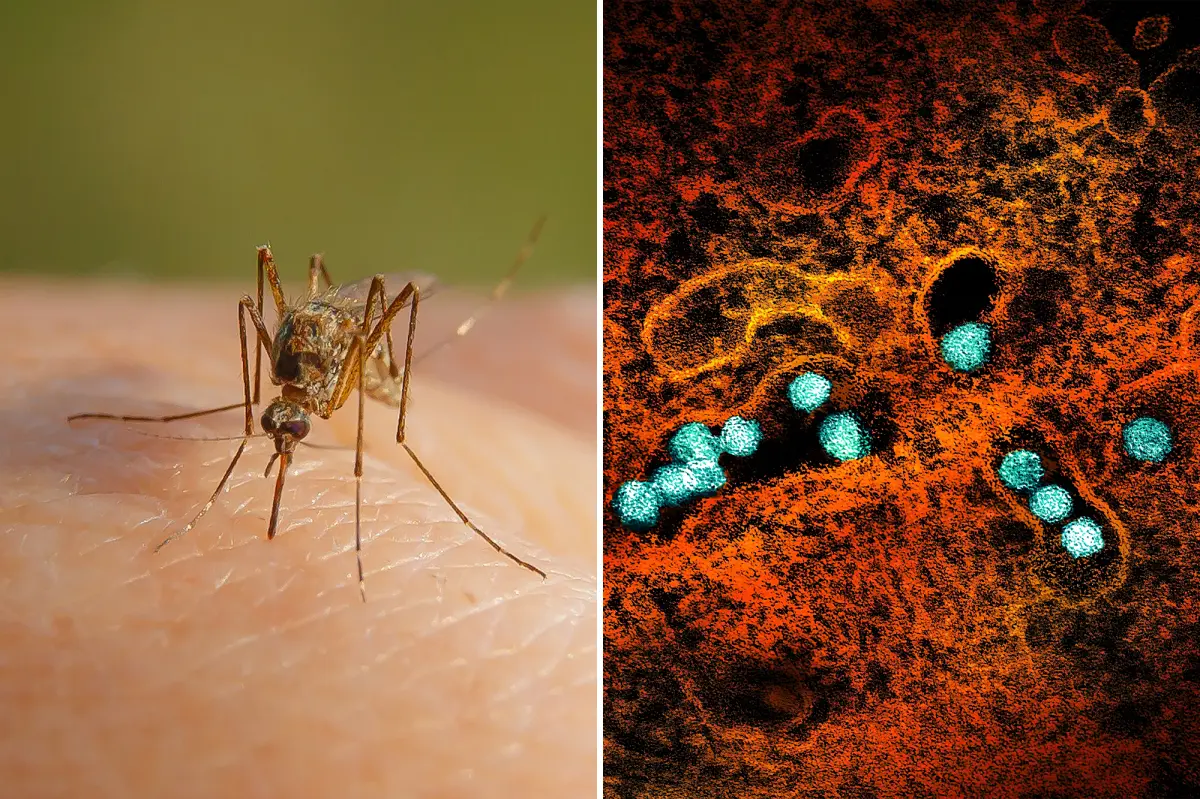

The number of New York City residents diagnosed with the potentially serious West Nile virus this year has already exceeded the city’s total for all of 2025, according to health department data.
At least 30 people have contracted the mosquito-borne illness since the first case was reported in early August, compared with 18 cases recorded throughout 2025.
West Nile virus cases have been reported in all five boroughs, with Brooklyn leading the city at 11 confirmed infections.
Queens and Staten Island have each recorded seven cases, while the Bronx has reported three and Manhattan two.
Of the 30 confirmed cases in New York City, 24 involve West Nile neuroinvasive disease, the more severe form of the illness, which can include encephalitis, meningitis or acute flaccid paralysis.
The other six cases have been classified as West Nile fever, with no signs that the virus affected the central nervous system.
The city has also recorded a sharp rise in mosquito pools testing positive for West Nile virus. More than 1,700 positive samples have been identified in 2026, up from slightly over 1,300 last year.
The number of positive mosquito samples recorded in New York City this year is a record, according to city health official Sally Slavinski.
Slavinski, director of the city Health Department’s Zoonotic and Vector-Borne Disease unit, attributed the increase in part to warmer temperatures.
“We know that warmer temperatures can accelerate the mosquito life cycle and speed up viral replication in the mosquito, so that’s gonna shorten the time that it takes for there to be an infected mosquito and then transmit that virus,” Slavinski told Gothamist.
Increased rainfall and humidity also create conditions in which mosquitoes can flourish, she said. Longer, warmer seasons mean mosquitoes appear earlier and remain active later, creating more opportunities for West Nile virus transmission.

The Health Department tracks mosquito populations and applies pesticides during the summer to help reduce their numbers.
West Nile virus is the only mosquito-borne disease known to spread to humans in New York City, where it has affected residents for more than 25 years.
Most people infected with West Nile virus never develop symptoms. About one in five, however, may experience a mild illness involving fever, headache, body aches, nausea and vomiting.
Slavinski said the relatively high share of confirmed neuroinvasive cases suggests that many infected New Yorkers never become sick enough to seek medical attention, meaning the official case count may not capture the full extent of transmission.
“Young, healthy people are not even realizing they may be infected or might have some mild illness,” she told the publication, noting that such people are “not necessarily getting tested.”
“So we don’t know about these folks that weren’t sick or had mild illness,” Slavinski said.
The city official added that those most likely to be tested for West Nile disease are people who become seriously ill, are hospitalized and undergo further medical evaluation.
“These are the folks with West Nile neuroinvasive disease,” she said.