
Global oil prices climbed above $100 a barrel on Thursday for the first time since May, after Yemen’s Houthi militants said they had hit two Saudi tankers in the Red Sea.
The claimed strike, unfolding as the United States and Iran continued exchanging attacks, raised fears that an already severe oil shock could intensify further.
Brent crude futures, the global benchmark for oil trading, briefly moved past $100 a barrel Thursday morning before easing to $99.70. Even after that pullback, prices were up about 28% over the past month, reaching their highest level since May 26.
Wall Street fell as investors reacted to the surge in energy costs. The Dow Jones Industrial Average lost 375 points, or 0.7%, while the S&P 500 also slipped 0.7%. The tech-heavy Nasdaq declined 1.4%.
The recent rise marks a sharp reversal for crude, a major driver of gasoline prices. The national average for a gallon of gas now stands at $4.09, according to AAA, after moving above $4 earlier this week.
Oil had briefly dropped last month to its lowest point since before the Iran war began in late February, after reports that a preliminary deal to end the conflict had been reached.
Renewed large-scale fighting between the U.S. and Iran has since put that agreement at risk.
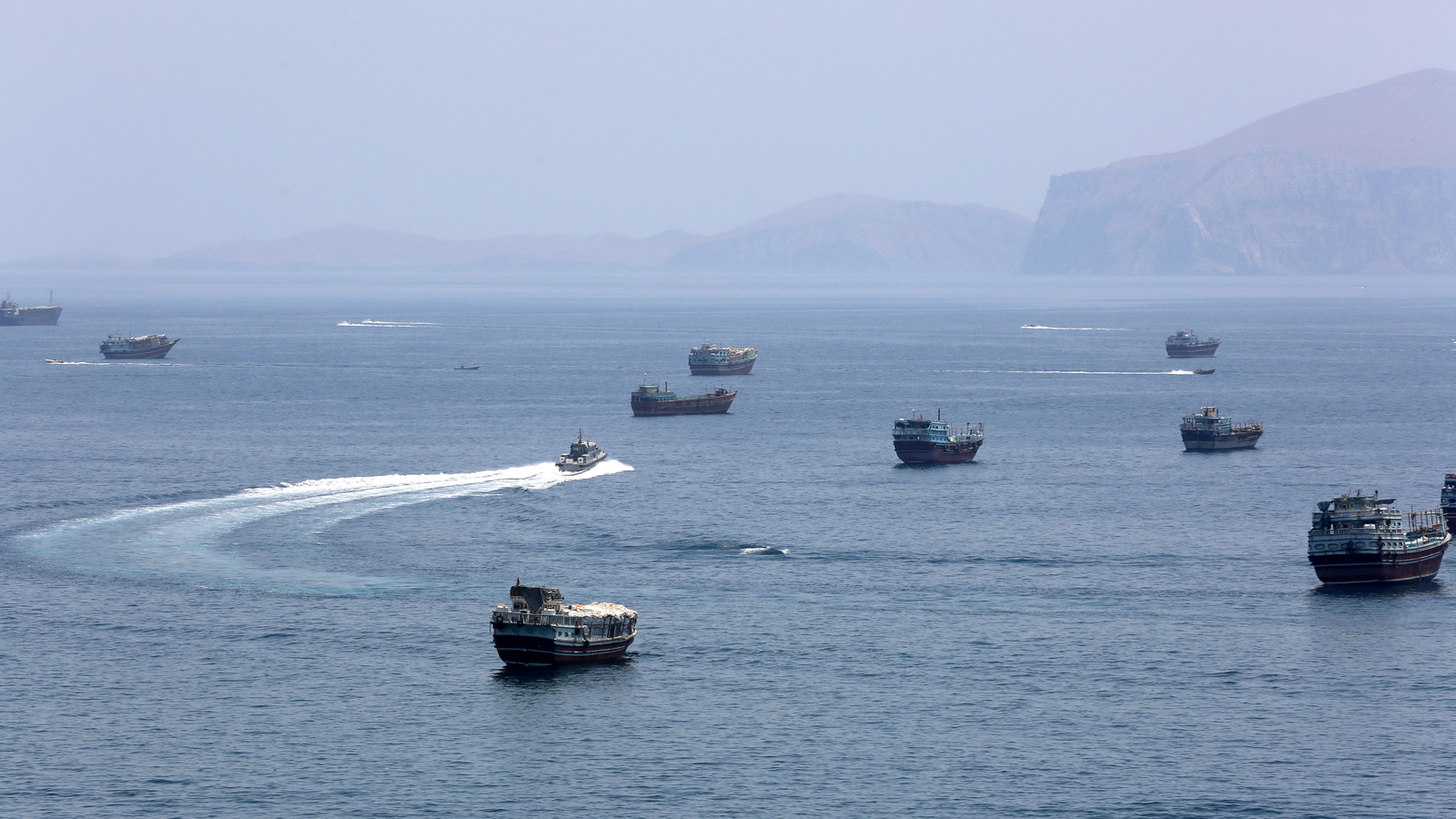
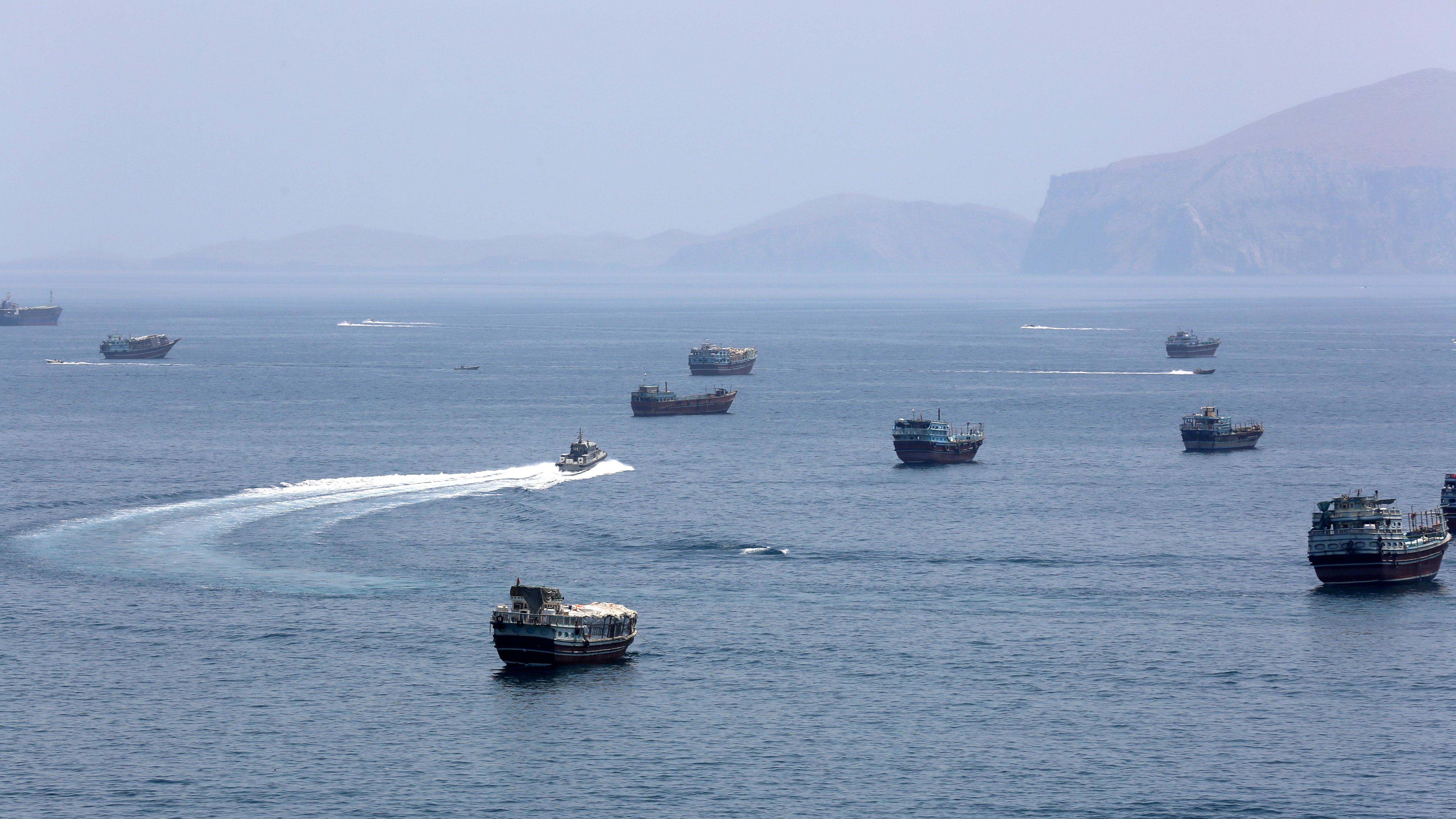
Shipping through the Strait has dropped sharply in recent weeks as the Iran war has escalated. The maritime route carries roughly one-fifth of the world’s oil supply.
The U.S. resumed its naval blockade of the Strait last week, reversing a key commitment made as part of the agreement between the U.S. and Iran. That move came after Iran fired upon oil tankers in the strait.
Saudi Arabia relies on an alternative route through a pipeline that stretches across the country to the Red Sea, where tankers load and transport the crude. The reported Houthi attack on Wednesday, however, risked a slowdown of freight traffic along that waterway.
Copyright © 2026 ABC News Internet Ventures.