
Share this @internewscast.com

As the Oscars continue to battle for viewer engagement, the 98th Academy Awards saw their audience dwindle to just 17.9 million viewers on ABC and Hulu. This represents a 9% drop from the previous year, marking the lowest viewership since 2022.
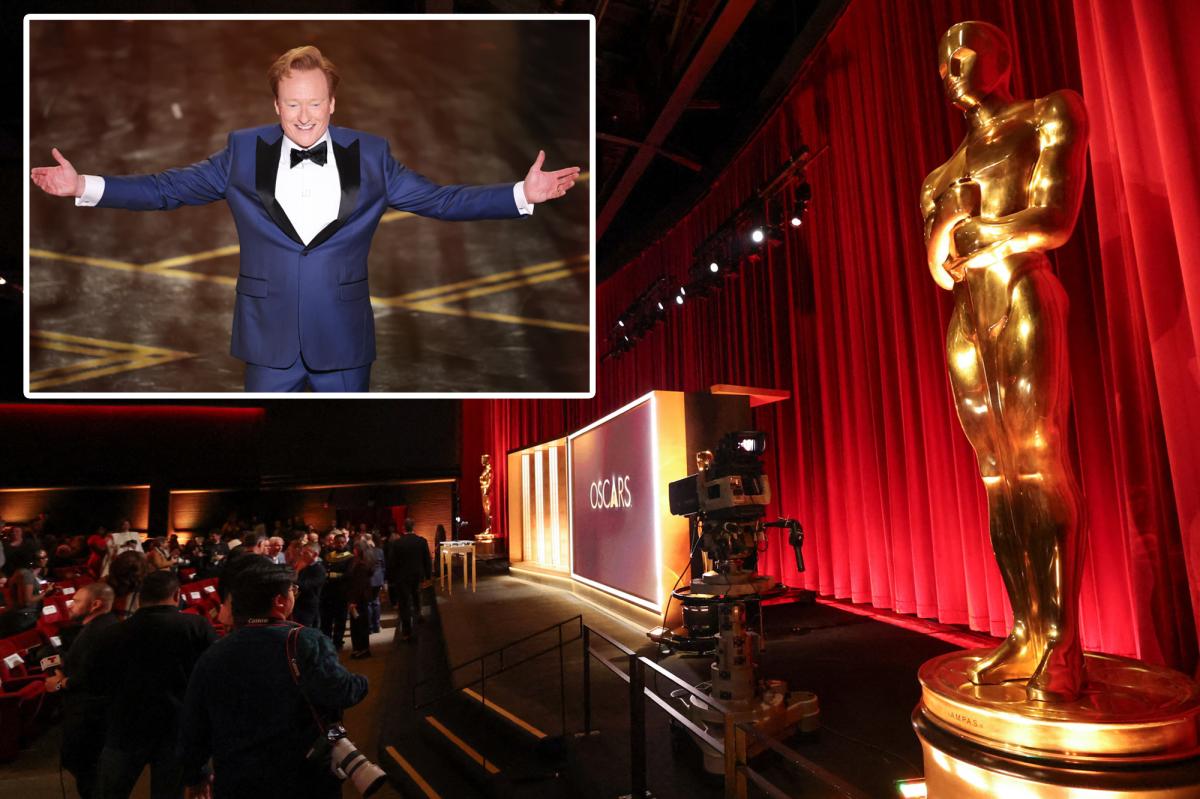
Despite the return of host Conan O’Brien, known for his late-night comedy and witty exchanges, the show struggled to capture the attention of its audience. Even with the excitement of the Best Picture award going to “One Battle After Another,” the ceremony failed to keep viewers from reaching for their smartphones.
While the televised event grappled with declining numbers, social media emerged as the true champion of the night. The Oscars generated a stunning 184 million impressions across platforms like Twitter, Instagram, and TikTok, a 42% increase from 2025. Memes, short clips, and lively commentary dominated the digital space, indicating that while traditional viewing may be waning, interest persists in a more condensed, shareable format.
This shift in viewing habits is part of a broader trend affecting awards shows, as audiences increasingly favor streaming services and quick, digestible content. To put things in perspective, the 1998 Oscars boasted a staggering 57 million viewers, illustrating the steep decline in live broadcast audiences over the years. Even before the pandemic, these events typically commanded larger audiences than they do today.
The decline in TV audiences is part of a larger trend. Awards shows have struggled as viewers turn to streaming platforms and short-form content.
For perspective, the 1998 Oscars drew 57 million viewers, highlighting just how far live broadcasts have fallen. Even pre-pandemic ceremonies regularly pulled higher numbers.
The show ran over three hours and featured dozens of awards, musical performances and tributes.
Some critics argue that long runtimes, combined with slow pacing, have turned viewers off. Modern audiences are used to faster entertainment and instant gratification.
The Academy is already looking ahead. The Oscars will move from ABC to YouTube in 2029. The hope is that younger viewers, who prefer scrolling over sitting still, will find the show more accessible online.
Industry insiders say the decline is not unexpected. Traditional awards broadcasts now compete with streaming releases, social media, video games and other distractions.
Experts warn that unless the Oscars adapt to new viewing habits, ratings could continue to slide.
Despite the ratings drop, the night still delivered memorable moments. Acceptance speeches sparked viral headlines.
Download The California Post App, follow us on social, and subscribe to our newsletters
California Post News: Facebook, Instagram, TikTok, X, YouTube, WhatsApp, LinkedIn
California Post Sports Facebook, Instagram, TikTok, YouTube, X
California Post Opinion
California Post Newsletters: Sign up here!
California Post App: Download here!
Home delivery: Sign up here!
Page Six Hollywood: Sign up here!
Musical performances lit up the stage. And for diehard film fans, the Oscars remain the ultimate celebration of Hollywood glamour, even if most viewers are watching it secondhand on their phones.
The message is clear: the Oscars are evolving. Live TV is no longer the main stage. Social media is.
And the next few years will show whether Hollywood’s biggest night can stay relevant in a world where attention spans are shorter and screens are smaller.