

New York City’s public transit system is renowned for its ability to transport millions daily. However, for the nearly one million New Yorkers and visitors with disabilities, it has long been a barrier to full participation in city life. These individuals have faced challenges accessing education, employment, healthcare, cultural institutions, and social gatherings due to the transit system’s lack of accessibility.
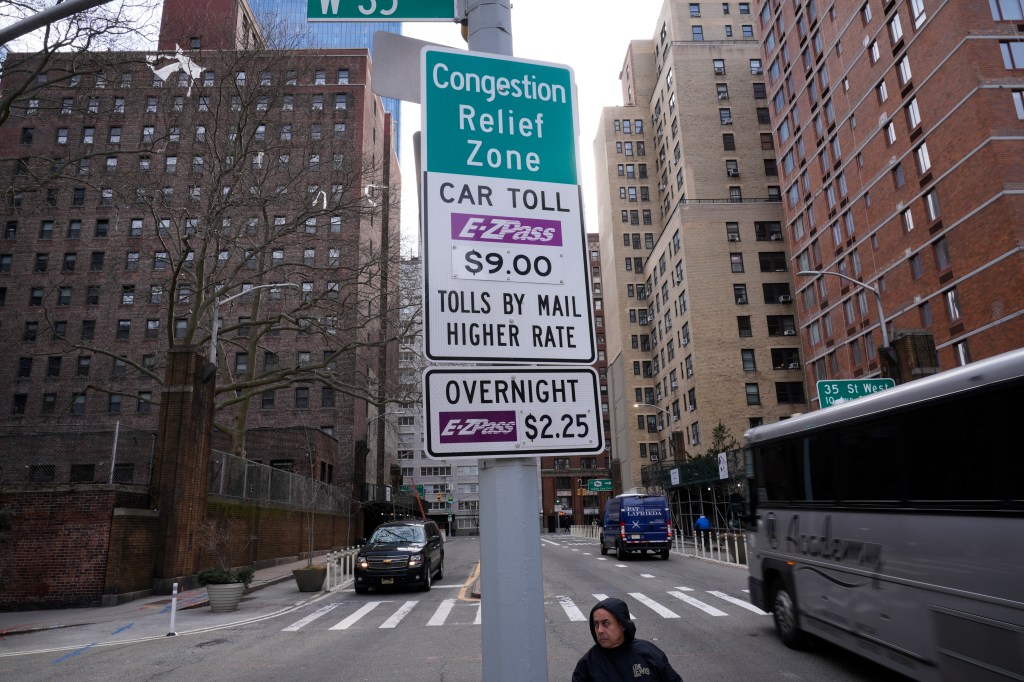
In response, disability justice advocates have championed the city’s congestion relief program. Despite facing significant challenges and public skepticism, this initiative has finally been realized. The program aims to alleviate car traffic, accelerate paratransit and bus systems, improve air quality, and fund essential accessibility upgrades, addressing several historical flaws in the city’s transportation infrastructure.
Almost a year into the program’s implementation, the results have been promising, making NYC safer and more accessible for people with disabilities—a win for all residents.
Examining the broader impact, congestion pricing has led to a marked decrease in traffic. Since January, nearly 18 million fewer vehicles have entered the designated zone, alleviating gridlock and improving bus commute times. Traffic injuries have decreased by 15%, and pedestrian fatalities have reached historic lows. Additionally, the air quality has improved, with reduced levels of fine particulate matter, resulting in cleaner air and safer streets.
These changes are particularly significant for people with disabilities. Safer streets and the reduction in fatalities are crucial, as individuals in wheelchairs are disproportionately affected by car-pedestrian accidents. Furthermore, the program’s contribution to cleaner air benefits those with respiratory and cardiac conditions, who are more vulnerable to air pollution.
Notably, the Access-A-Ride program, the MTA’s paratransit service for individuals unable to use subways and buses, has seen vital improvements. Historically plagued by delays and inefficiency, Access-A-Ride has become more efficient within the congestion relief zone. This is crucial because its users cannot afford to wait for the gradual accessibility enhancements planned for the subway system, which is currently only 30% accessible.
That said, the long-term benefits of the congestion relief program are also undeniable. The program has already generated $365 million in revenue to invest in new transit infrastructure upgrades, which will support the MTA’s promise of $12 billion earmarked for accessibility improvements in the combined 2020-24 and 2025-29 capital plans. So while the MTA’s 2022 legal commitment to make 95% of subway stations stair-free accessible by 2055 was crucial, now it has the funding and accountability to make that promise real.
The $365 million in new revenue is already helping 23 stations across all five boroughs undergo accessibility improvements using congestion relief funds. Looking ahead, more than 60 additional stations are on track to become stair-free accessible in the 2025-2029 capital plan. These are the kinds of improvements that we couldn’t have written about a year ago before the program began.
They are also the type of improvements that remain under threat. Any pauses or delays in the congestion relief program — whether from Washington or Albany — will risk accessibility projects. We already saw that happen last year when the program was paused and subway station accessibility improvements were put on hold.
And let’s not forget: when we make the city more accessible for people with disabilities, we make it better for everyone. Elevators also benefit parents with strollers; curb cuts assist delivery workers with dollies; wayfinding features help tourists move around our city with ease; protective barriers make stations safer for kids; and everyone benefits from the comfort of wider doors and gates as well as the safety of smaller gaps between platforms and trains.
As we continue the work of making transportation in New York fully accessible to people with disabilities, one thing is clear: congestion pricing is paving the way for a future where all New Yorkers can enjoy equal access to the opportunities this city affords.
Schuyler is a managing attorney with the Disability Justice Program at New York Lawyers for the Public Interest.