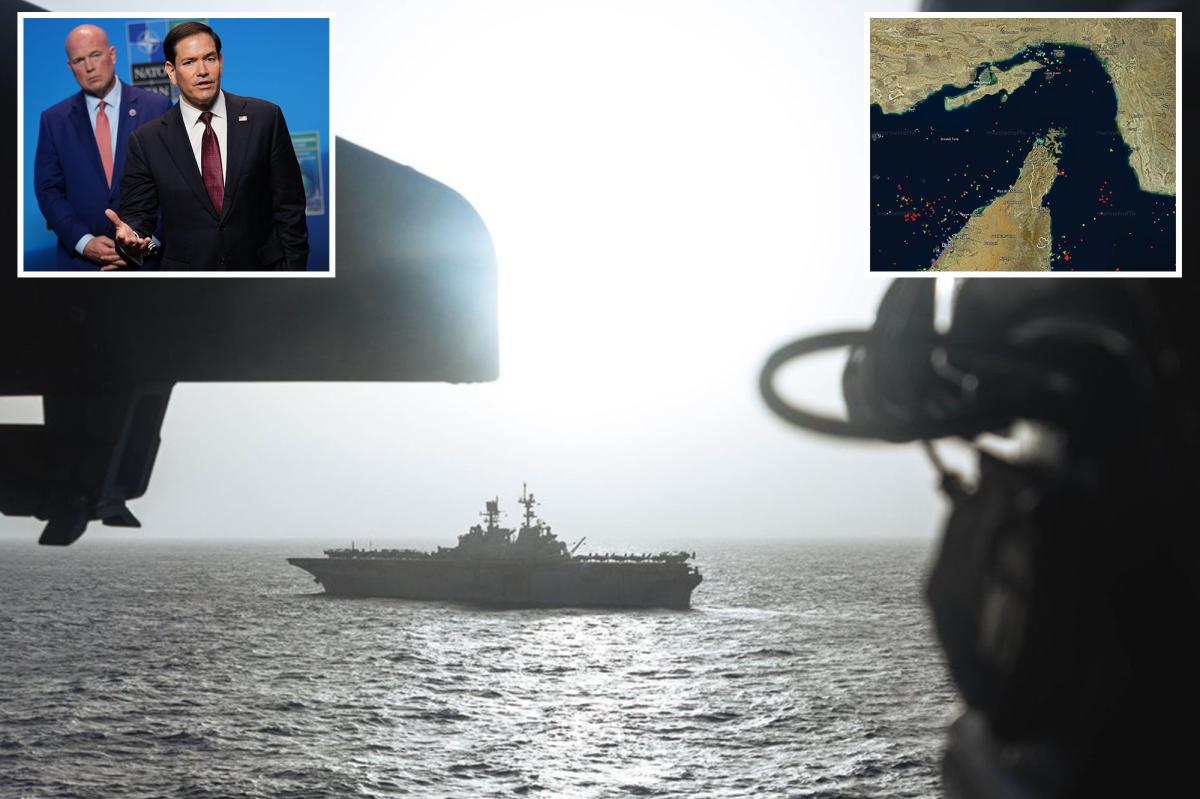


On Friday, Secretary of State Marco Rubio issued a stark warning to Iran regarding their potential plans to implement a “tolling system” for commercial shipping navigating through the Strait of Hormuz. Speaking from Sweden during a NATO foreign ministers meeting, Rubio expressed concern over Iran’s attempts to involve Oman in this scheme, emphasizing that no nation should condone such actions.
“They’re attempting to persuade Oman to participate in this tolling system,” Rubio stated. “There isn’t a single country that should agree to this. Implementing a toll in an international waterway is simply not acceptable, and it must be prevented.”
President Trump echoed these sentiments on Thursday, asserting his opposition to any tolling on the strait. “We want it open. We want it free. We don’t want tolls. It’s international. It’s an international waterway,” he declared.
The Strait of Hormuz, a critical channel for global oil shipments, lies adjacent to the Gulf of Oman. The situation becomes more complex as Oman, an ally of the United States, engages in discussions with Iran, leaving the implications for peace negotiations uncertain.
Meanwhile, the passage of shipping through this vital waterway has nearly ground to a halt, causing a spike in gas prices worldwide. According to U.S. Central Command, U.S. forces have redirected 97 commercial vessels since the military blockade of Iranian ports began, in an effort to maintain maritime security and stability.
But shipping via the critical waterway has come to a near complete halt, and gas prices have spiked around the world. U.S. forces have redirected 97 commercial vessels since the start of the military blockade of Iranian ports, U.S. Central Command said on Friday.
Rubio said there has been âsome progressâ in the talks with Tehran but added that the US was dealing with âa very difficult group of people.â
The reopening of the strait is a sticking point in the talks, as is the future of Iranâs nuclear program.Â
But the secretary of state also said itâs time to come up with a âPlan Bâ in case an agreement canât be reached to reopen the Strait of Hormuz.
He noted the NATO countries discussed the matter in their meeting in Sweden.
âAt that point, something has to be done about it, and I would argue that there are countries represented here today that are more deeply impacted by this than even the United States is,â he said.
The Atlantic alliance has been reluctant to get involved in President Trumpâs war, which has been a point of contention between those countries and Washington.
Rubio conceded no agreement had come from the meeting, but reiterated that âwe have to start thinking about it.â
France and the United Kingdom have begun efforts to build a military coalition that can help ensure safe maritime traffic through the strait, but have been clear that such operations will only begin once the conflict with Iran is over.