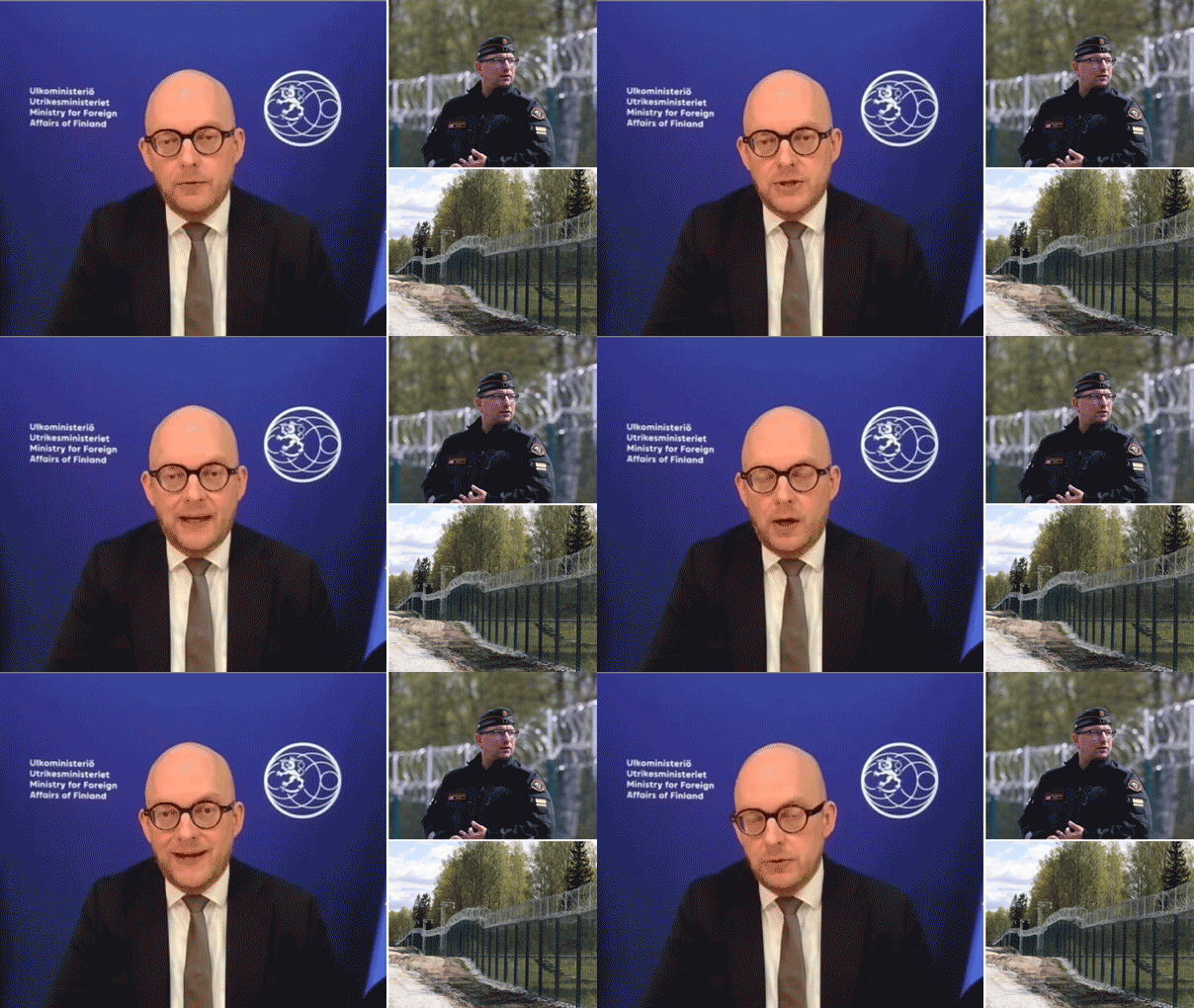

Russian efforts to pressure and destabilize European countries have compelled neighboring Finland to overhaul its border security strategy. That shift has now culminated in the completion of a new fence along the nation’s eastern frontier with Russia.
Finland built approximately 124 miles of fencing along the Russian border as an additional safeguard against unauthorized migration from Russia, Petri Hakkarainen, political director at Finland’s Ministry for Foreign Affairs, told News Outlet.
“We have in the past witnessed Russia’s attempts … to instrumentalize migrants at the Finnish border,” Hakkarainen said. “Basically pushing migrants towards our borders, forcing us then to take them on.”
He said a sudden surge in arrivals would require Finnish authorities to handle a large number of asylum applications at once, potentially placing significant strain on society if the influx reached a massive scale.
Finland responded by shutting its entire land border with Russia in 2023. Moscow quickly submitted a formal complaint and denounced the decision as “Russophobic.”
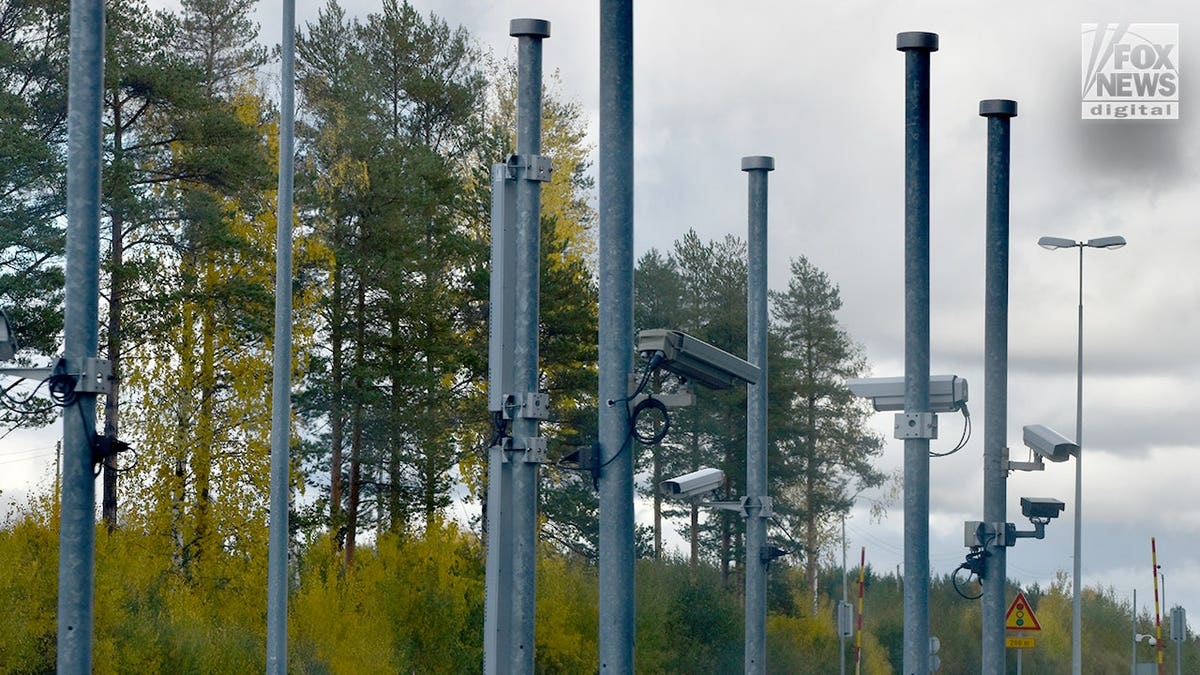
Security cameras overlook the Niirala Border Crossing Station along Finland’s eastern border with Russia in November 2023 after Finland closed the checkpoint amid heightened border security concerns. (Brooke Curto/News Outlet)
The Kremlin said it deeply regretted the closure, arguing that Finland had abandoned decades of “pragmatic, mutually respectful relations” in favor of an anti-Russian political position.
Finland’s border with Russia stretches 833 miles, making it the longest shared frontier with Russia among European Union and NATO member states. The newly completed fence adds a physical layer of protection to the existing border closures.
With Russia engaged in a prolonged war of attrition in Ukraine, Western officials have accused Moscow of conducting broad destabilization campaigns across Europe. Those efforts have allegedly included disinformation and state-backed economic pressure aimed at weakening public confidence.
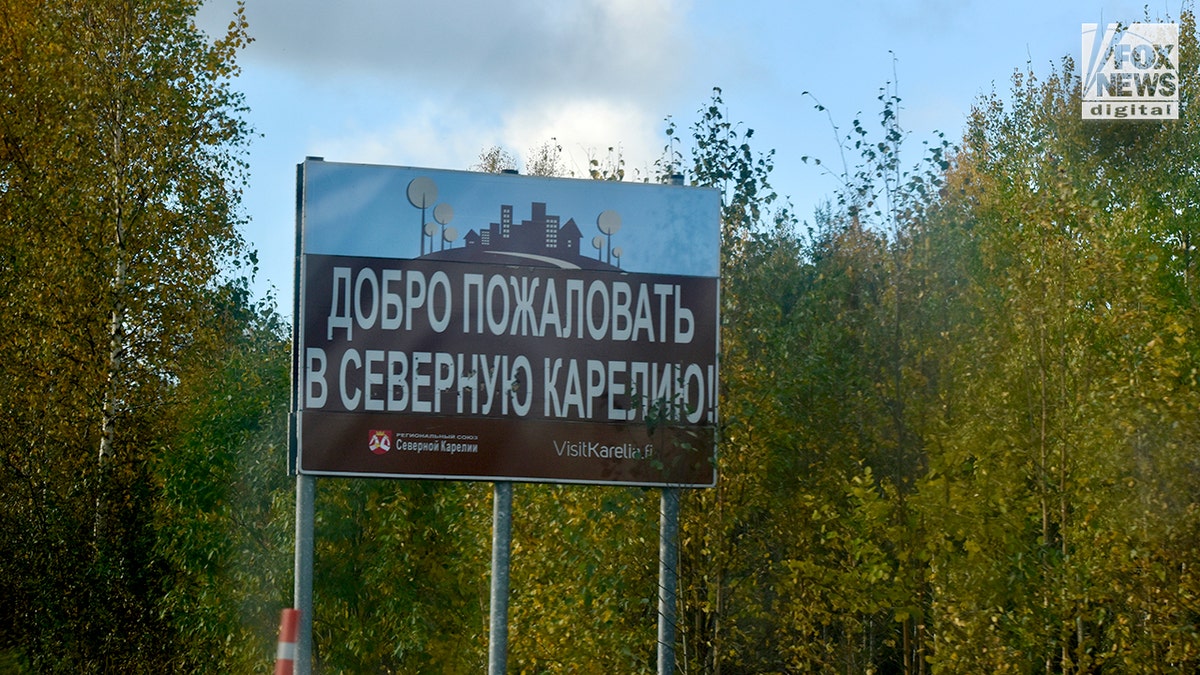
Signs near the Niirala Border Crossing Station on Finland’s eastern border with Russia in November 2023 after the closure of the checkpoint. (Brooke Curto/News Outlet)
“We think it’s important to listen to those of us who live next door to Russia,” Hakkarainen said. “Listen to our analysis of the situation: We consider Russia to be a long-term threat to transatlantic security — not only to Ukraine, not only to Europeans, but to transatlantic security as a whole.”
Finland began developing the border fence after Russia launched its full-scale invasion of Ukraine. The conflict also prompted the historically neutral Nordic country to join NATO in April 2023.
Moscow has long opposed NATO’s expansion toward its borders, describing the alliance’s eastward growth as a direct security threat and citing it as a reason to strengthen Russia’s western defenses.
After Finland formally entered NATO, Helsinki saw an immediate change at its eastern frontier: More than 1,300 migrants without visas arrived at the border.
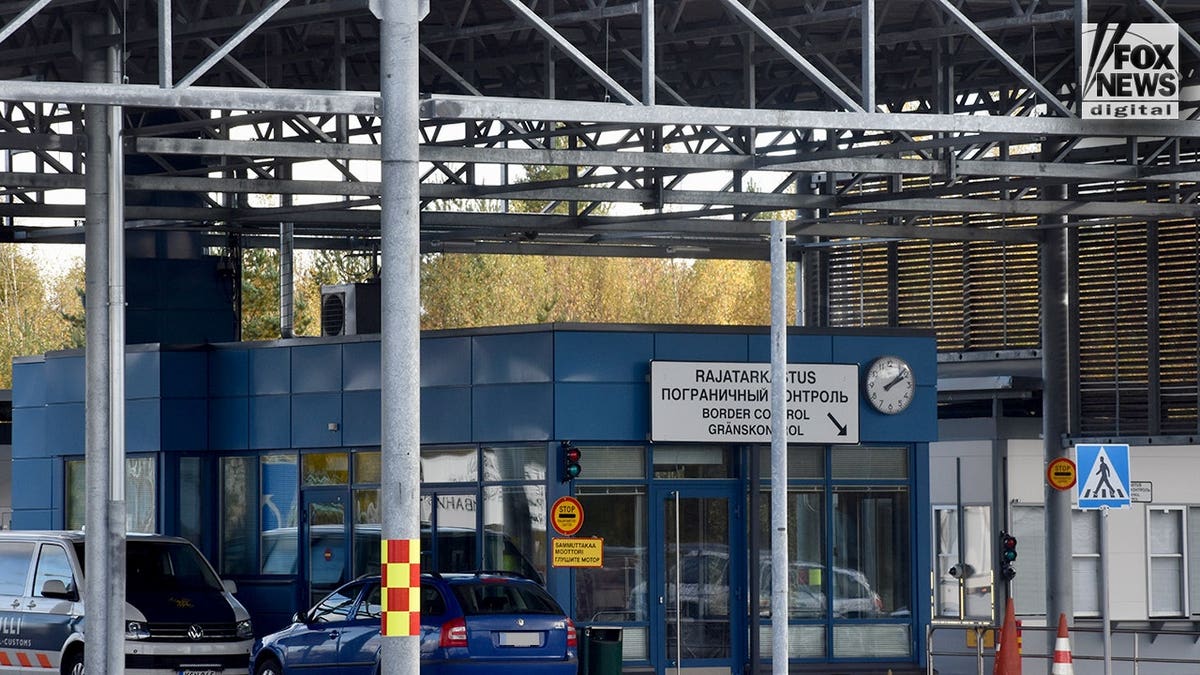
The Niirala border crossing point along Finland’s eastern border with Russia in November 2023 after the Finnish government announced the closure of several border crossings amid concerns over migrant crossings. (Brooke Curto/News Outlet)
Finland accused Moscow of using migration as a weapon in an act of “hybrid warfare,” an allegation the Kremlin rejected.
The decision to close the checkpoints has been “very effective,” Hakkarainen said. Finland has also reinforced its response through legislation, with lawmakers passing the Border Security Act.
The temporary law permits border authorities to limit asylum applications and return migrants when a foreign power is attempting to destabilize Finland by directing people across the border.
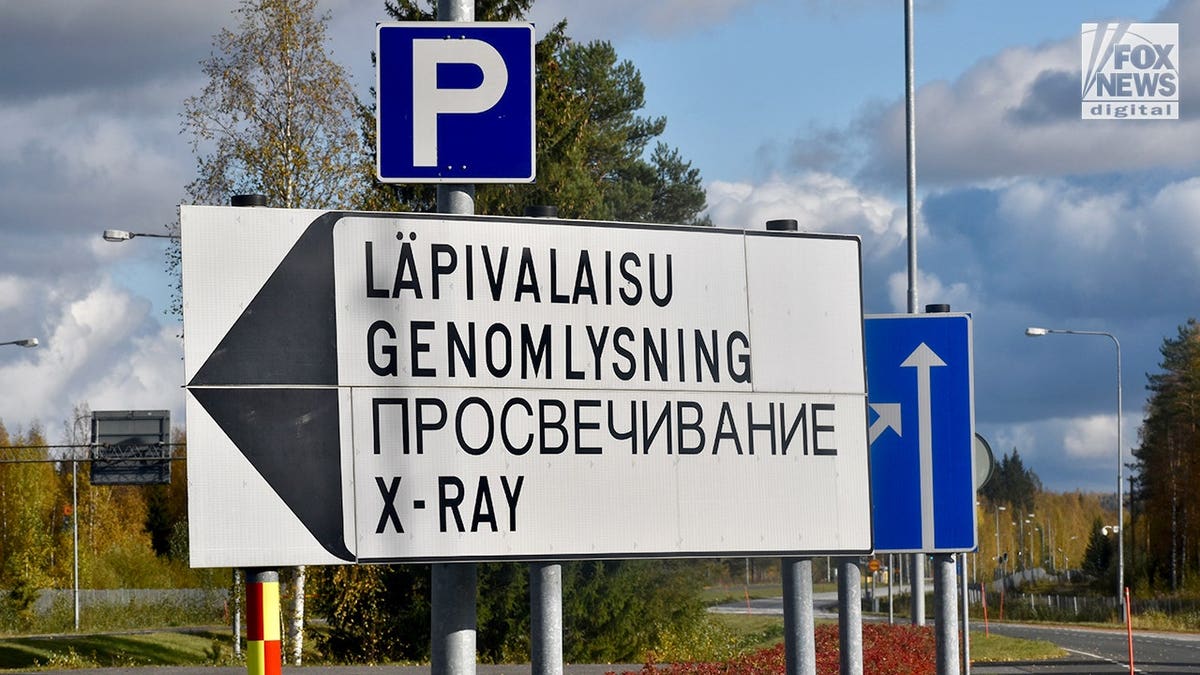
Signs mark the Niirala Border Crossing Point on Finland’s eastern border with Russia in November 2023 after the Finnish government’s closure of the crossing. (Brooke Curto/News Outlet)
The legislation initially prompted debate over whether it could violate human rights protections and international law. Hakkarainen nevertheless said Finland’s national defense needs had to take priority.
“We take these concerns very seriously,” he said. “But national security and our own sovereignty … weighed more heavily in this conversation, though there is broad majority support for the act.
“We take our security and preparedness very seriously.
“I would say not despite that, but because of that, we are able to lead very normal lives here — regardless of the neighbor we have.”