Share this @internewscast.com

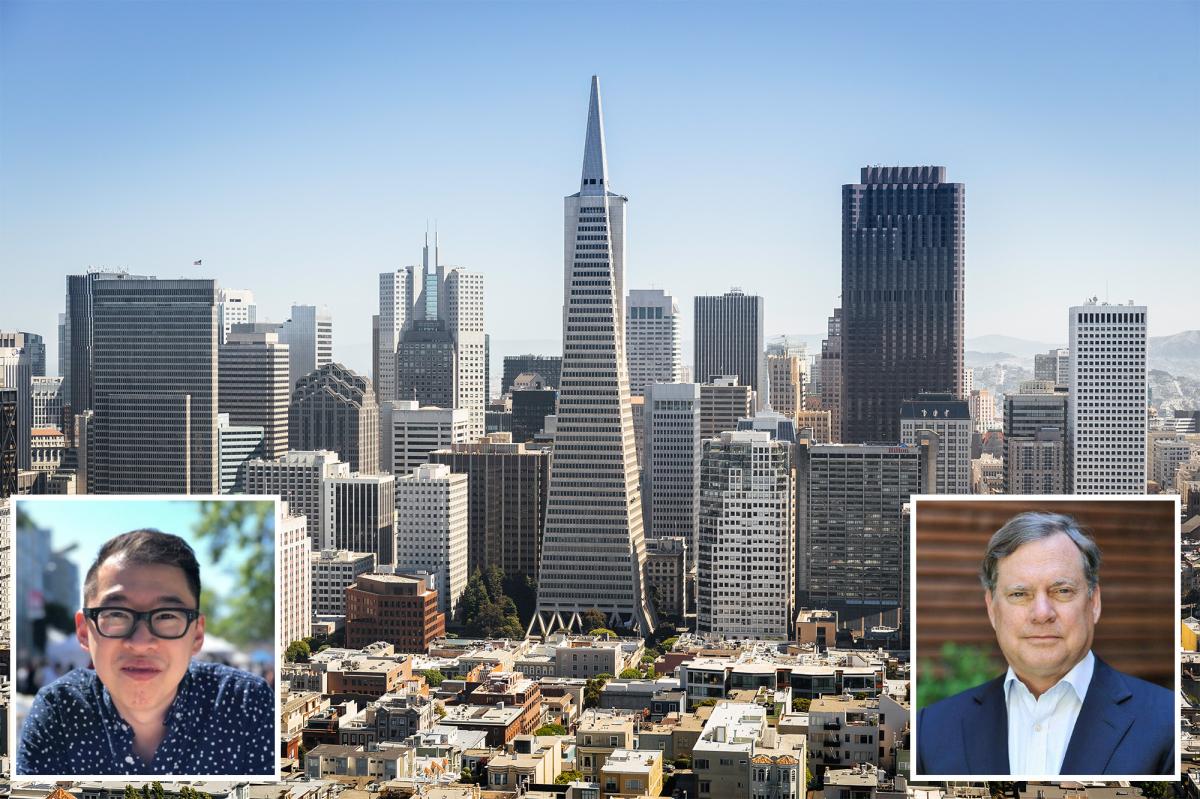
In a bold move, a prominent organization in San Francisco is deploying $10 million this year in an effort to counteract taxes they believe could severely hinder the city’s delicate economic recovery. Neighbors for a Better San Francisco, a group known for its moderate stance, argues that these taxes could also lead to higher costs for food and other goods, further straining residents who are already feeling financial pressure.
The advocacy group is gearing up to challenge a series of progressive measures and candidates they claim could unravel the advancements made in San Francisco’s liberal landscape. Jay Cheng, the group’s director, emphasized their commitment to preserving the city’s progress against what they view as destabilizing proposals.
At the forefront of their campaign is the opposition to the proposed “CEO tax,” a contentious measure set to appear on the June ballot. This tax, supported by progressives and labor unions, wouldn’t directly target individual CEOs; instead, it would impose levies on companies with significant disparities between the salaries of top executives and median workers.
“Implementing this tax would devastate our economy instantly,” Cheng warned.
Businesses such as Nordstrom, the Gap, Starbucks, Target, Chipotle, Ross Dress for Less, CVS, and Grocery Outlet could face substantial tax hikes. Cheng suggests these companies might respond by either transferring the additional costs to consumers or choosing to exit the city’s market altogether.
Cheng further expressed concerns about the potential impact of the tax, stating, “If the CEO tax is approved in June, it sends a message to businesses that they cannot depend on a consistent tax bill from year to year.”
“Your tax bill will suddenly be 800% higher — no business can plan around that.”
San Francisco has an existing “overpaid CEO” tax that adds a surcharge to companies’ bills based on the ratio of executive and worker pay.
The new CEO tax, pushed by the SEIU and other labor groups and leftist elected officials such as Supervisors Connie Chan and Jackie Fielder, would dramatically increase that surcharge for firms whose highest-paid exec earns more than 100 times the median worker. Organizers say it could raise $200 million annually to preserve “essential city services.”
Fielder, a Democratic Socialist, is also pushing a tax on financial institutions to fund a San Francisco “public bank.”
It’s part of a rash of populist tax proposals statewide that take aim at top earners. A similar effort to tax companies with “overpaid CEOs” is underway in Los Angeles.
The San Francisco group plans to campaign against the statewide billionaire tax proposal that critics say could drive $1 trillion in wealth out of California.
“If we can get the wealth tax to 50/50 in San Francisco, it’s dead statewide,” Cheng said.
Download The California Post App, follow us on social, and subscribe to our newsletters
California Post News: Facebook, Instagram, TikTok, X, YouTube, WhatsApp, LinkedIn
California Post Sports Facebook, Instagram, TikTok, YouTube, X
California Post Opinion
California Post Newsletters: Sign up here!
California Post App: Download here!
Home delivery: Sign up here!
Page Six Hollywood: Sign up here!
Steven Buss Bacio, co-founder of the moderate political group GrowSF, echoed concerns about the CEO tax, though his group is studying the issue before making a formal statement.
“It does not tax CEOs, it taxes consumers,” he said. “It is effectively a tariff on goods in San Francisco.”
Neighbors for a Better San Francisco is also backing San Jose Mayor Matt Mahan’s gubernatorial campaign and moderate candidates for Board of Supervisors and school board, Cheng said.
The influential group played a key role in San Francisco’s recalls of far-left District Attorney Chesa Boudin and three members of the progressive school board in 2022.
Its primary backer has been the billionaire Republican donor Bill Oberndorf, though it increasingly receives funding from smaller individual donors, Cheng said.