
Share this @internewscast.com

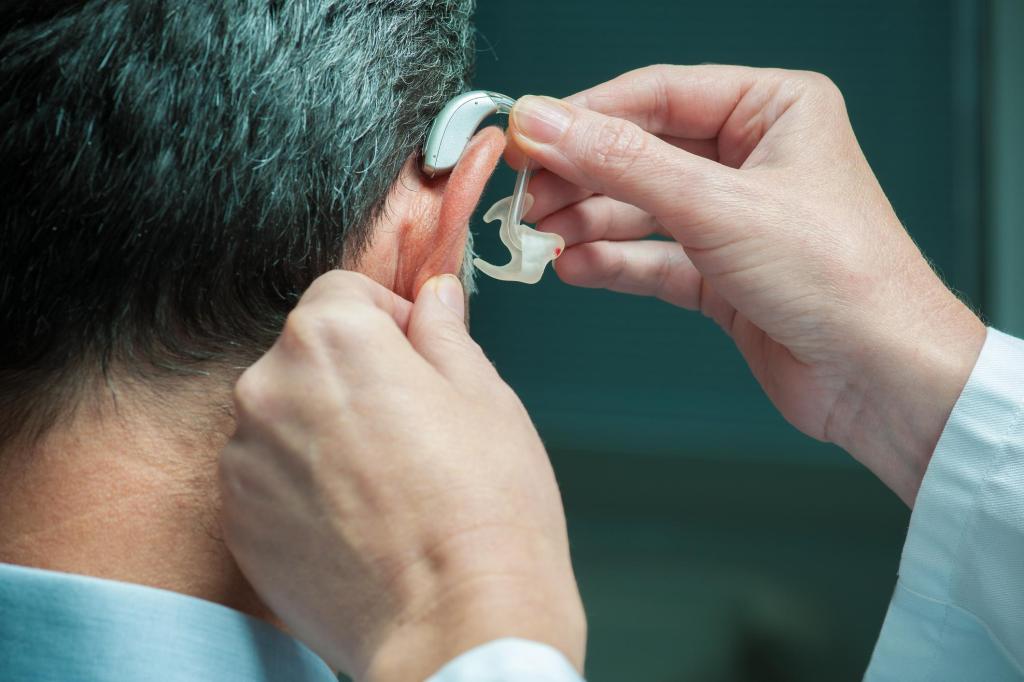
Dear Eric: I’m 60 and have been dealing with hearing loss since I was in grade school, often failing those hearing tests. My two younger siblings share this issue and have been using hearing aids since at least their 40s.
They keep urging me to get hearing aids, convinced that I need them. Admittedly, medical tests agree, but I’ve hesitated due to concerns about appearance and, more importantly, the expense.
I’m weary of being judged for my hearing difficulties. Today, my siblings confronted me in an intervention-style manner, insisting on when and where I should purchase hearing aids.
Colleagues at work have made hurtful remarks about my hearing, saying things like, “Oh, you’re so deaf,” or “We know you can’t hear us anyway,” among other comments.
How do I respond to those who think my hearing is their concern, and how should I handle such rude comments? Furthermore, when I ultimately decide to get hearing aids, what’s the best way to deal with remarks like, “Oh, now you can finally hear!”?
– Hearing Jokes
Dear Hearing: Let’s take your siblings and your coworkers separately. Your coworkers are being too cavalier with their comments. They’re not trying to goad you into seeking treatment; they’re mocking you for a medical condition. They may know that you’ve taken a bold stance about your hearing loss and see that as permission to tease you about it, but they’re overstepping. This is a chance for you to talk to HR about what’s appropriate conversation for the workplace. You can also talk to HR, if you’d like, about options for hearing assistance in your company’s insurance plan.
If your company doesn’t have HR, or you’d rather deal with this head-on, be direct but don’t get drawn into a back-and-forth about it. “It’s inappropriate and unkind for you to make fun of my abilities. If you have an issue with the way I do my job, please address it with me professionally, or we can talk about it with a supervisor.”
As to your siblings, you are obviously entitled to do whatever you want with your body and your health. But I’d encourage you to think about their input, aggressive though it may be, as coming from a place of legitimate concern.
Because they share the same hearing loss, they’ve likely had a lot of conversations with medical professionals about their options and their quality of life and so they may feel they’re well-positioned to advise you.
They may fear you’re depriving yourself, or they may be concerned about the increased risk of isolation or the link between hearing loss and dementia. In short, they may see this as an emergency situation. You don’t have to agree. But I would encourage you to think of it less as judgment and more as a hand reaching out, offering help.
Dear Eric: my mother and I have given my son, his wife and my granddaughter birthday and Christmas gifts every year for 14 years now. I have taken them to dinner some four-to-five times and my mother has had them over for lunch countless times.
They have not reciprocated even once. Should my mother and I continue giving?
– Feeling Disappointed
Dear Disappointed: Disappointment often comes when an expectation isn’t met. So, the first question I’d ask is are your son and his wife aware of your expectation? Now, yes, it’s reasonable to think a son would send birthday and Christmas gifts to a parent and grandparent without being prompted or spring for a meal now and then. I can’t speak to why this isn’t occurring to him.
But what I know for sure is that this will continue to be a source of resentment for you and your mother, whether or not you stop giving, if you don’t talk it through.
What you’re feeling is an imbalance in the relationship. Gift giving can be an expression of love, so it makes sense that when you give and don’t receive, you might feel a lack of love. The question you want to ask yourself, and them, is “how can we love each other better?” That’s going to take a little bit of vulnerability. It’s OK to talk about bruised feelings if you have them, or confusion. It’s OK to ask why. But the goal of the conversation should be a better understanding of where each other is coming from.
Tell them what matters to you, tell them what gift-giving or dinners out mean to you, and tell them how you’d like to feel. The solution might be gifts from them, or it might be something else entirely. But you won’t find it unless you talk.
(Send questions to R. Eric Thomas at eric@askingeric.com or P.O. Box 22474, Philadelphia, PA 19110. Follow him on Instagram and sign up for his weekly newsletter at rericthomas.com.)
©2025 Tribune Content Agency, LLC.