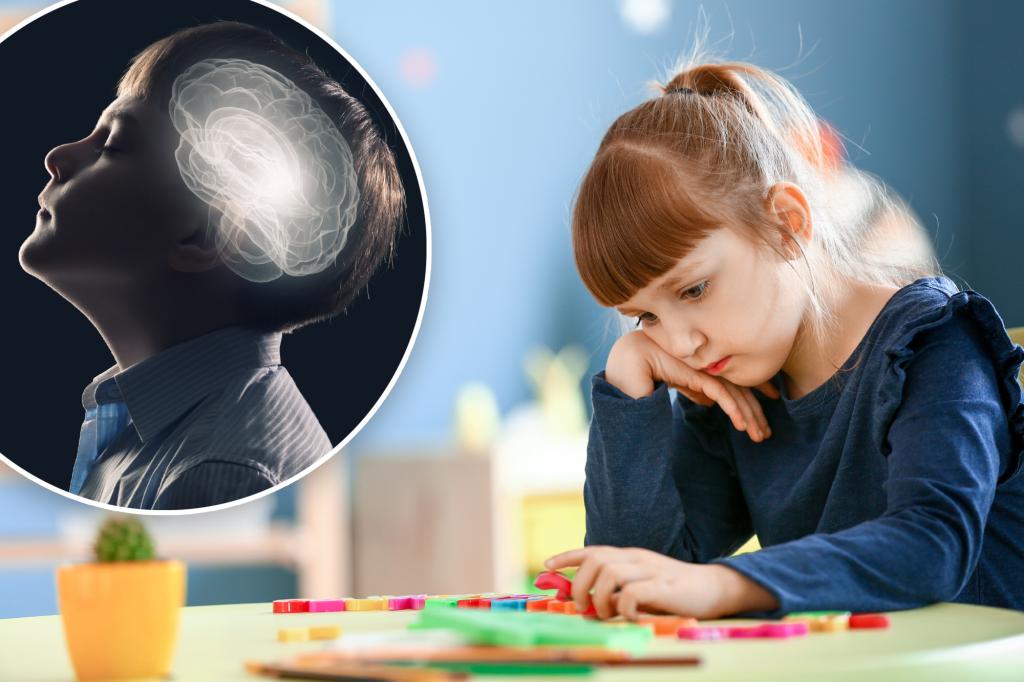


Autism rates are on the rise, with diagnoses in the US jumping 175% between 2011 and 2022.
The increase in autism diagnoses results from various elements like evolving diagnostic standards and a growing number of young adults seeking self-understanding. This rise underscores the urgent need for improved comprehension in supporting those with autism.
Recent pioneering research conducted by Princeton University in collaboration with the Simons Foundation has identified four unique autism subtypes. These subtypes are distinguished not only by behavioral patterns but also by biological variations.
“Deciphering the genetics behind autism is crucial for uncovering the biological processes linked to the condition. This knowledge facilitates earlier and more precise diagnosis and helps tailor individualized care,” explained Olga Troyanskaya, the senior author of the study and director of Princeton Precision Health.
She and her fellow researchers used data from over 5,000 children and published their findings in Nature Genetics.
The four new subtypes are:
Social and Behavioral Challenges
People in this group show “core autism traits, including social challenges and repetitive behaviors, but generally reach developmental milestones at a pace similar to children without autism,” according to Princeton University.
They’re also likely to have other psychiatric conditions, including ADHD, anxiety, depression or obsessive-compulsive disorder.
This is the largest group, making up 37% of study participants.
Mixed ASD with Developmental Delay
This group “tends to reach developmental milestones, such as walking and talking, later than children without autism, but usually does not show signs of anxiety, depression or disruptive behaviors.”
The reason they’re “mixed” is because of differences with repetitive behaviors and social challenges.
This group made up 19% of the study.
Moderate Challenges
These people also show core autism-related behaviors, “but less strongly than those in the other groups, and usually reach developmental milestones on a similar track to those without autism.”
They also don’t typically have psychiatric issues. This group made up 34% of participants.
Broadly Affected
The smallest group — comprising just 10% of study participants — is also the most severe.
They face “more extreme and wide-ranging challenges, including developmental delays, social and communication difficulties, repetitive behaviors and co-occurring psychiatric conditions like anxiety, depression and mood dysregulation.”
How did they find these subtypes — and what they learn about their genetics?
Kids in the study were evaluated on 230 traits, then split into groups based on the most common combinations.
Once the groups were defined, the scientists could link them to “distinct underlying biology,” according to Aviya Litman, a Ph.D. student at Princeton and co-lead author.
But the way autism unfolds within these groups — and how biology comes into play — differs.
All of these subtypes have genetic disruptions that impact brain development. But when those genetic disruptions activate is different from subtype to subtype.
Previously, experts believed that it mostly happened before birth — but for people in the Social and Behavioral Challenges group, some gene mutations became active later on.
That doesn’t mean that that the genes mutated later on due to external factors, but that the expression of that mutated gene doesn’t happen until further into childhood.
What does this mean for treatment and care?
Knowing the subtype your child falls into can also help you choose better care for them.
“It could tell families, when their children with autism are still young, something more about what symptoms they might — or might not — experience, what to look out for over the course of a lifespan, which treatments to pursue, and how to plan for their future,” said study co-author Jennifer Foss-Feig, a clinical psychologist at the Seaver Autism Center for Research and Treatment at the Icahn School of Medicine at Mount Sinai.