

A once-viral body-positivity group that attracted hundreds of thousands of followers and invited plus-size women to a custom Las Vegas mansion is facing renewed scrutiny after former participants accused its founder of manipulation, predatory conduct and unwanted sexual behavior.
Claims involving Pearadise founder Stefan Wilhelmy led to a yearslong court fight, producing hundreds of pages of legal filings and sworn statements. The accusations are also examined in Investigation Discovery’s new three-part documentary, “Big Girls Wanted: Escaping Pearadise,” which looks at body image, internet communities, power imbalances and the feederism subculture.
Launched during the COVID-19 pandemic, Pearadise rapidly evolved from a Discord server into a major social media presence, amassing nearly 250,000 followers on TikTok and bringing women from around the U.S. to Wilhelmy’s home in Las Vegas.
Pearadise’s website presents the group as “a body-positive community built around friendship, confidence, acceptance and connection,” describing it as a place where members could connect without bullying, body shaming or judgment.

Pearadise founder Stefan Wilhelmy appears in Investigation Discovery’s documentary about the online community he built. (Investigation Discovery)
However, court documents reviewed by News Agency show that several former members later painted a very different picture of the community and their experiences within it.
“Our clients described a scene of manipulation, victimization, coercion, and sexual assault,” attorney Marc Randazza, who represented multiple former Pearadise members, told News Agency in a statement outlining the allegations.
Court filings say former members Savannah Brown and Alejandra Javier later posted publicly on social media, accusing Wilhelmy of touching them without consent during visits to his Las Vegas residence and describing the alleged behavior as sexual assault.

Stefan Wilhelmy poses for a group selfie with Pearadise community members during an outing in downtown Las Vegas. (Investigation Discovery)
Brown alleged Wilhelmy rubbed her stomach, touched her shoulders and spanked her despite objections. Javier alleged Wilhelmy rubbed her stomach without consent and took photographs of women in a pool without permission.
Wilhelmy denied the allegations and sued several women for defamation after they publicly described him as a predator and accused him of sexual assault.
📩: stepheny.price@fox.com
📸: @fndstephprice
🎥: @StephenyPrice
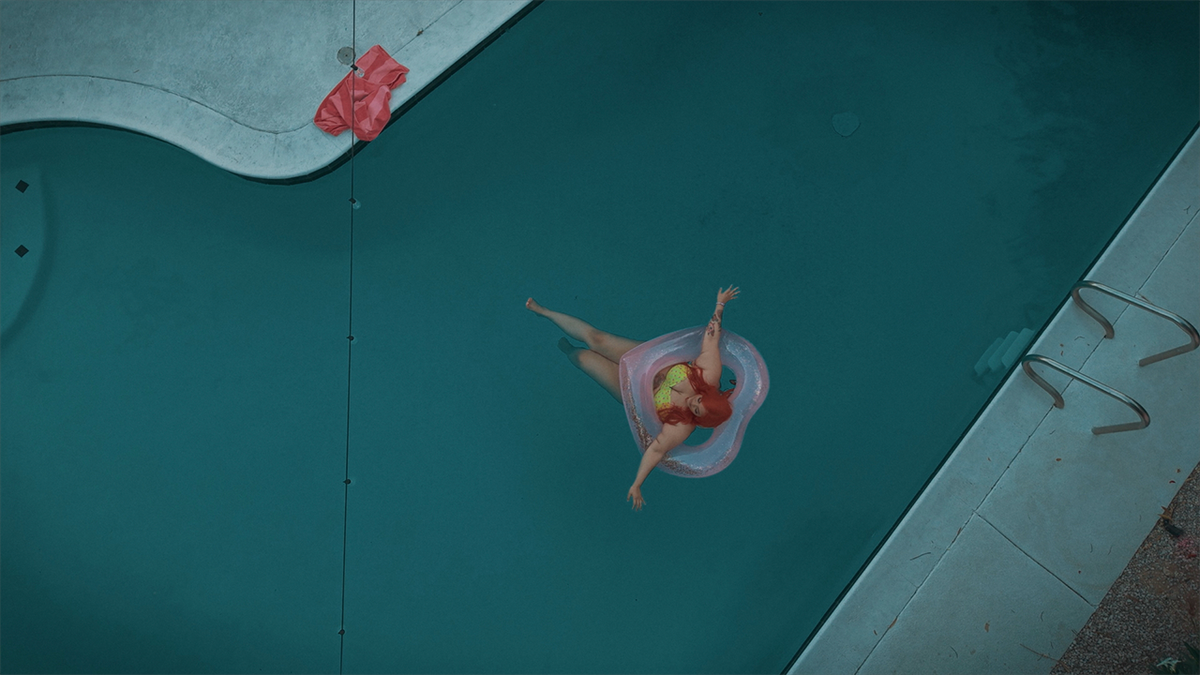
A woman floats in the pool at the Pearadise house in Las Vegas, featured in the documentary “Big Girls Wanted: Escaping Pearadise.” (Investigation Discovery)
At the center of the lawsuit was a dispute over whether women who alleged unwanted sexual touching could publicly describe those encounters as sexual assault.
According to court filings, Wilhelmy argued the accusations were defamatory because Nevada’s criminal definition of sexual assault requires penetration.
Randazza sharply criticized that argument in court filings, writing that Wilhelmy’s position amounted to, “I can do whatever I want to these women, and it doesn’t become sexual assault unless I penetrate them.”
The women responded with an Anti-SLAPP motion, arguing they were exercising their right to speak publicly about their experiences and warn others.

Pearadise founder Stefan Wilhelmy joins members of the body-positivity community in a swimming pool at the Las Vegas property featured in the documentary. (Investigation Discovery)
The litigation also produced additional sworn declarations from former Pearadise participants.
One former member alleged Wilhelmy created a highly sexualized environment and used the community to identify women he found attractive. Another woman alleged in a sworn declaration that Wilhelmy approached her while she was experiencing an emotional breakdown and pressured her into a sexual encounter, later describing the interaction as “predatory.”
The allegations were detailed in sworn declarations filed during the lawsuit. No criminal charges resulted, and the court’s ruling focused on the women’s right to speak publicly about their claims rather than whether the allegations were true.
ALSO READ: David Gardner, Liv Tyler's Former Partner, Announces Engagement Four Years Post-Breakup
In January 2022, a Clark County judge dismissed Wilhelmy’s lawsuit under Nevada’s Anti-SLAPP law.
The court found the women had established their statements involved a matter of public concern and concluded there was no evidence they knowingly made false statements. The judge wrote that Brown and Javier believed they had been touched in a sexual manner without consent and that their use of the term “sexual assault” was not knowingly false simply because the allegations did not involve penetration.
While the allegations against Wilhelmy are part of the documentary, director Tara Malone said the project ultimately became about something much larger than one man.
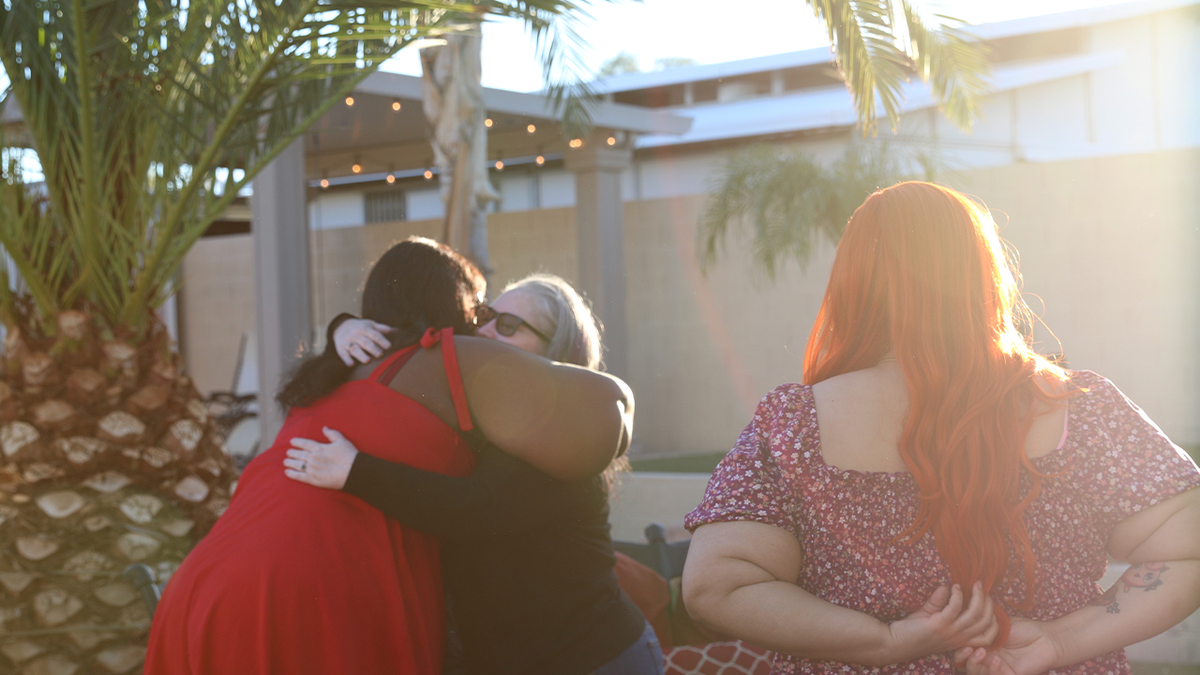
Members of the Pearadise community gather outside the Las Vegas home at the center of the documentary. (Investigation Discovery)
“We wanted to go into this very judgment-free and let the women tell us who they were and what they experienced and felt,” Malone told News Agency. “It’s not on us to make the judgment as to which experience is right or wrong.”
Malone said one of the most unusual aspects of the project was that many of the physical interactions themselves weren’t necessarily disputed.
“A lot of the actual physical events or encounters aren’t necessarily disputed between both sides,” she said. “It really comes down to what each individual calls it and how they process it.”
She said Wilhelmy pointed to security camera footage that he believes supports his version of events, while the women involved interpreted many of those same interactions very differently.
“Both sides of some of these events walked away with completely different understandings of what they did or what they went through,” Malone said.
Executive producer Michael Hirschorn said he never viewed the documentary as a traditional true-crime story.
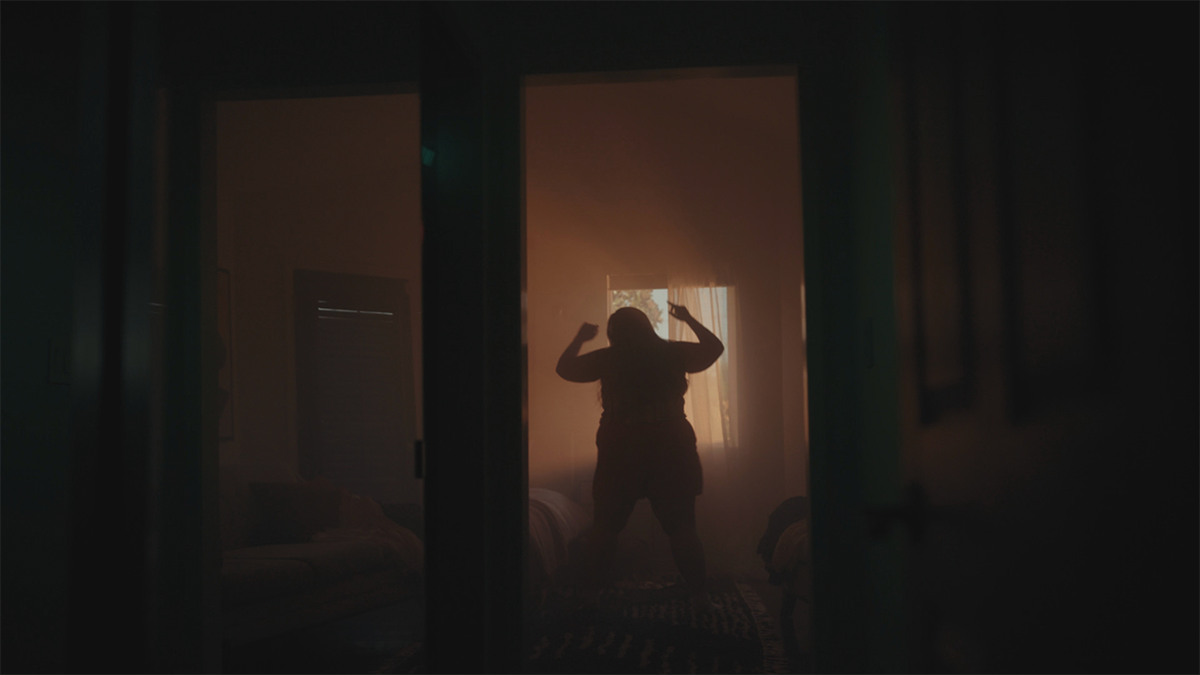
A scene inside the Pearadise house featured in Big Girls Wanted: Escaping Pearadise. (Investigation Discovery)
“I don’t see this as primarily a crime story,” Hirschorn told News Agency. “It’s really a story about power and about safety, and about what you’re willing to sacrifice in order to get something that you feel that you need.”
Hirschorn said the filmmakers were initially drawn to Pearadise because it appeared to offer something many women had spent years searching for.
“There was this place that was almost like a kind of nirvana, like a refuge, like a safe space,” he said. “As we dug into it, we began to see that there were some complications and controversies.”
He said viewers shouldn’t expect a simple good-versus-bad narrative.

A Pearadise community member holds a body-positivity sign during an outing in downtown Las Vegas. (Investigation Discovery)
“You could go through this whole series and come out with some sympathy for Stefan,” Hirschorn said. “When you look at some of the evidence Stefan presents, you’re like, ‘Yeah, I think this guy has a point.'”
Rather than telling viewers what to think, Hirschorn said the filmmakers wanted audiences to wrestle with the competing accounts themselves.
“I think a good documentary leaves you bringing your own instincts to what is and isn’t true, and who is and who isn’t bad,” he said.
Ultimately, Hirschorn hopes viewers leave with empathy rather than judgment.
“People may come into this story with a snicker,” he said. “I hope they leave with empathy.”
Malone echoed that hope, saying she wants viewers to reconsider how they judge themselves and others.
“Should I be kinder to myself? Should I be kinder about what I’m saying to someone else?” she said. “There’s a cost to the words that come out of our mouths.”
News Agency reached out to the Las Vegas Metropolitan Police Department, the Clark County District Attorney’s Office and attorneys who represented Wilhelmy for comment.


