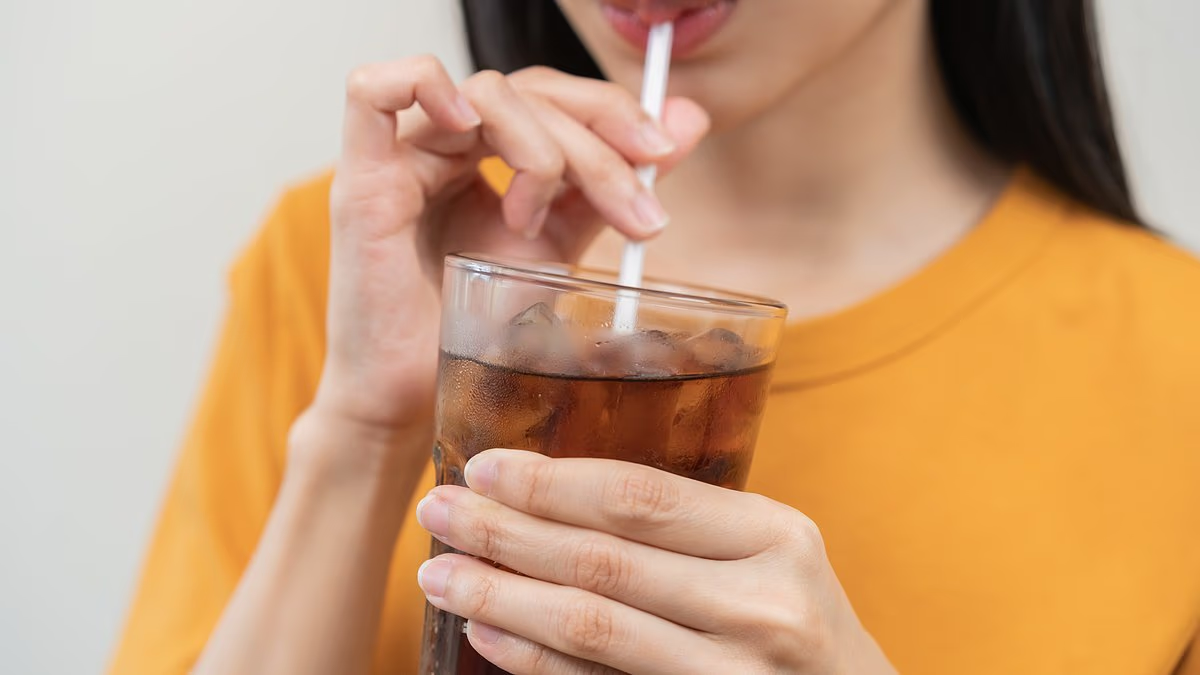

Choosing sugar-free beverages while trying to lose weight may help people shed pounds and maintain that loss, with benefits comparable to drinking water, according to a new study.
Researchers set out to determine whether regularly consuming diet drinks makes it more difficult to lose weight or keep it off over time.
The study followed two groups of adults who were overweight or obese. One group was instructed to drink water, while the other consumed artificially sweetened beverages during a structured weight-loss program.
The sweeteners included aspartame, an ingredient used in popular soft drinks such as Diet Coke and Diet Pepsi.
Over two years, participants followed a behavioral weight-management program aimed at helping them lose weight and prevent regain. They received advice from a nutritionist and gradually increased their exercise until they were active for an hour on six days each week.
Both groups ended the study weighing less than they had at the beginning. However, participants who drank diet beverages lost 25 percent more weight than those assigned to drink water.
The results indicate that sugar-free drinks may provide a low-calorie way to satisfy a desire for sweetness, potentially making a weight-loss or weight-maintenance plan easier to follow.
Researchers cautioned that further studies are needed. Some previous research has associated artificial sweeteners with possible long-term health concerns, including diabetes and heart disease.

In a two-year trial comparing diet drinks with water during a calorie deficit, people who consumed artificially sweetened beverages did not regain more weight than those who drank water
Artificial sweeteners such as aspartame and sucralose are roughly 200 times sweeter than sugar while containing no calories.
They are commonly used in diet sodas and sugar-free energy drinks, including Celsius.
The risks associated with consuming large amounts of sugar—including higher risks of heart disease, obesity and diabetes—are well established. However, the long-term effects of artificial sweeteners, particularly their role in weight loss and weight control, remain uncertain.
Published in August 2026 in the British Journal of Nutrition, the study examined the ongoing debate over whether non-sugar sweeteners can support long-term weight management.
The researchers enrolled 493 adults aged 18 to 65. Their body mass index, or BMI, ranged from 27 to 35, a category that includes overweight and obese individuals.
A total of 246 participants were randomly assigned to drink water, while 247 were assigned to consume diet or sugar-free beverages.
Each participant was asked to drink at least two 330-millilitre servings of their assigned beverage every day—about 2.7 cups in total.
Those in the zero-sugar group could choose from 20 commercially available products, including diet colas, diet carbonated soft drinks, diet fruit drinks and fruit-flavored waters.
The beverages primarily contained aspartame, acesulfame potassium or sucralose. These sweeteners are widely used in products such as Diet Coke and zero-calorie alternatives including Splenda.
The water group was instructed to avoid artificially sweetened drinks altogether, including zero-calorie sweeteners added to hot beverages. Participants assigned to diet drinks could also drink water as needed.
The weight-loss intervention unfolded in three phases: an initial period of active weight loss, a supported weight-maintenance phase and a final stage without weight-management sessions.

The above chart compares body weight over weeks 50 to 104 of the experiment in two groups: one that drank water and one that drank non-nutritive sweeteners, otherwise known as artificial sweeteners. The artificial sweetener group lost slightly more weight by the end
MORE STORY: Rare Two-Headed Baby Turtle Found in Massachusetts

After two years, both groups weighed less than what they started. Water drinkers lost about 8.2lbs from their starting weight, while diet-drinkers lost 10.6lbs – a 2.4lb difference
The program involved one-hour group sessions each week, led by a nutritionist who provided guidance on eating behaviors, structured nutrition and physical activity.
For the first year, participants were told to progressively increase their physical activity by adding 10 minutes of walking to their daily routine until they reached 60 minutes of activity on six days each way.
The researchers monitored their activity and step count using fitness trackers.
From weeks zero to 12, participants attended the weekly nutrition sessions. During this period, both groups lost weight quickly.
From weeks 13 to 52, they transitioned from weekly to monthly sessions to help maintain their weight loss. The water group reached its lowest weight at week 44, while the diet-drink group reached its lowest at week 36.
And from weeks 53 to 104, they continued their journey on their own, while tracking their designated drinks. By the final week, both groups remained significantly lighter than before.
After two years, both groups weighed less than what they started. Water drinkers lost about 8.2lbs from their starting weight, while diet-drinkers lost 10.6lbs – a 29 percent difference.
Both groups had significantly smaller waist and hip circumferences than when they started, with their waists down by about two inches.
The researchers also performed more detailed body-composition scans on a small subset of 48 participants, which discovered both groups lost fat and some lean tissue at similar rates.
They also took fasted blood samples from participants to measure their blood pressure, glucose, cholesterol, and insulin levels.
Total cholesterol rose slightly in the diet drink group, while a long-term blood sugar measure called HbA1c increased slightly with diet drinks but stayed about the same with water.
Diastolic blood pressure, the lower number in a reading, fell more among water drinkers. However, these results were based on just 14 to 16 people per group, and none of the differences were considered medically significant.
While the diet-drinkers lost more weight, researchers could not say that diet drinks were responsible for greater long-term weight loss. The groups were considered equivalent in terms of their weight outcomes.
Researchers also tested a long-held theory about artificial sweeteners confusing the body’s relationship between sweetness and calories – potentially increasing appetite and causing people to compensate by eating more.
The findings did not show a meaningful difference in hunger between the two groups.
One limitation of the study was while 493 people started, only 220 completed the 104-week endpoint.
By the end, there were 117 in the water group versus 103 in the diet drink group. The researchers did statistical analyses designed to account for missing data, and these also found no significant weight loss difference between the two beverages.
Enrollment took place between 2016 and 2021, so the COVID-19 pandemic disrupted some follow-up visits.
The trial found no evidence that choosing diet drinks over water derailed their progress.