
O Canada, indeed. Fans north of the border made a statement in Phase 1 voting, helping Ernie Clement join Shohei Ohtani as the first confirmed All-Star starters after each finished atop his respective league in the initial balloting.
With that, Phase 2 is officially underway.
Aside from National League designated hitter and American League second base — already claimed by Ohtani and Clement, respectively — every other starting spot is still undecided. The top two finishers at each position, along with the top six outfielders, have advanced as finalists, and voting remains open until July 2 at 12 p.m. ET.
The 2025 World Series teams are strongly represented in the next round. Toronto, in particular, has Clement already locked in and at least one finalist at every American League position. Still, Phase 1 totals will not carry over, meaning every remaining race starts fresh.
So, with the finalist field now set, which players have earned the right to be in the starting lineup in Philadelphia on July 14?
Below is a position-by-position look at the contenders, how the matchups compare, my choices in each race and a few players who may not have received the attention they deserved.
(Note: Players listed at each position are ordered according to their Phase 1 vote totals.)
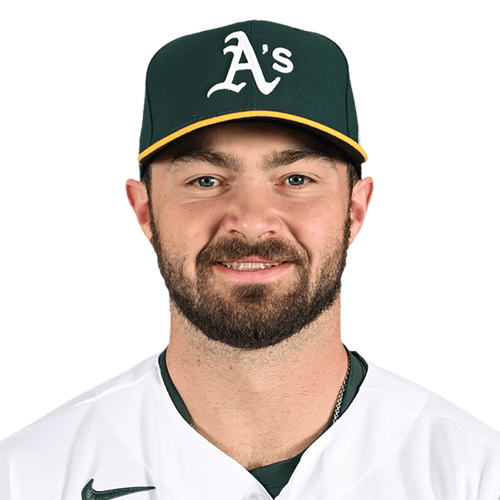
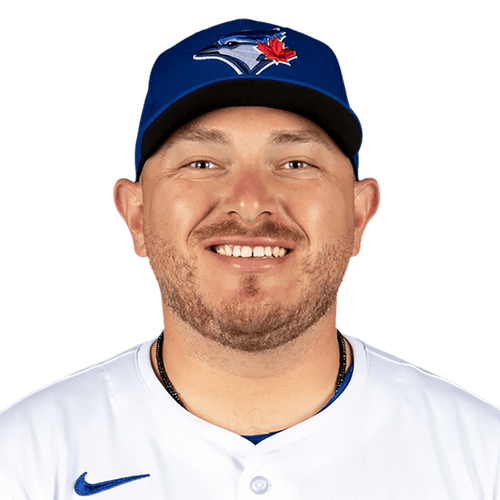
This one is fairly straightforward. Kirk is enduring the least productive season of his major-league career, having missed significant time with a fractured thumb and performing below replacement level when available. Langeliers, meanwhile, has outpaced him across every offensive category and leads all qualified AL catchers in hits, batting average and on-base percentage, while also sharing the position lead in home runs.
The Pick: Langeliers

(Photo by Thearon W. Henderson/Getty Images)
Detroit’s Dillon Dingler is second to A’s slugger Nick Kurtz in RBIs in the American League and leads all qualified AL catchers in slugging and OPS. A battle between Dingler and Langeliers would have been much more fun.
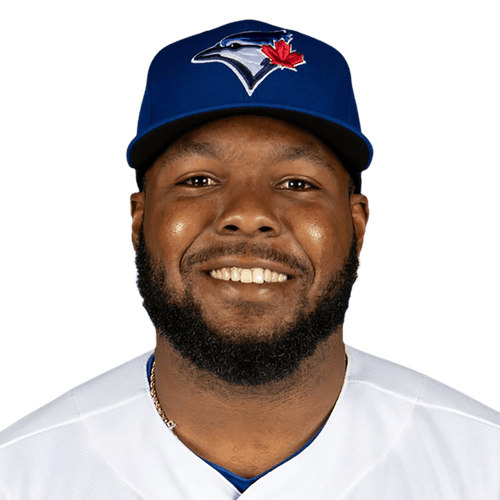
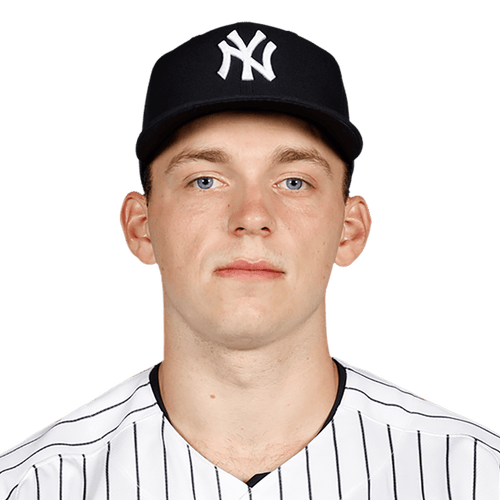
Starting to notice a theme? Guerrero is having the least powerful season of his career and has been a slightly below-league-average hitter to this point. Rice, meanwhile, has been one of the best hitters in the sport. He has the most home runs and the highest slugging percentage of any qualified AL first baseman.
The Pick: Rice
(Photo by Keith Gillett/Icon Sportswire via Getty Images)
Kurtz leads all qualified AL first basemen in hits, RBIs, runs, on-base percentage, OPS and WAR. He has nearly 30 more walks than the next closest first baseman.
Another easy call. Giménez had a strong start to the year, slashing .290/.329/.493 over his first 19 games. Since then, he has the lowest OPS of any qualified AL shortstop. Witt, meanwhile, remains one of the best players in the sport. He leads all AL players in fWAR and ranks first among qualified AL shortstops in batting average, hits, doubles and steals.
The Pick: Witt
(Photo by Ed Zurga/Getty Images)
Who Else Should Be There?
Either Tigers rookie Kevin McGonigle or White Sox slugger Colson Montgomery would have been a better candidate to take on Witt. McGonigle leads AL shortstops in on-base percentage, has the same OPS as Witt and has walked more than he has struck out so far — a tremendous feat for a 21-year-old in his first big-league season. Montgomery, meanwhile, leads all shortstops in home runs and slugging percentage.

Finally, a worthy battle. Okamoto leads all MLB third basemen in RBIs, and his defense has been far superior to Caminero’s. That’s about where his advantages end, though. Caminero leads all MLB third basemen in home runs, on-base percentage, slugging and OPS and has the edge in WAR over Okamoto.
The Pick: Caminero
(Photo by Julio Aguilar/MLB Photos via Getty Images)
Who Else Should Be There?
Miguel Vargas has been worth more fWAR than both Caminero and Okamoto. The White Sox slugger has scored and knocked in more runs than Caminero and has better slash-line numbers across the board than Okamoto.

Don’t have to think too hard here. Alvarez is the AL MVP favorite, leading all qualified MLB players in on-base percentage, slugging and OPS. He is also tied for the American League lead in home runs and ranks second in hits and batting average. Springer, meanwhile, has been a below-league-average hitter.
The Pick: Alvarez
(Photo by Jack Gorman/Getty Images)
The only AL player with more hits and a higher batting average than Alvarez? That would be Tampa Bay’s Yandy Díaz, who leads MLB in the category (.336) and should have joined Alvarez as a finalist, even if he is a clear second.
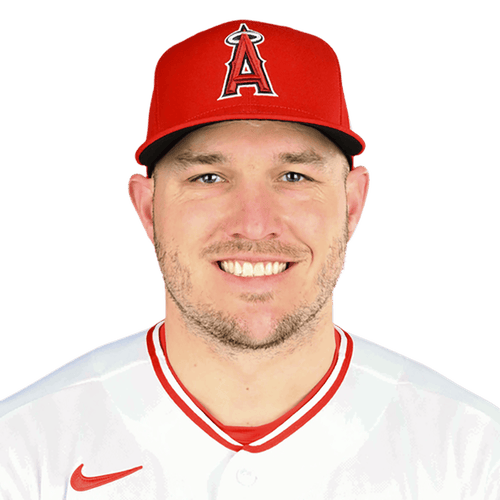
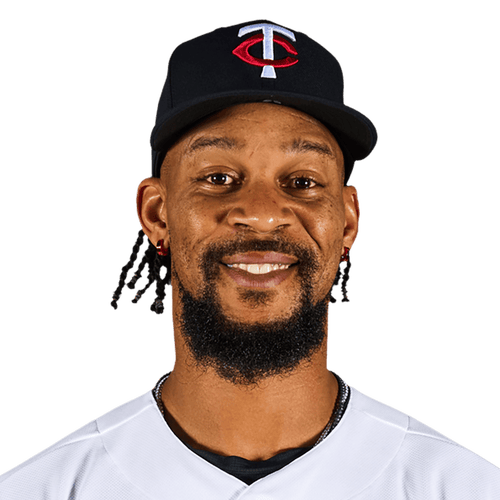

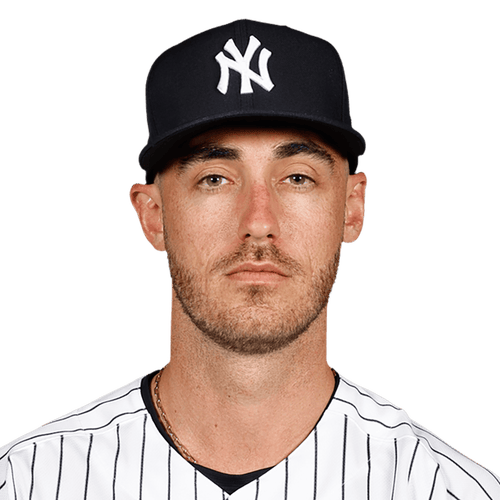
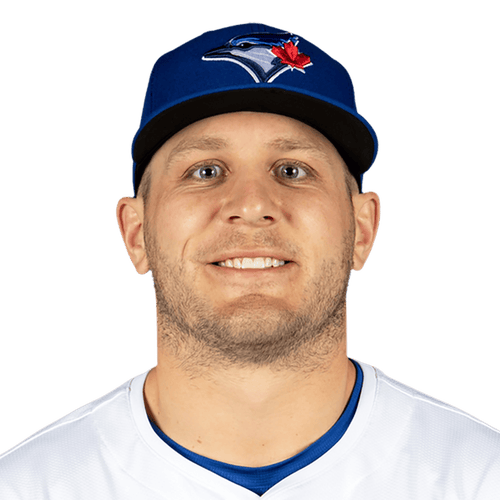
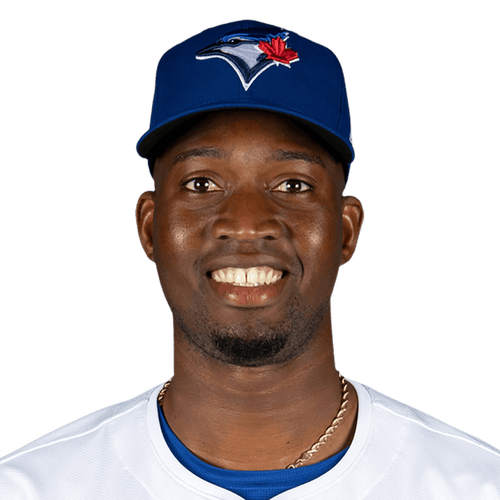
Judge leads all qualified AL outfielders in OPS, despite his numbers being down, but he’s been out with a rib injury since early June and won’t be back in time for the game. Trout, out since mid-June with a hamstring strain, hopes to get back in time for the game. He grew up just outside of Philadelphia and told me how special it would be to start this All-Star Game in particular. Despite being out, Trout still leads all qualified AL outfielders in on-base percentage and ranks second in home runs and runs scored.
Buxton leads all AL outfielders in home runs, runs scored, slugging percentage and fWAR and is an obvious choice to start. Bellinger leads all AL outfielders in RBIs and bWAR and has more walks than strikeouts.
Varsho and Sánchez have both been well-above-league-average hitters but trail significantly behind the other contenders on this list in basically every counting stat.
The Picks: Trout, Buxton, Bellinger
Angels legend Mike Trout hopes to make it back from the injured list in time to make his first All-Star start since 2019. (Photo by John McCoy/Getty Images)
Among qualified AL outfielders, Seattle’s Randy Arozarena is tied for the lead in steals and ranks in the top six in fWAR, batting average, OPS and runs scored. Royals breakout Jac Caglianone, meanwhile, ranks third in slugging and fourth in home runs among AL outfielders and has the highest OPS of any qualified AL hitter in June. Either would make sense as finalists over Varsho and Sánchez.
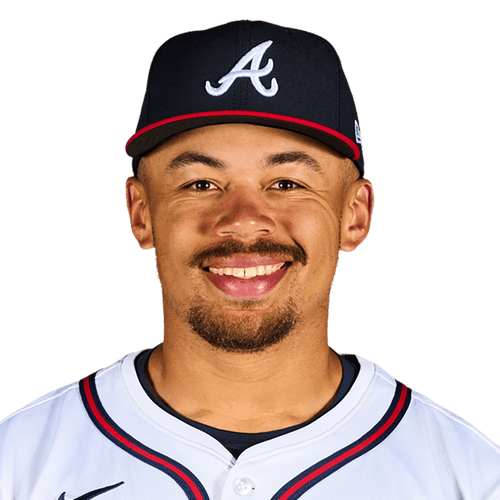
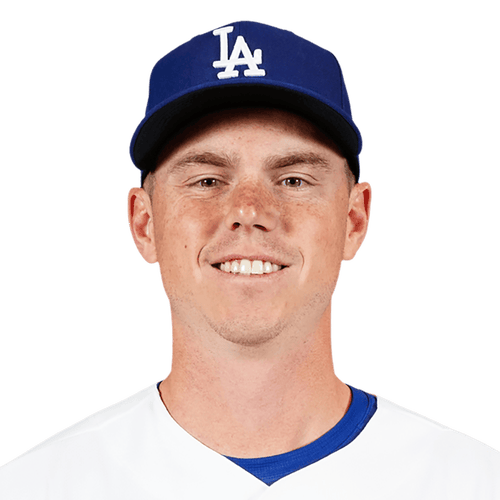
Smith has been on the injured list since early June with a neck issue and is having the worst offensive season of his career. Baldwin, meanwhile, is following up on his breakout Rookie of the Year campaign with an .800 OPS. He has struggled since returning from a month-long absence with an oblique strain, but he has been the more deserving (and now healthier) player of the two options.
The Pick: Baldwin
(Photo by Orlando Ramirez/Getty Images)
Who Else Should Be There?
Colorado’s Hunter Goodman, who trails only Kyle Schwarber for the most home runs in baseball and leads all qualified MLB catchers in OPS, and Milwaukee’s William Contreras might be the two most deserving finalists. Contreras leads all NL catchers in hits, batting average, on-base percentage and fWAR. I expect Goodman to make it in as a reserve. Miami’s Liam Hicks has an argument here as well, though more than half of his starts this year have come at first base and DH.
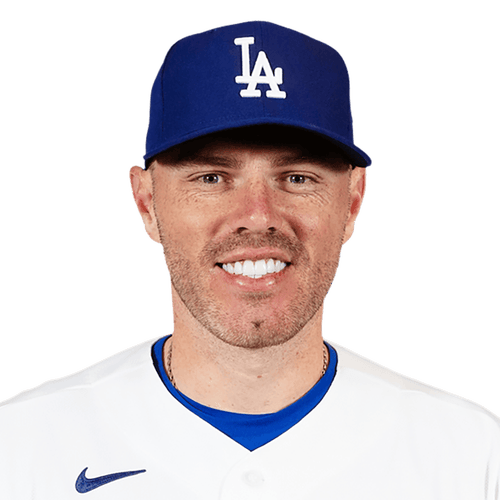
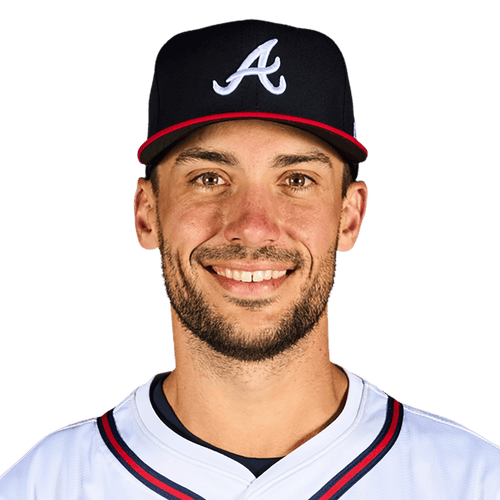
With Freeman heating up in June, this is suddenly a tight battle. Freeman has a slight advantage in hits, leading all NL first basemen in the category, but Olson has the edge in all the other major counting stats, including homers, runs and RBIs. Freeman has a higher batting average and on-base percentage, while Olson has the higher slugging percentage and OPS. They both deserve to be All-Stars.
The Pick: Olson
(Photo by Greg Fiume/Getty Images)
Who Else Should Be There?
It would be interesting to see what would happen in the voting if Bryce Harper were a finalist. He’ll be playing at home and leads all qualified NL first basemen in runs scored, OPS and wRC+.
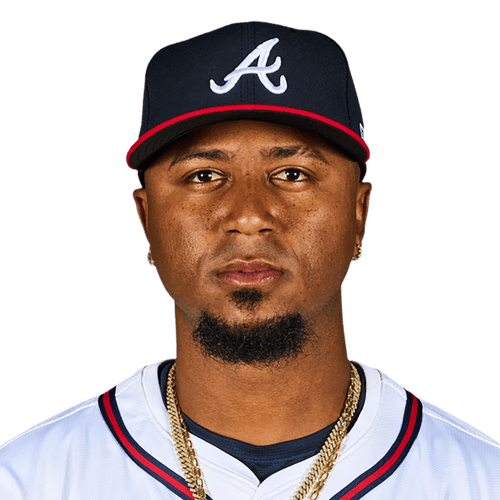
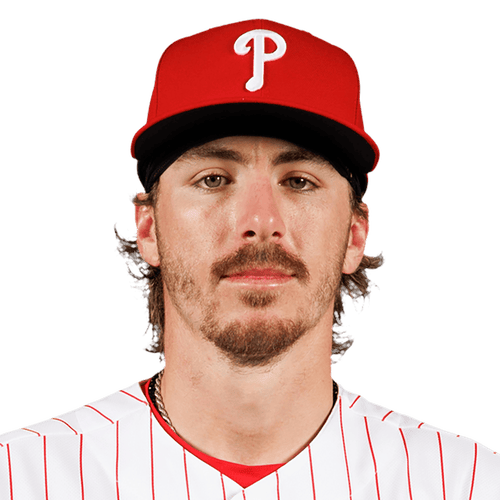

Stott has been a below-league-average hitter this year and ranks outside the top 10 among qualified NL second basemen in batting average, on-base percentage and OPS. Outside of Stott’s baserunning ability — he has 16 stolen bases — Albies has him beat in every major offensive category in a bounce-back season for the 29-year-old Braves second baseman. There are more deserving candidates who should have been finalists, but Albies is the clear choice here.
The Pick: Albies
(Photo by Eakin Howard/Getty Images)
Who Else Should Be There?
This position is absolutely stacked this year, and there were a handful of better options than the two finalists chosen. Brice Turang (.815 OPS), Brandon Lowe (20 homers), JJ Wetherholt (3.4 fWAR), Luis Arraez (.326 AVG) and Xavier Edwards (.377 OBP) all have stronger arguments to start the All-Star Game than Albies or Stott.
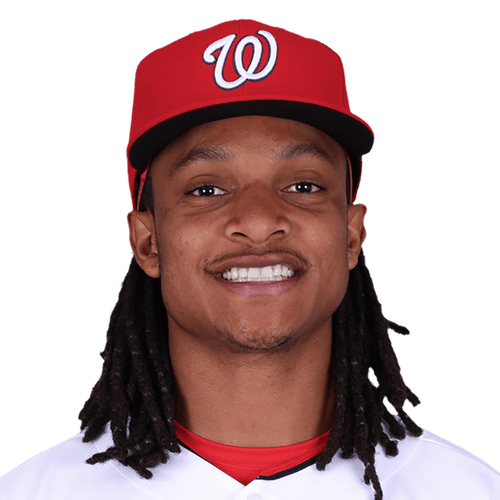
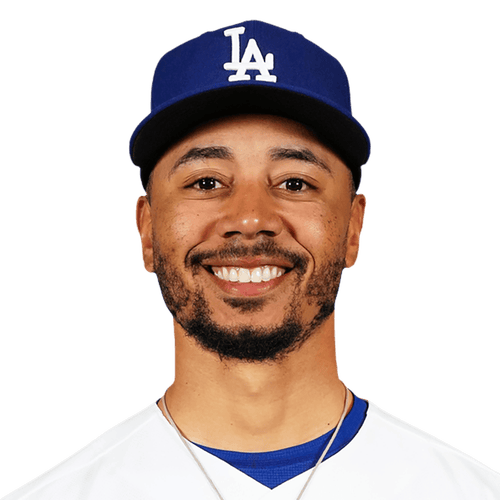
Betts is on fire right now, with an OPS over 1.000 over his last 15 games, and provides more value with his defense. But after a brutal start to the year at the plate, he has a long way to go to come anywhere close to Abrams’ offensive production this season. Abrams has the edge in every offensive category and leads all qualified NL shortstops in homers, slugging and OPS.
The Pick: Abrams
(Photo by G Fiume/Getty Images)
Who Else Should Be There?
Marlins breakout Otto Lopez has the most hits in MLB and the highest batting average in the National League. He also leads all NL shortstops in on-base percentage and WAR. At the very least, he should have a spot on the NL All-Star roster.
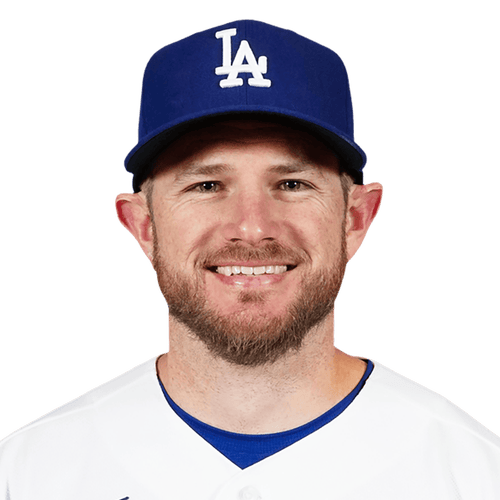

In many cases, the Dodgers’ and Blue Jays’ finalists got through more because of their fan bases than their first-half production. That’s not the case at third base, though, where Muncy has clearly been the best player at his position. At 35, he’s having one of the best all-around seasons of his career. Bohm, meanwhile, has played below replacement level and is having the worst offensive season of his career. It’s not close.
The Pick: Muncy
(Photo by Jayne Kamin-Oncea/Getty Images)
Who Else Should Be There?
San Francisco’s Matt Chapman or Washington’s Curtis Mead would have better arguments as finalists than Bohm, but neither is a more deserving choice than Muncy anyway.
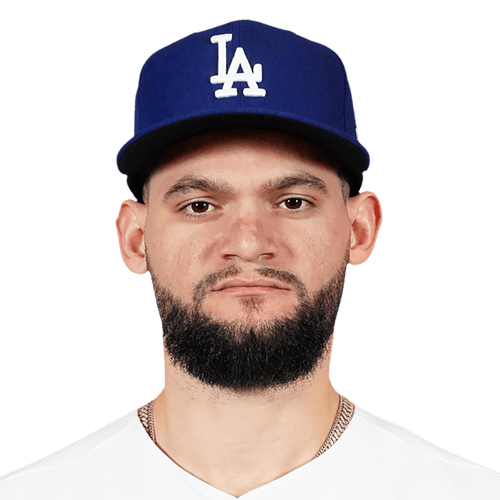
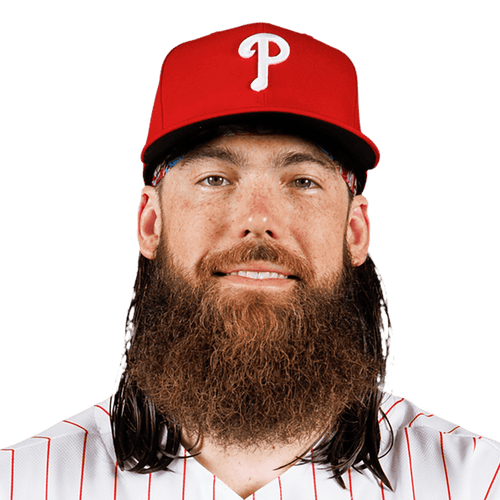
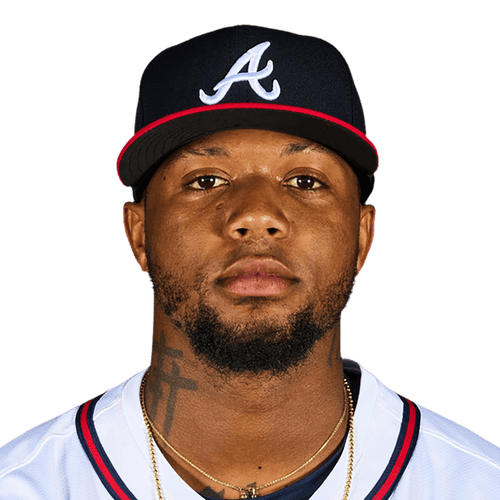
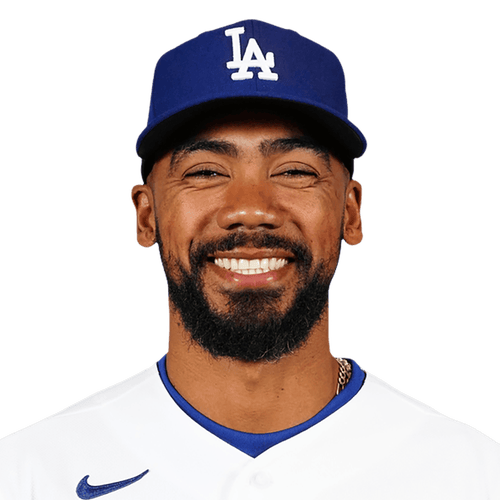
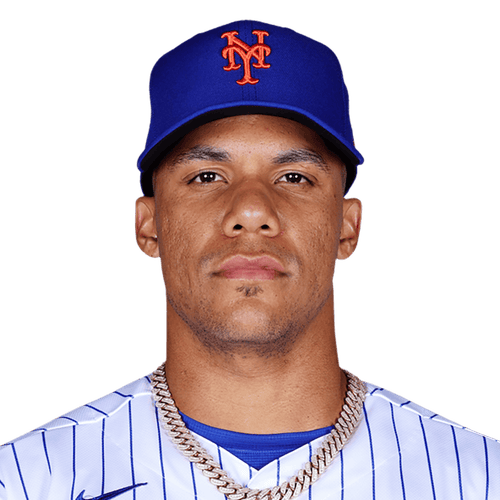
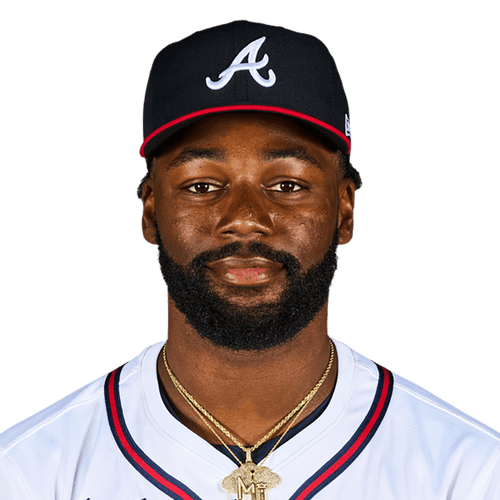
Pages has been one of the best position players all year on the best team in baseball. Though his offense has regressed in June, his defense remains exceptional, and he leads the National League in RBIs.
Marsh leads all qualified NL outfielders in hits and batting average and ranks second in slugging percentage and fourth in OPS. Soto leads all qualified NL outfielders in on-base percentage, slugging and OPS. Harris is enjoying his best season since his 2022 Rookie of the Year campaign, ranking in the top nine among qualified NL outfielders in batting average, slugging and OPS.
Acuña and Hernández have both missed a lot of time with hamstring injuries, and while they have been well-above-average hitters when on the field, they have not performed to the level of their competitors on this list.
The Picks: Pages, Soto, Marsh
Phillies veteran Brandon Marsh could play in his first career All-Star Game at home in Philadelphia. (Photo by Hunter Martin/Getty Images)
Who Else Should Be There?
Corbin Carroll, Jordan Walker and Bryan Reynolds all deserve to be finalists. Arizona’s Carroll leads the majors with 10 triples and ranks second in fWAR and third in slugging percentage, OPS and fWAR among qualified NL outfielders. Cardinals breakout Walker ranks in the top four among NL outfielders in hits, homers, RBIs and slugging. Two-time Pirates All-Star Reynolds has an on-base percentage over .400 and ranks second in runs and third in RBIs among qualified NL outfielders.
 MLB Related Stories
]


