
Share this @internewscast.com
The unexpected closure of El Paso’s airspace for several hours was attributed to the deployment of an anti-drone laser by Customs and Border Protection (CBP), as reported by both The New York Times and the Associated Press. According to sources cited by The Times, CBP officials did not provide the Federal Aviation Administration (FAA) with sufficient time to evaluate the potential risks to commercial flights, resulting in a sudden shutdown of operations.
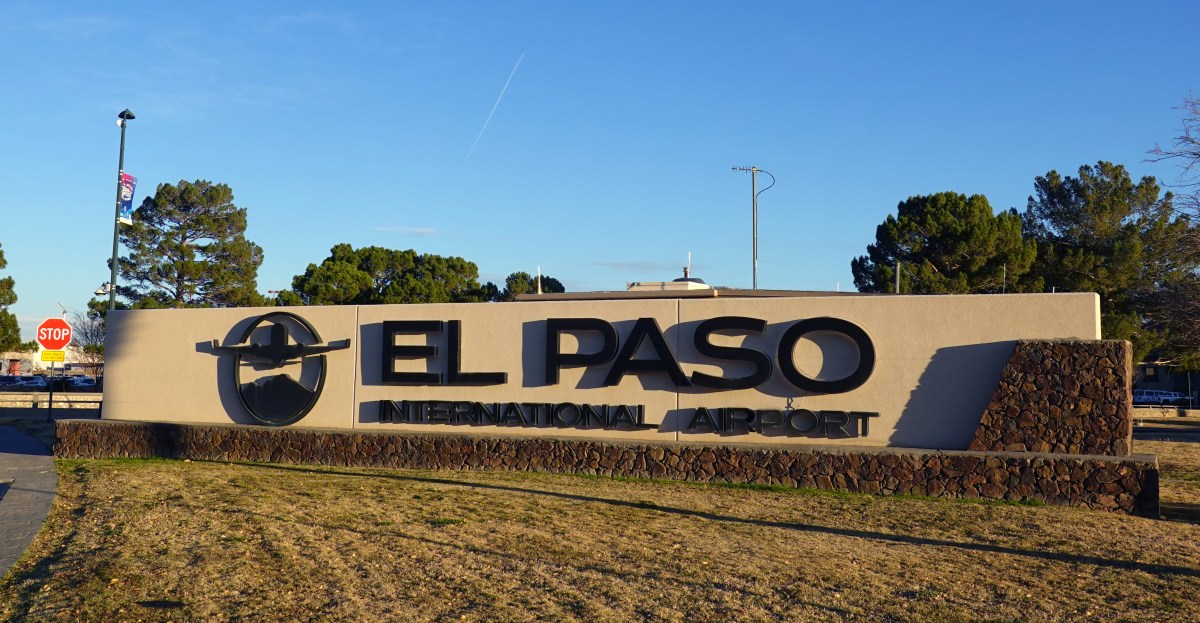
On Wednesday, the FAA announced the airspace closure around El Paso International Airport, citing “special security reasons.” This decision affected commercial flights along with emergency medical transport. Initially, the FAA indicated that the airspace would remain closed for 10 days, but it was reopened after only a few hours. At the time, U.S. Transportation Secretary Sean Duffy stated on X that the “FAA and DOW [Department of War] acted swiftly to address a cartel drone incursion,” asserting that the “threat has been neutralized.”
Further details from The New York Times revealed that CBP officials believed they were targeting a cartel-operated drone, which turned out to be nothing more than a party balloon. Sources informed CBS News that one such balloon was indeed shot down. The Pentagon had supplied the CBP with the anti-drone laser technology, which was deployed in response to assertions from Trump administration officials that Mexican cartels are utilizing drones for drug smuggling and surveillance of border patrol agents. However, these claims have been contested by Mexican President Claudia Sheinbaum.
According to Reuters, the anti-drone technology involved was AeroVironment’s LOCUST, a 20-kilowatt direct-energy weapon specifically designed to neutralize drones. The CBP coordinated with the Pentagon to position the laser near Fort Bliss, a U.S. Army base in El Paso, without coordinating with the FAA, as reported by the Associated Press.
The incident has prompted lawmakers to demand explanations from Trump administration officials regarding the airspace closure. Senator Jack Reed (D-RI) insists that federal agencies must deliver a “full accounting of what occurred in U.S. airspace, whether proper safety protocols were followed, and why public communications appear to have been inconsistent.” Texas Representative Veronica Escobar has criticized the airspace closure as “the result of incompetence at the highest levels of the administration,” and she is actively seeking “all the answers we deserve.”