
Share this @internewscast.com
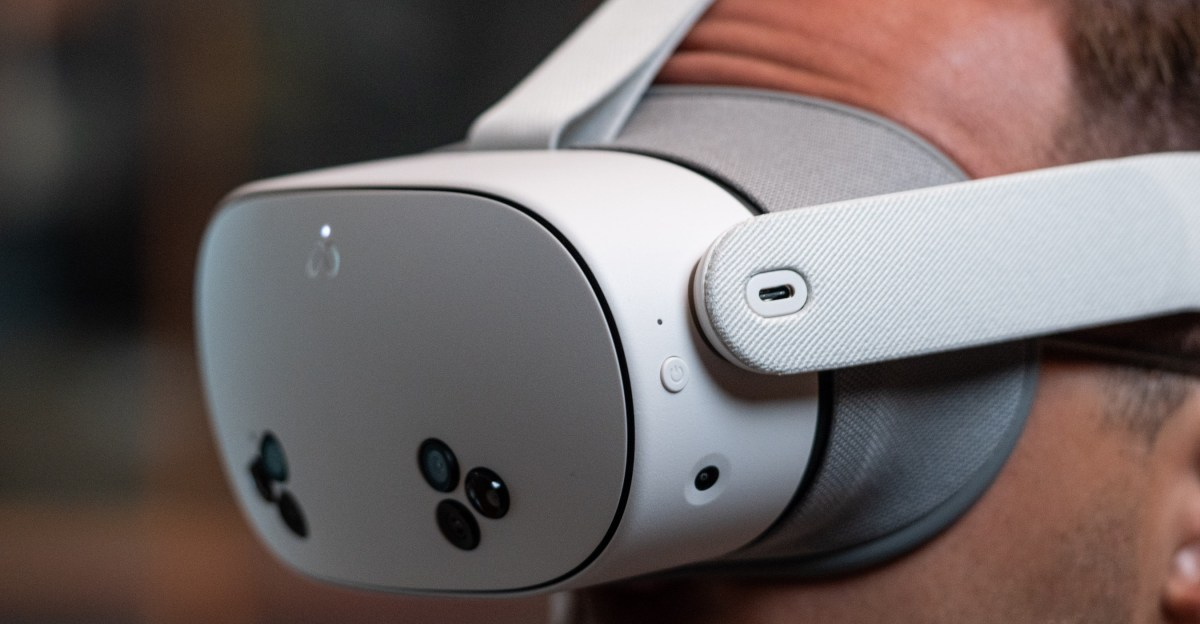
Meta has announced a significant shift in its business strategy, ceasing the sale of its headsets and software as business services. According to an updated help page, Meta will halt sales of its Meta Horizon managed services and commercial versions of Meta Quest by February 20, 2026.
This decision follows recent layoffs that affected about 10 percent of Meta’s Reality Labs division, resulting in over 1,000 job losses. The move signals a strategic pivot by CEO Mark Zuckerberg, who seems to be re-evaluating the company’s definition of the “metaverse.” While there is still interest in mobile platforms and smart glasses, the enthusiasm for virtual reality (VR) appears to be waning.
As for the future of Horizon Worlds, it seems Meta is considering maintaining its investment there, especially since it is one of the few VR experiences also available on mobile devices. Meta’s CTO, Andrew Bosworth, has indicated that the company plans to enhance its Horizon experiences and AI creator tools for mobile, as revealed in a memo obtained by Bloomberg.
According to Bloomberg, although Meta will continue to explore the metaverse, the focus will now be on mobile phones instead of the fully immersive VR headsets originally envisioned. While the concept of the metaverse, as coined by Neal Stephenson in his novel Snow Crash, described a fully immersive shared VR world, Meta’s shift aligns more with platforms like Fortnite, which offer a different take on the metaverse experience without requiring complete immersion.
The abrupt closure of Meta Workrooms is set for February 16th, with all related data slated for deletion. Meta advises users to consider alternatives like Arthur, Microsoft Teams, and Zoom Workplace. However, the Meta Quest Remote Desktop app will remain available for those interested in simulating multiple virtual monitors in their headsets.
Current customers of Meta Horizon managed services will retain access until January 4, 2030, and licenses will become free starting February 16th of this year, reflecting Meta’s evolving strategy towards a more mobile-centric metaverse.