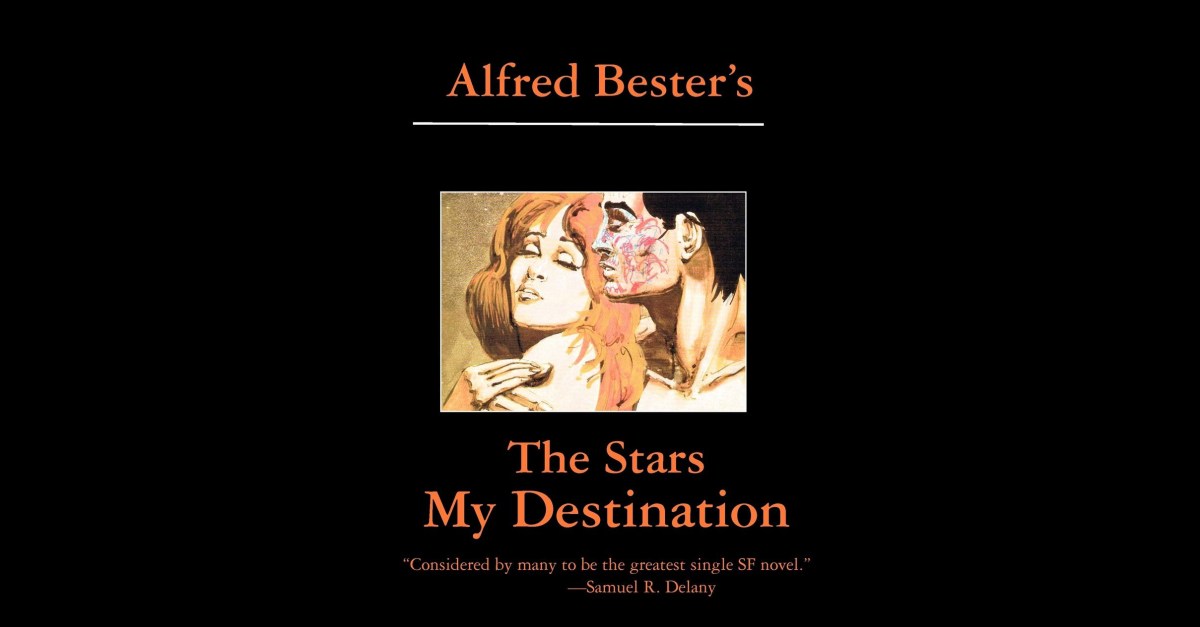

You might think this is an obvious suggestion, but it took me a while to discover Alfred Bester’s 1956 science fiction classic, The Stars My Destination, known as Tiger! Tiger! in the UK. Often considered a precursor to the cyberpunk genre, this novel evokes mixed feelings yet remains a must-read for sci-fi enthusiasts. I recommend hunting down a print version because the e-book format simply doesn’t do justice to the ergodic nature of its dramatic climax.
Summarizing the plot of The Stars My Destination is no easy task. At its heart, it tells the tale of a man seeking revenge on a spaceship — yes, a spaceship — after he is abandoned amid the desolate remains of another vessel. However, this description barely scratches the surface of the novel’s essence. The story unfolds at a dizzying pace across its 250 pages, leaving readers wondering whether they’re experiencing an enthralling rollercoaster or a chaotic whirlwind of events.
The universe Bester creates is imaginative, deeply immersive, and remarkably ahead of its time. He introduces us to a world transformed by ‘jaunting’—a form of teleportation achieved through mental power—which has upended the social and economic landscape. Conflict rages between the inner planets and the outer satellites, while powerful corporate dynasties prioritize profit above all else. The elite flaunt their wealth and superiority by indulging in outdated technologies like telephones, trains, and horse-drawn carriages.
At the center of this narrative is Gully Foyle, a man bent on avenging the Vorga, a ship that ignored his cries for rescue as he drifted amongst the wreckage of the Nomad. Foyle’s quest is riddled with unexpected twists and obstacles, evolving from a simple-minded, directionless man into a figure of almost religious significance, enhanced with cybernetic features.
The novel crescendos with a stunning portrayal of synesthesia, one of its earliest representations in popular literature, where the senses intertwine to allow the tasting of sounds and the seeing of smells.
Despite its innovative aspects, the book isn’t without its shortcomings. Unsurprisingly for a 1956 publication, it grapples awkwardly with issues of race and gender. Early on, a sexual assault is treated dismissively, and a romantic subplot later in the story feels forced and nonsensical.


