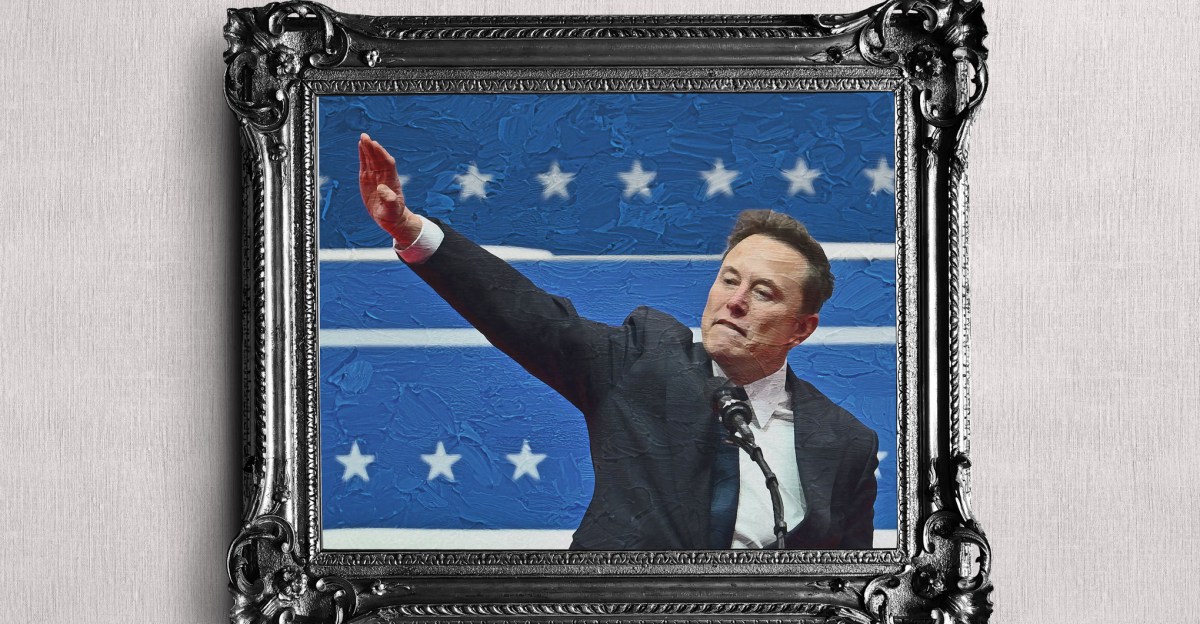
Elon Musk’s eventual SpaceX IPO could cement his status as the wealthiest person in modern history. But alongside that immense fortune is a record of conduct that has drawn intense criticism. Among the sharpest accusations is that decisions tied to Musk a year ago contributed to the deaths of hundreds of thousands of people — consequences critics say were foreseeable, and met with disturbing indifference.
Whatever one thinks of Musk personally, the impact of his political influence has become a matter of global consequence. In the opening months of President Donald Trump’s second term, the Musk-backed Department of Government Efficiency, or DOGE, effectively dismantled the US Agency for International Development, long regarded as a major force in international public health. Musk derided USAID as a “criminal organization” and publicly joked about spending a weekend “feeding USAID into the wood chipper,” a remark that quickly became a flashpoint for outrage.
In the months that followed, public health experts began quantifying the fallout in stark terms. A mortality tracker co-created by Boston University professor Brooke Nichols estimated that the Trump administration’s early-2025 cuts to USAID could be linked to more than 780,000 deaths, many of them children and infants, from diseases including malaria, tuberculosis, and HIV. While the exact toll remains uncertain, specialists studying the crisis broadly agree the number is likely in the hundreds of thousands. Separate research published in Nature projected that USAID cuts could lead to 163,500 child deaths each year, while an analysis in The Lancet warned the long-term toll could reach into the millions. Throughout, Musk gave little indication that the humanitarian consequences weighed on him.
Musk showed no sign of caring
That perception hardened during a televised White House cabinet meeting in 2025, when Musk, wearing a black MAGA hat signed by President Trump, laughed about “accidentally” canceling Ebola prevention programs. He said the move had been an error and would be corrected. But USAID whistleblower Nicholas Enrich later told Congress that no such fix ever materialized. More than a year after Musk’s remarks, Africa is confronting what could become its worst Ebola outbreak on record. Enrich also said the damage extended far beyond Ebola, noting that HIV transmission rates among newborns had been nearing zero before the cuts disrupted those gains.
Critics argue that the rollback of successful global health programs also fits into a broader and more troubling pattern in Musk’s public rhetoric. Though he has frequently spoken about the importance of higher birth rates, opponents say that position is hard to separate from his repeated amplification of racist and extremist themes. They point to his promotion of “white genocide” claims in South Africa, his repeated engagement with white nationalist talking points, and his more recent comments tied to anti-immigrant unrest in the UK. For those critics, the destruction of one of the world’s most effective health aid systems cannot be viewed in isolation from that larger ideological backdrop.
The Trump administration is packed with extremists, but even some of those folks looked at Musk like, “Now this guy is really wild.” Trump’s chief of staff, Susie Wiles, told Vanity Fair that Musk was a “complete solo actor.” She says he “probably knew” that what he was doing “would be horrifying to others,” but did it anyway. (Unfortunately, Wiles also said she was only “initially aghast” at his conduct, which pretty much sums up the Republican response to the party’s own chaos.)
As he addressed SpaceX employees on IPO day, Musk said, “There are always problems on Earth. There are always things we wish to be better, that we want to solve here on Earth, and we should solve them. But there also have to be things that get you excited about the future.” Sounds good, until you consider one of the recent projects Musk got excited about was killing immunization efforts that save the lives of children from deadly diseases. In fact, “there are always problems on Earth” is the kind of thing you say when you actually don’t care about a lot of those problems.
Guess what, Elon? There are plenty of things about the future that people get excited about when they wake up in the morning. You fired a bunch of them for no good reason, and a lot of bad ones. The stories from fired USAID workers are heartbreaking, like so many similar stories from so many people in the US and abroad who had dedicated their lives to missions that range from protecting the dignity and health of human beings to preserving our natural lands. I’ve met plenty of these folks personally, and unlike the man who fired them, they didn’t enter public service for private benefit.
Musk hijacked the government to destroy these missions
Musk hijacked the government to destroy these missions and dehumanize these people in service of the total lie that it would make the government more efficient. Of course, there’s a big difference between “efficiency” and incompetence. An agency isn’t more efficient if it doesn’t exist; it’s simply been murdered. A fire department with no firefighters looks good on a balance sheet if you can ignore that the city is ablaze.
The intentional destruction of the ability to save lives and reduce suffering is psychopathic behavior — the kind that would prevent any rational, kind person from giving power to anyone capable of it. But here we are. And while there has always been a class of mega-rich menaces, including horrible racists in power who are indifferent to suffering, we seem to be crossing the Rubicon with Musk. Few people in history, if ever, will have accumulated the same combination of wealth, media power, and government influence.
After his reign of terror at DOGE ignobly ended in a fizzle, Musk walked away from government with the same kind of careless indifference that marked his tenure. The math is fuzzy, but it looks like DOGE barely saved the government any money. Even the libertarian Cato Institute says DOGE didn’t reduce spending, only federal employment, by 9 percent in around 10 months. But when you look beyond outlays and consider the fact the operation looted a massive stockpile of expertise and capability from our society, it’s easy to see how Musk’s project is one of the most costly ever.
Musk hasn’t fully moved on from government; he still needs those federal contracts for SpaceX, now more than ever. He might be wearing a different hat now, but little else has changed. X is still a firehose of misery with Musk at the reins, and his AI project is a nightmare of misinformation and AI-generated child sexual abuse imagery. This man shouldn’t just be kept from having all the world’s money; he probably shouldn’t even be let within 500 feet of a school.
Elon Musk proved long ago that he’s the wrong man to save the world. It’s even worse now. The world needs saving from him.


