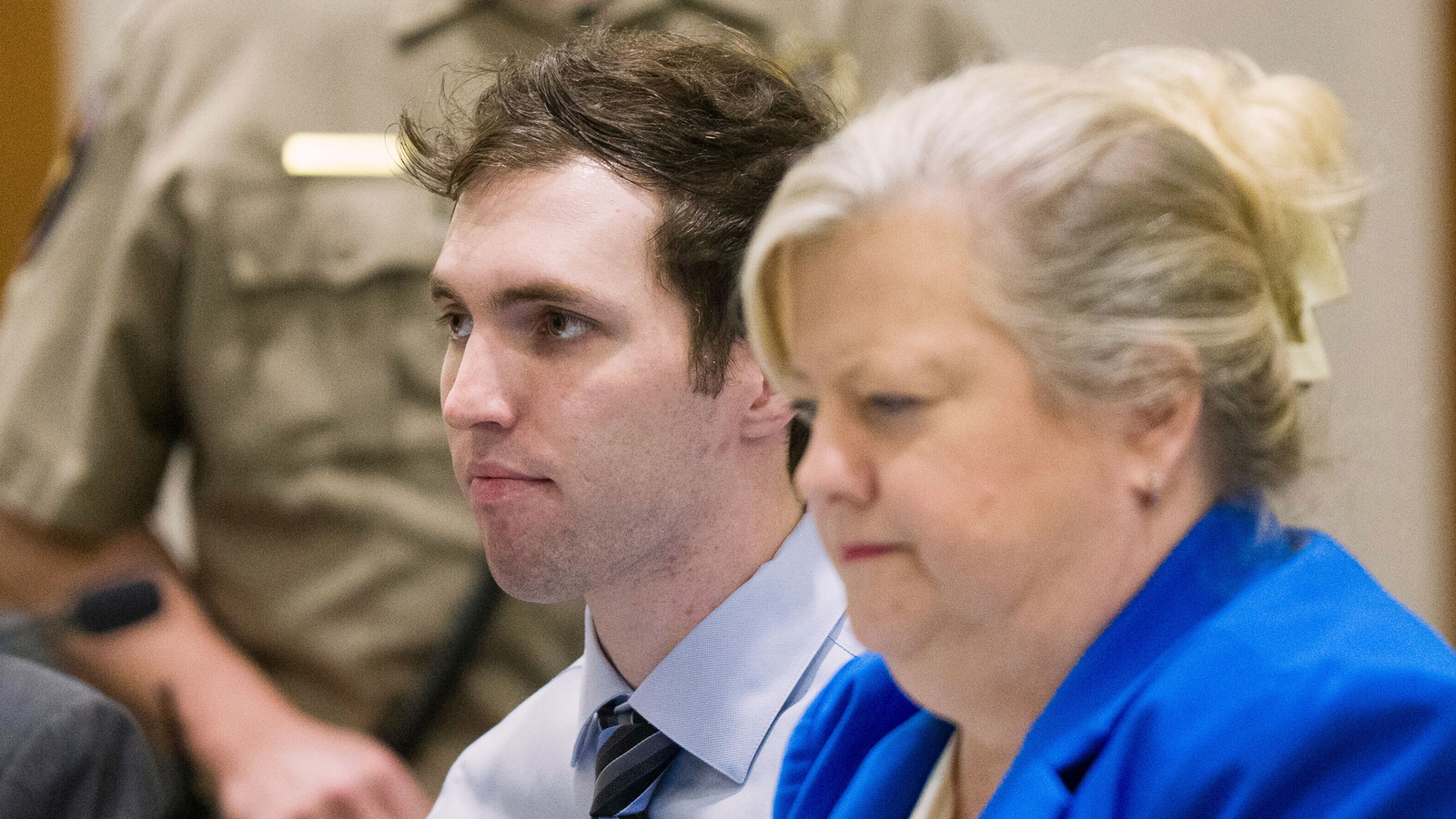

A pivotal decision awaits in Salt Lake City, where a Utah judge will determine on Friday whether media outlets can continue to film, photograph, and livestream the high-profile murder trial of the man accused of killing conservative activist Charlie Kirk.
Attorneys for Tyler Robinson, the defendant, contend that the presence of cameras in the courtroom could prejudice potential jurors. They argue that live broadcasts may contribute to biased media portrayals and online narratives, depicting Robinson unfavorably based on his courtroom demeanor and appearance. Such coverage, they claim, jeopardizes Robinson’s right to a fair trial.
On the other side, media organizations, prosecutors, and Erika Kirk, the widow of Charlie Kirk, advocate for the continued presence of cameras. They assert that transparency is crucial to dispel the conspiracy theories that have swirled since Kirk’s assassination on September 10. The attack occurred as he spoke to thousands at Utah Valley University in Orem, where he was fatally shot in the neck.
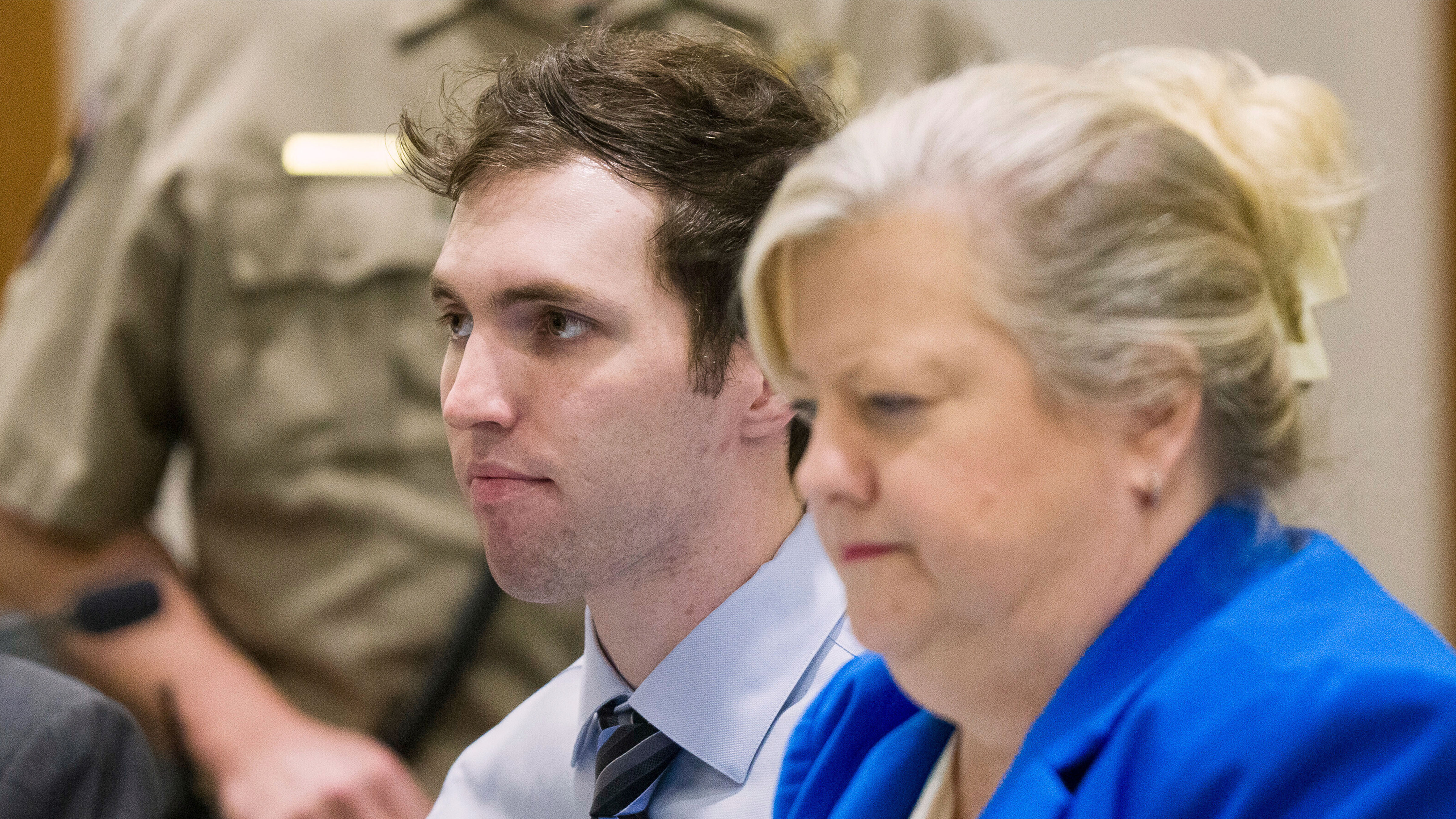
The presiding judge, State District Judge Tony Graf, has already imposed stricter rules on camera usage after media outlets violated a courtroom order by broadcasting images of Robinson’s shackles and close-ups of his interactions with his attorneys. Cameras have since been moved to the back of the courtroom, making it more challenging to capture images of Robinson.
Despite these restrictions, Judge Graf has also supported media rights in other aspects of the case. He denied Robinson’s attorneys’ efforts to block the release of transcripts from confidential hearings, emphasizing that transparency is a foundational principle of the judicial system.
Charlie Kirk, aged 31 at his death, was a significant figure in American politics. He founded Turning Point USA, a conservative youth movement credited with playing a key role in President Donald Trump’s re-election campaign. The prosecution plans to seek the death penalty if Robinson is convicted, with charges including aggravated murder. Robinson has yet to enter a plea.
Accusations Robinson targeted Kirk over his political views have amplified interest in the case, which in turn has stoked the long-running dispute over cameras inside major trials.
Photos and videos have exposed the inner workings of some of America’s most spectacular criminal cases, from the Lindbergh baby kidnapping trial to O.J. Simpson’s double murder trial. They’ve also created tensions between transparency advocates and defense attorneys eager to shield clients from bad publicity.
The stakes are especially high in death penalty cases such as Robinson’s, where a jury can consider the defendant’s character as part of its determination. Footage of Robinson apparently smirking while talking to his attorneys during a December hearing elicited comments on Fox News that he was unremorseful and treated Kirk “like a trophy.”
The Constitution gives greater weight to a defendant’s rights to a fair trial than the public’s right to know what’s happening in a case. Nevertheless, cameras have become much more common in state courts in recent years.
They are generally barred in federal criminal trials. Under a New York state law, Trump’s trial and 2024 conviction in a hush money case was famously closed to cameras while court was in session. Media organizations used sketch artists to capture the scene.
Judges typically retain broad discretion over which parts of a case can be broadcast and who can be filmed or photographed.
Graf also on Friday is set to rule on a defense request to delay Robinson’s preliminary hearing, which is now set for May. Prosecutors during that hearing must show they have enough evidence to proceed to trial.
Authorities have said DNA consistent with Robinson’s was found on the trigger of the rifle, the fired cartridge casing, two unfired cartridges and a towel used to wrap the rifle. But Robinson’s attorneys say the hearing shouldn’t take place until federal law enforcement agencies turn over more details about their DNA analysis.
A delay could stall the case months.
Prosecutors say they have sufficient proof beyond DNA to convict Robinson. That includes surveillance video and a handwritten note he allegedly left for his romantic partner confessing to the crime.
Copyright © 2026 by The Associated Press. All Rights Reserved.