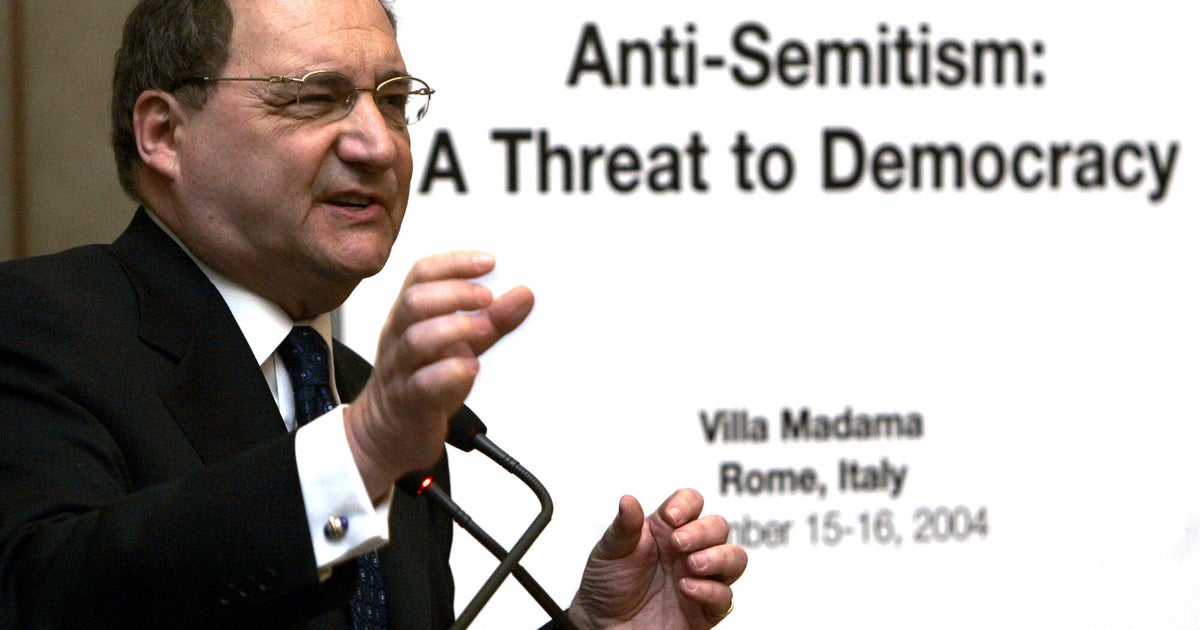

Abraham H. Foxman, a prominent advocate for the Jewish community in America and the former national director of the Anti-Defamation League (ADL) for almost 30 years, has passed away, as confirmed by the ADL on Sunday. He was 86 years old.
In a statement, the ADL expressed its profound sorrow over the loss of their esteemed former national director, though they did not disclose specific details regarding the time or location of Foxman’s death.
During his 28-year tenure leading the ADL until his retirement in 2015, Foxman advised presidents, engaged with diplomats, and interacted with influential figures from various sectors, including business and entertainment. He was known for challenging notable individuals on antisemitic statements or portrayals, often accepting their apologies on behalf of the Jewish community.
Jonathan Greenblatt, the current director of the ADL, remarked, “Abe’s influence reached popes, presidents, and prime ministers. His voice resonated globally with moral authority and clarity, and he was unwavering in his commitment to a world without hate.”
Born in 1940 to Polish Jewish parents in what is now Belarus, Foxman survived the Holocaust after being baptized as a Catholic by a nanny to hide his Jewish identity. After the war, he reunited with his parents, and the family immigrated to New York.
Foxman pursued a legal education before joining the ADL as a staff attorney. His entire 50-year career was dedicated to the organization, where he emerged as a prominent voice against antisemitism and discrimination. In 1987, he was appointed the national director of the ADL.
ANDREW MEDICHINI / AP
After earning a law degree, Foxman joined the ADL as a staff lawyer. He spent his entire 50-year career with the group, becoming a leading national voice against antisemitism and hate. He was named the organization’s national director in 1987.
The ADL was founded in 1913 with a mandate to fight antisemitism and all bias. But the emphasis differed over time depending on who was in charge and the issues of the day.
Foxman faced criticism that the ADL put too many resources into non-Jewish issues. Under him, the organization built a formidable research arm into white supremacists and other extremists, advocated for immigrant and gay rights, conducted diversity training for law enforcement and developed programs for schools on issues ranging from the Holocaust to the 1964 Civil Rights Act to the impact of bullying.
Foxman long endured objections that he overreacted to perceived slights against the Jews and was too quick to condemn. Yet he was also chided for too easily forgiving and embracing those who repented their anti-Jewish remarks.
Foxman said it was essential to accept apologies, especially from those who can serve as prominent allies for Jews.
“If you don’t let them change, then you become the bigot.”