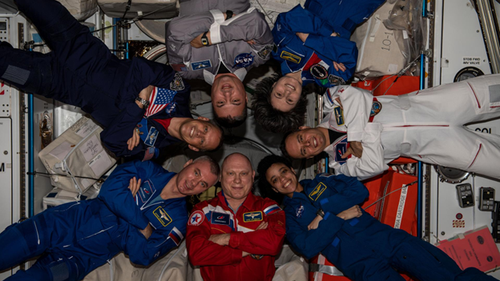

Prospective missions to Mars could span up to three years, requiring astronauts to cope with extended confinement, restricted living quarters, and, to say the least, substantial mutual dependence.
In these circumstances, one might assume that a certain type of individual is needed – someone akin to Rambo or Sarah Connor, characterized by diligence, determination, and a mission-oriented mindset.
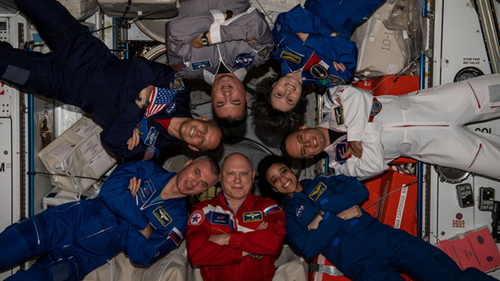
That’s not entirely wrong – but it’s not the whole story.
In fact, according to new research, putting together a whole team of people who think and act exactly the same way is a swift recipe for disaster.
According to Iser Pena and Hao Chen from the Stevens University of Technology in the US, diverse personalities are the cornerstone of successful space expeditions.
“The lack of personal space and privacy heightens stress, which may impact team unity and performance,” the authors mentioned in a release.
“Grasping and enhancing team interactions in such extreme settings is vital, as effective teamwork, stress coping, and psychological support systems are paramount for long-term mission success.”
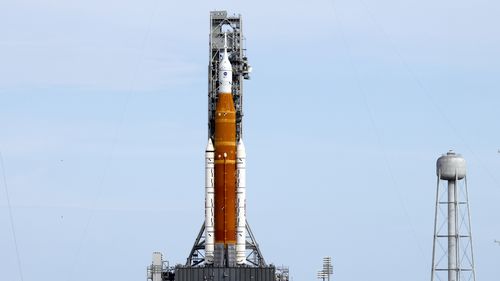
Through employing advanced methodologies alongside psychological insights, the researchers evaluated how five personality traits – openness, conscientiousness, neuroticism, extraversion, and agreeableness – aligned with various mission roles like engineer, medic, or pilot.
Diverse teams performed generally better than teams composed of similar personality types, they found.
They showed lower stress levels, improved performance, cohesion, and health.
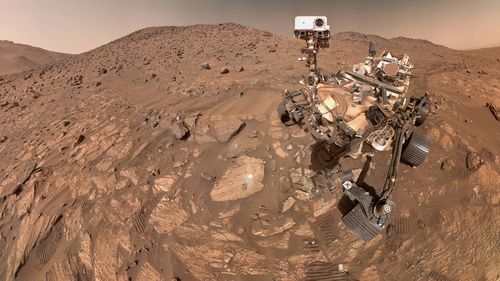
This suggested that a broader mix of coping styles and interpersonal dynamics might help teams maintain stability over time.
“For the first time, we’ve combined psychological insights with a computer simulation to model a 500-day mission to Mars,” the authors said.
“This new approach lets us explore how different astronaut personalities and team roles might affect a crew’s stress and performance, and it gives us a glimpse of the human challenges astronauts could face on these long journeys into deep space.”


